Aoraki’s glaciers make practice consequential
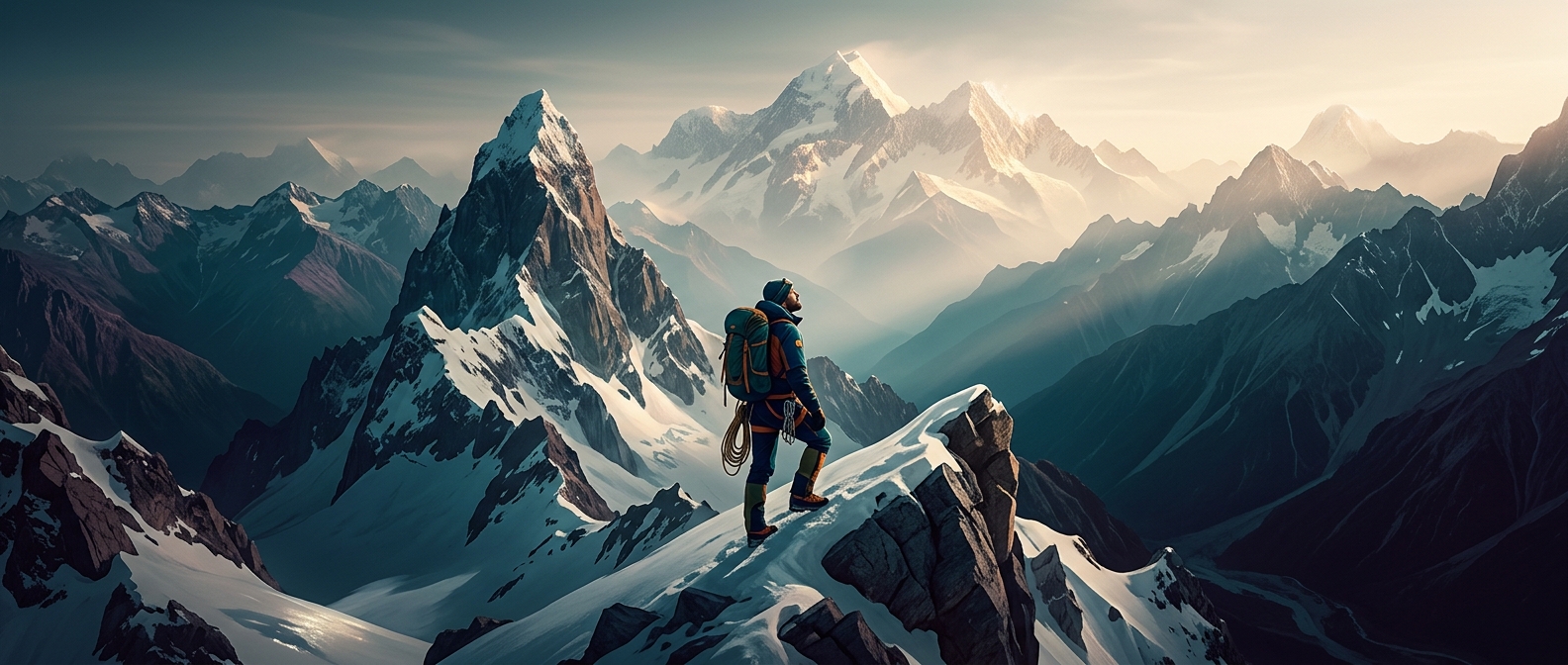
Aoraki/Mount Cook is a useful proving ground because climbing there involves more than gaining height. On glaciated terrain, climbers must move across snow and ice while watching for crevasses—deep cracks that can be hidden by a thin snow bridge. Rope teams need to travel in ways that help protect a climber who breaks through, and they must be prepared to manage a rescue.
The mountain’s steep, exposed slopes add another layer of judgment. Snow and ice conditions can change, so climbers must assess the route as they go rather than rely on a plan made from a distance. The training is partly technical and partly about making sound decisions when conditions shift.
Skills that carry beyond New Zealand
Those lessons transfer to larger alpine expeditions: moving safely on glaciers, handling ropes and climbing equipment, judging hazards, and knowing when to turn back. Aoraki cannot reproduce every challenge of a much higher or more remote mountain, but it lets climbers test their systems in serious terrain before taking them farther afield.
That makes preparation tangible. A team can discover on a demanding climb whether its members communicate clearly and whether its procedures work under pressure—before those weaknesses are tested on a longer expedition.