Why the Aisle Feels So Tight
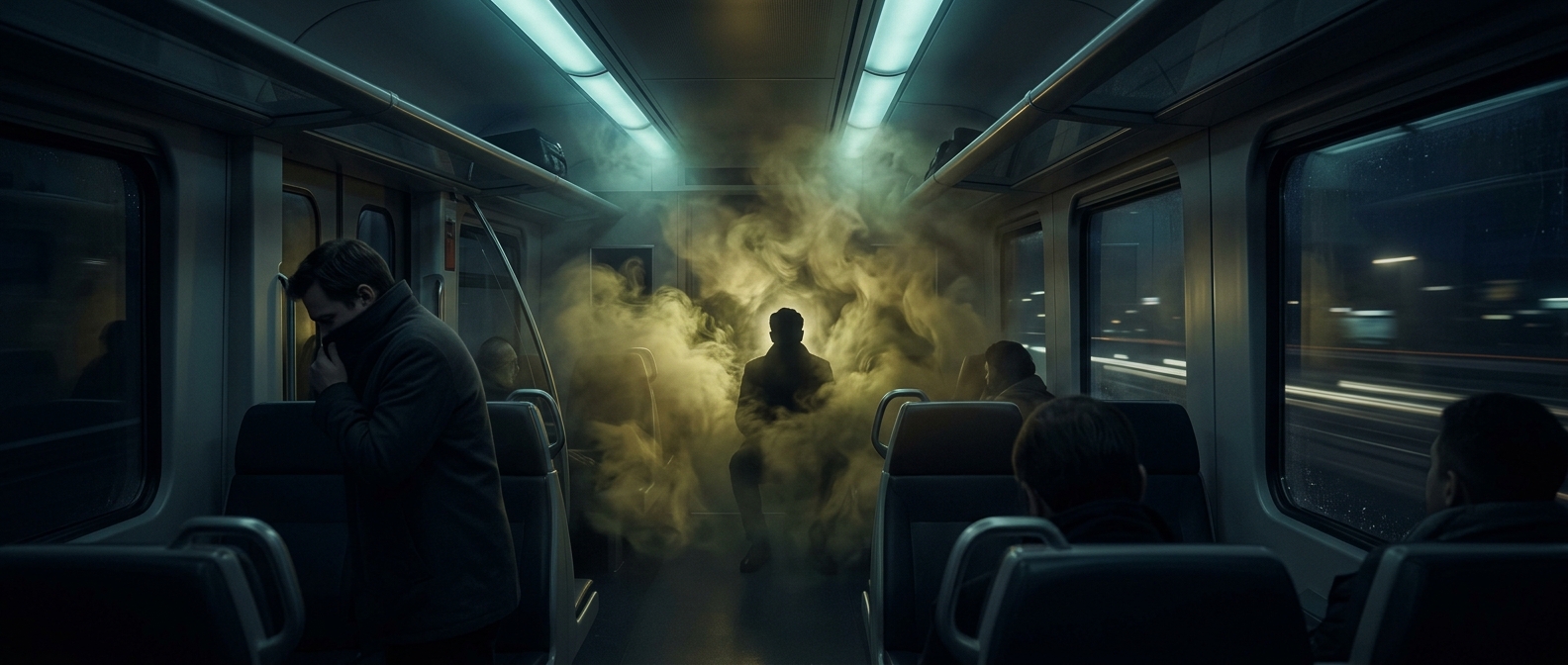
A train carriage has to fit seats, an aisle, luggage space, and the equipment that keeps it running inside a fixed-width shell. Every inch given to one purpose is taken from another. A wider aisle makes it easier to pass, but can mean fewer seats or less room elsewhere; seats placed close together help use the carriage’s length efficiently, but leave less space for knees and bags.
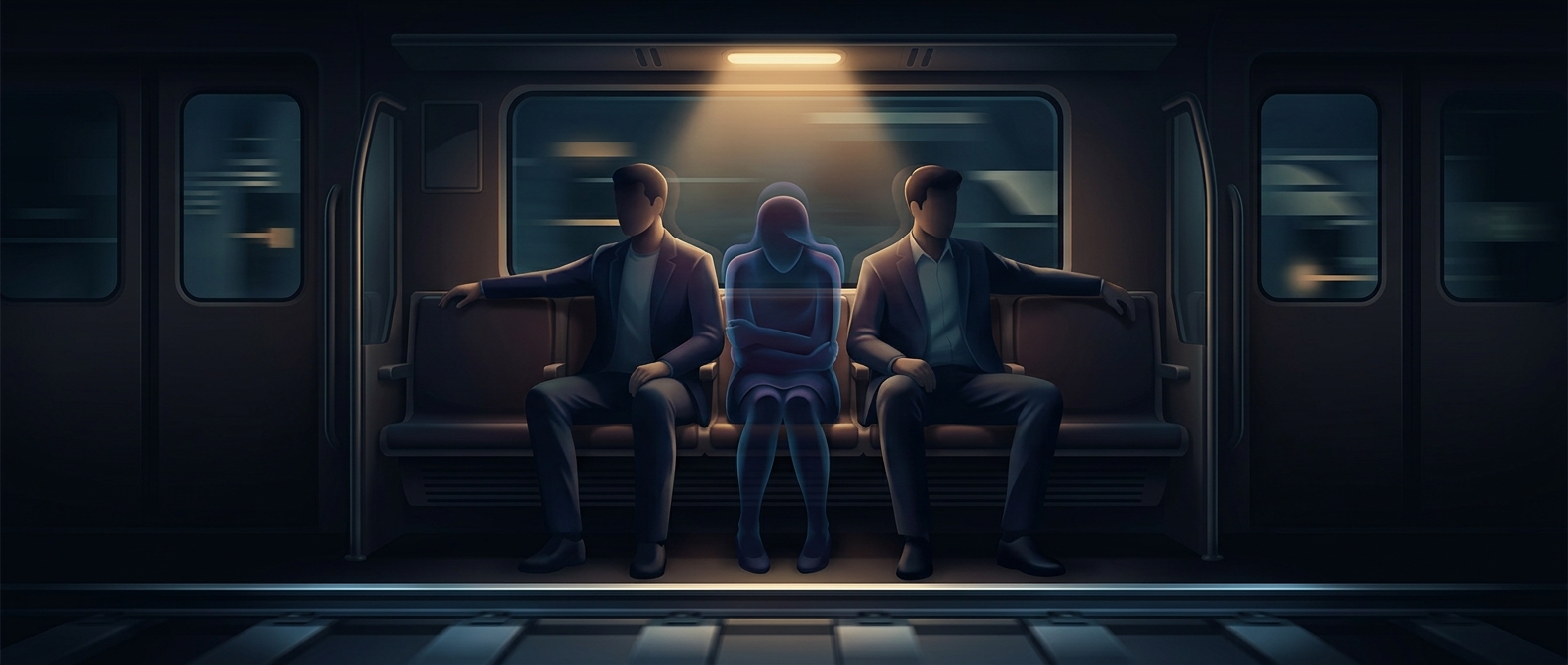
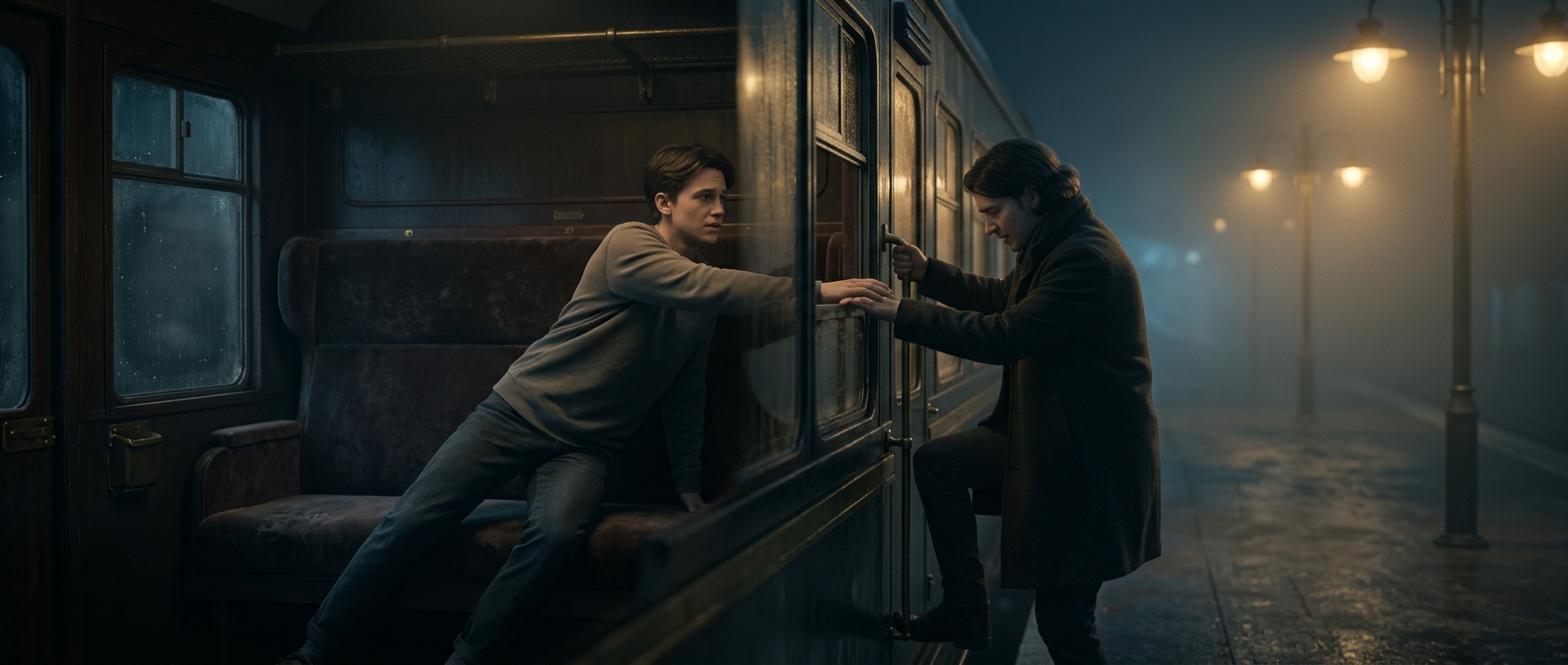
The result is a small geometric puzzle when someone wants to leave a window seat. The person in the aisle may need to stand or turn sideways, while both passengers negotiate knees, armrests, and anything stored at their feet. Each object narrows the route, even though none was meant to block it.
The Tradeoff Is Built Into the Layout
Designers are balancing passenger capacity with movement through the carriage. A generous aisle helps people reach seats and move with luggage, but the space must also accommodate the seated rows. On a busy train, a layout that works when people are settled can become awkward during the moments when several passengers are boarding, changing seats, or getting off.
That is why leaving a seat can feel less like simply standing up and more like coordinating a sequence: clear the knees, find room to turn, avoid the armrest, then step into the aisle. The carriage’s tightest bottleneck may last only a few seconds, but it is where the tradeoff between fitting people in and letting them move becomes most visible.