How a Seat Can Shape a Meal
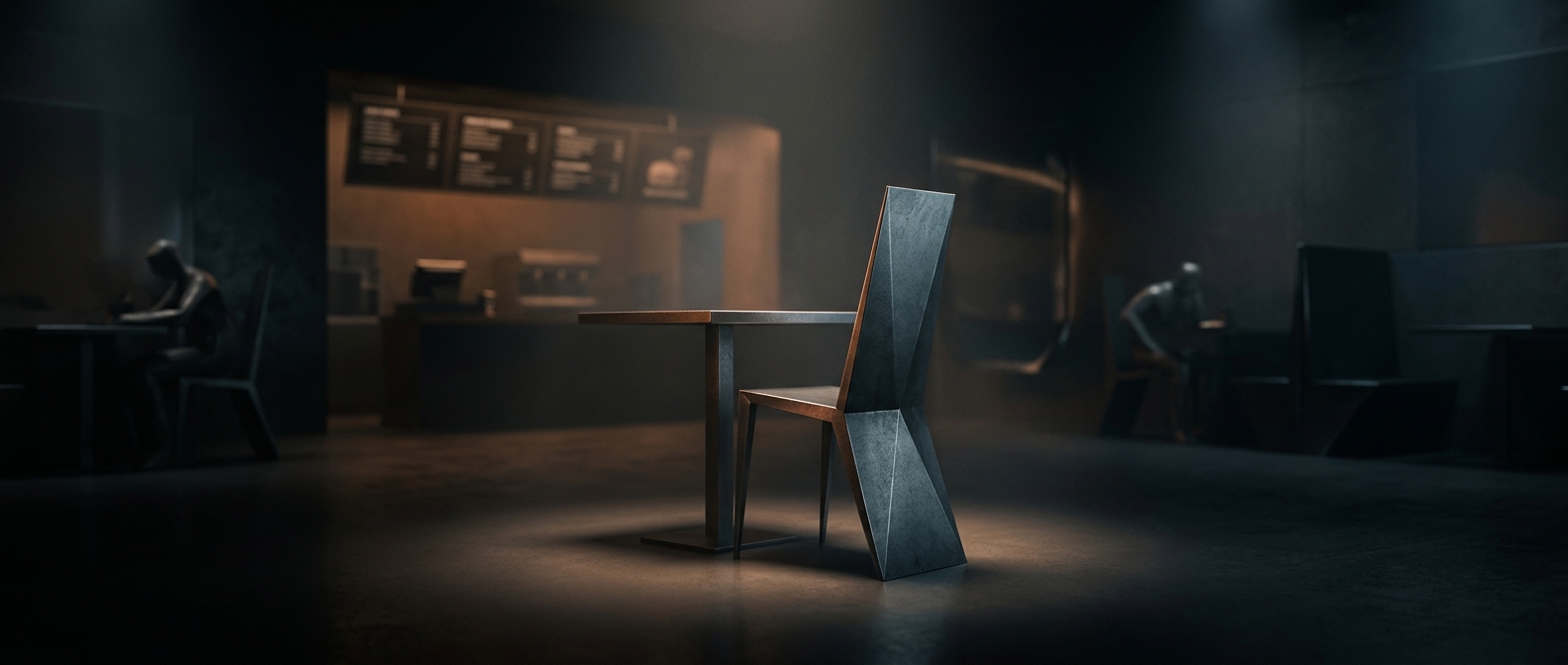
A hard chair does not force anyone to leave, but it can make staying put less appealing. Comfort is part of the environment that influences how long a diner lingers: a cushioned seat invites settling in, while a rigid one keeps the body more aware of pressure and posture. Bright, energetic lighting can add to the sense that the room is for a quick stop rather than a long, relaxed visit.
These are subtle nudges, not a timer. People still stay to talk, wait for an order, or finish a meal at their own pace. But across many visits, even a modest change in how long customers occupy seats can affect how quickly a restaurant can serve its next group.
Why Turnover Matters
Restaurants have a limited number of tables. If one group leaves sooner, staff can clear the table and seat another without adding any floor space. That is table turnover: serving more parties over time by reducing the interval between one group’s meal and the next group’s arrival.
A restaurant could instead add tables, but that requires more room and may crowd the paths customers and workers use. Encouraging quicker visits can be a simpler way to increase capacity within the same footprint—especially in a business built around fast service.
The Tradeoff in the Room
The design works through the whole experience, not one uncomfortable chair. Seating, lighting, noise, menu, and service can all signal whether the room is meant for lingering or moving along. A less inviting place to sit may help keep tables available, but it can also make the meal less pleasant.
That small tension is the point: in a busy restaurant, comfort is not only a matter of hospitality. It can influence how many people the room serves in a day, one cleared table at a time.