How a snail waits out a dry spell
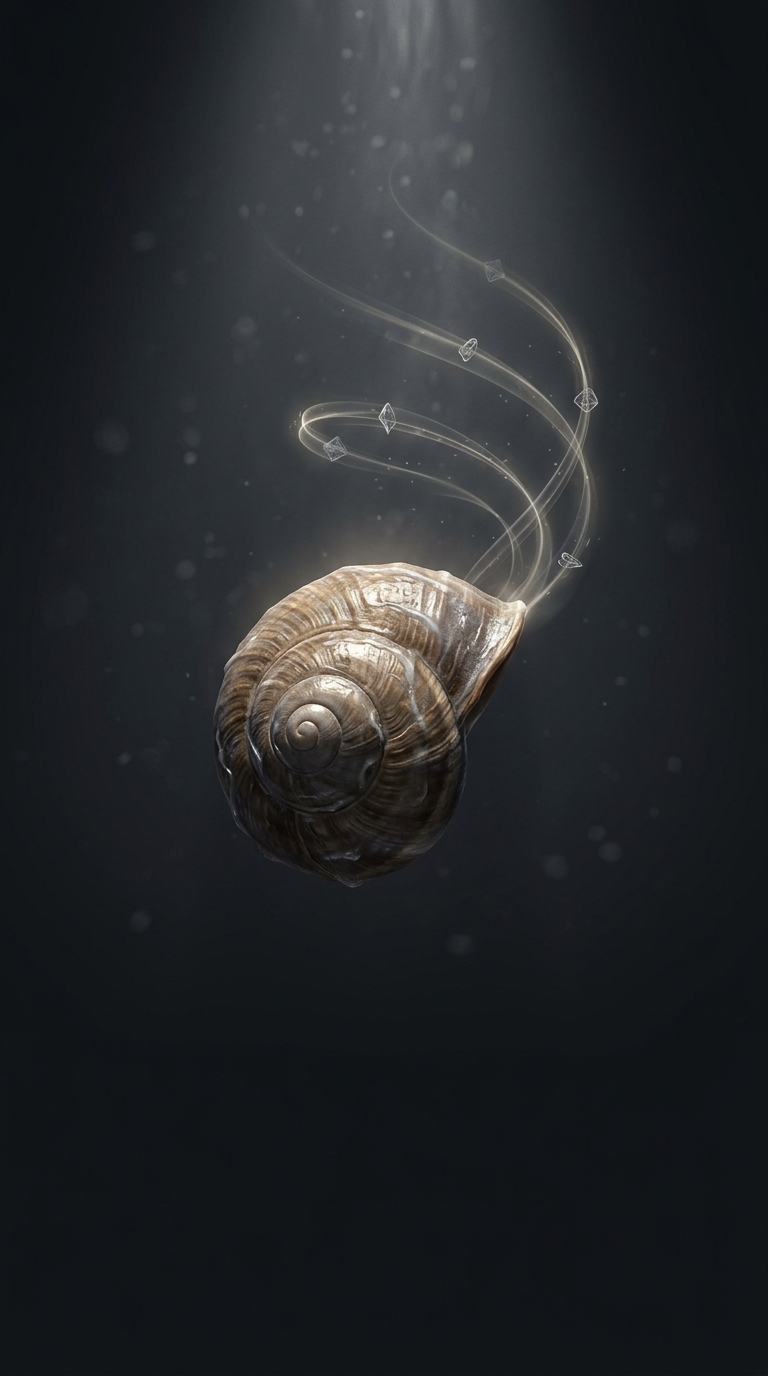
For a land snail, losing water is a more immediate danger than going without food. Its soft body is exposed to the air, so hot, dry conditions can drain moisture faster than the animal can replace it. When the environment becomes harsh, the snail retreats into its shell and forms a mucus-based barrier across the opening, called an epiphragm. The barrier may dry into a thin, firm layer that slows water loss while still allowing some gas exchange.
A pause in activity, not ordinary sleep
Estivation is a survival response to heat or drought. The snail reduces movement and other energy-consuming activity, conserving both water and stored fuel. This is different from simply sleeping: the slowdown is tied to unfavorable environmental conditions and can last until those conditions improve.
The seal is not an airtight lid, and it does not make the snail invulnerable. It buys time by limiting evaporation, while the shell offers an additional sheltered space. How long a snail can remain inactive depends on its species and the conditions around it; the often-cited extreme durations are not a routine schedule for every snail.
What brings it back out
When moisture returns, the snail can rehydrate and resume activity. Rain or damp air can make the outside world usable again, allowing it to emerge and forage. That means the animal’s return is not triggered by a clock: it depends on a change in the conditions that made staying sealed the safer choice. A snail apparently motionless in its shell may therefore be conserving its chance to move again when the landscape becomes livable.