A Controlled Flame, Not a Test of Endurance
A performer who appears to burn is working inside a tightly planned effect. A protective gel is spread over exposed skin and often over a specially prepared suit. The gel helps slow the transfer of heat, while the suit provides another layer between the performer and the flame. Neither makes the body fireproof: protection buys a limited window, so the burn is designed to be brief.
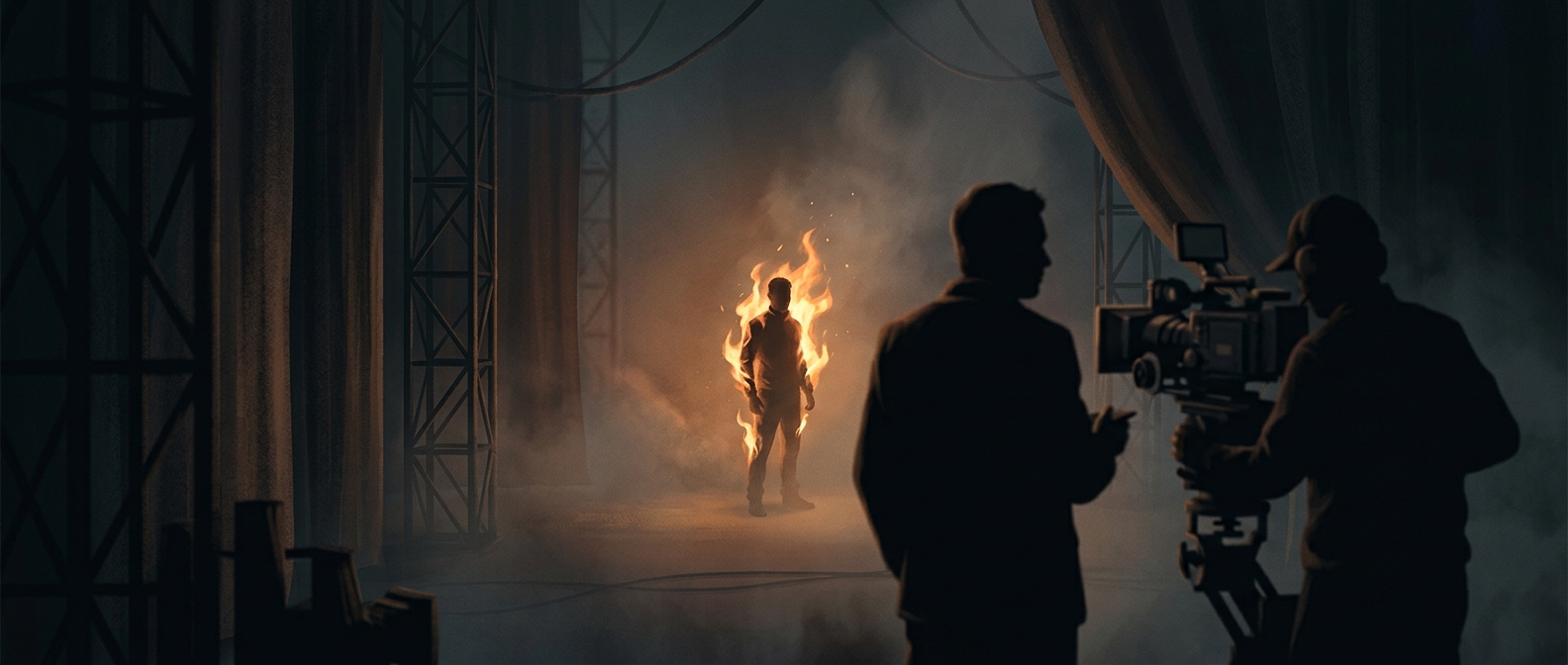
The flames themselves are controlled, too. The crew plans where the fire will travel, how long it will remain, and how the performer will move through the shot. The performer rehearses those movements without fire first, so there is less improvisation once the effect begins.
The Safety Plan Is Part of the Stunt
A fire stunt depends on more than the person wearing the suit. Safety crew stand ready with extinguishing equipment and coverings to smother flames. They watch the performer and the fire throughout the take, and the action stops as soon as the planned moment is over. The suit and gel must be prepared carefully; gaps or delays can undermine the protection.
That coordination is why a flaming shot is treated as a short sequence of cues rather than a prolonged performance. The performer’s job is to hit the movement and timing that the camera needs while the crew stays prepared to put the fire out immediately.
Why the Actor May Not Be the One Burning
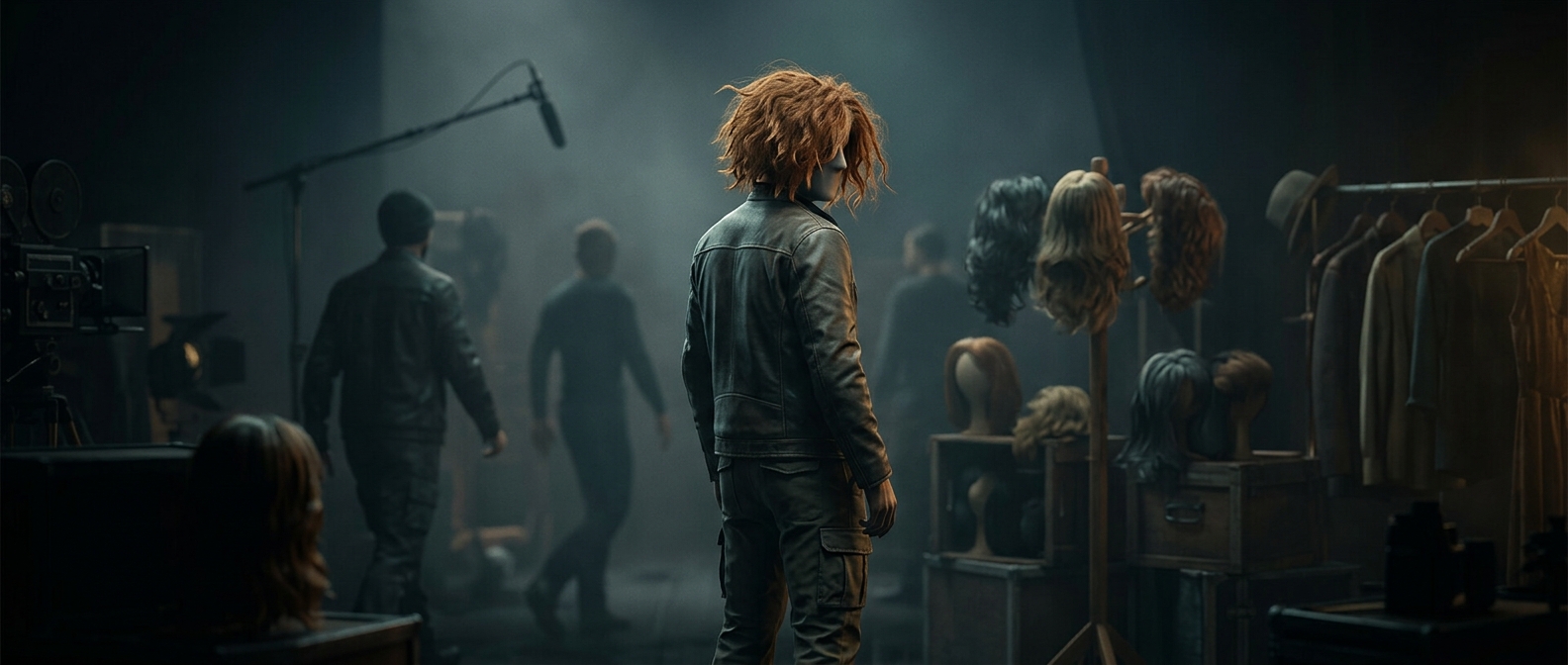
A lead actor can appear in the close-up while a trained stunt performer handles the wider, more dangerous action. Editing can join those images into one continuous moment. The close-up gives the audience the character’s expression; the stunt shot supplies the physical danger. The apparent chaos is built from brief, rehearsed actions and a safety team ready to end the fire on cue.