How Deliverance Changed the Chattooga’s Image
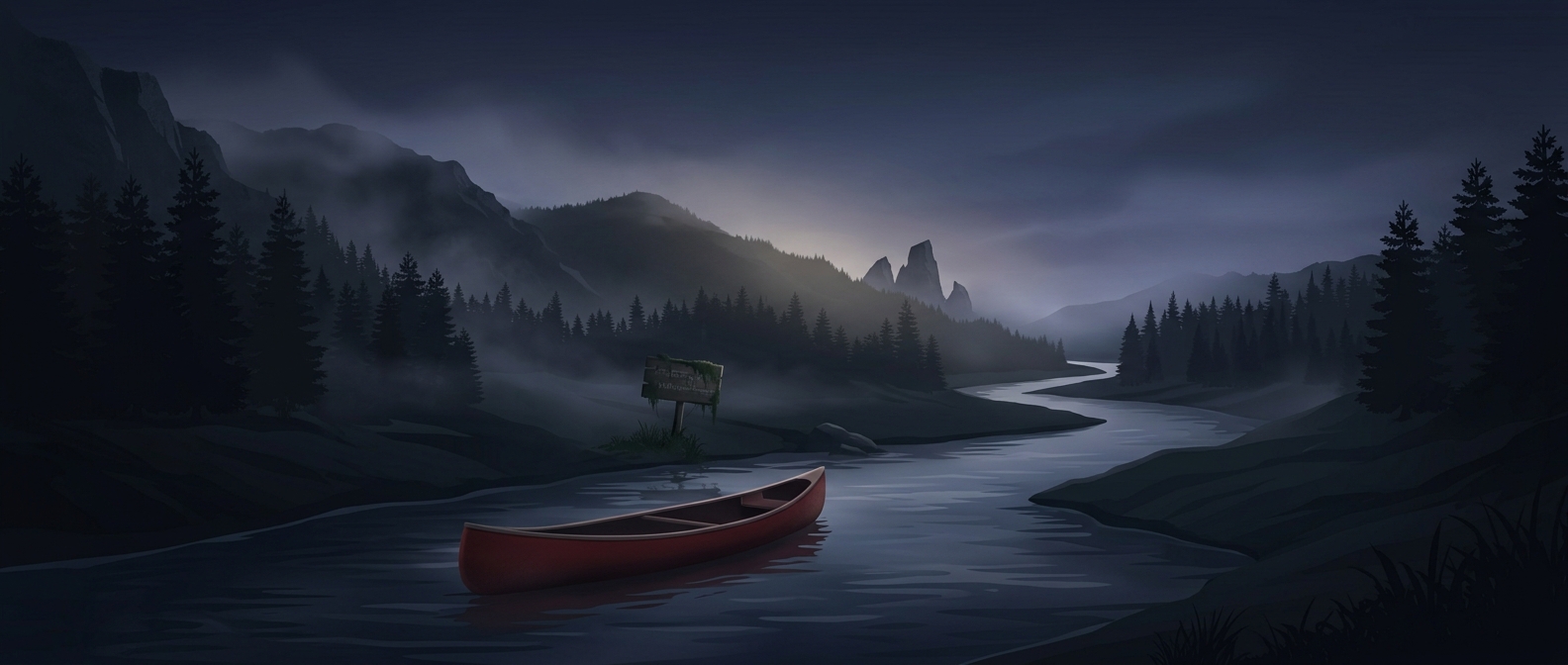
Released in 1972, Deliverance turned a river outing into a story of escalating danger. The Chattooga River, which runs along the Georgia–South Carolina border, served as the film’s setting. Its rapids and remote, wooded banks gave the suspense a convincing landscape—and made the place recognizable to audiences as somewhere a trip could go badly wrong.
That association mattered because a river’s reputation helps determine who visits it. Campers and paddlers choosing a destination may be drawn by scenery and adventure, but they also weigh whether a trip seems safe. For some viewers, the film’s frightening portrayal made the Chattooga feel less like a recreation spot and more like a place to avoid.
When a Movie’s Reputation Reaches Local Businesses
Fewer visitors can mean fewer customers for the people and businesses that depend on river trips. Outfitters, guides, campgrounds, and nearby shops all rely, in different ways, on travelers deciding to spend time in the area. The film’s effect was therefore not confined to the screen: its image of the river could influence the local economy by changing whether people came at all.
The contrast is part of the story. A dramatic film compresses danger into a memorable narrative; a real river trip is an activity whose risks depend on conditions, preparation, and judgment. But the movie’s emotional image could outlast that distinction. For the Chattooga, a powerful setting became a powerful warning—and local businesses felt the cost when some would-be visitors stayed away.