A review network carried by letters
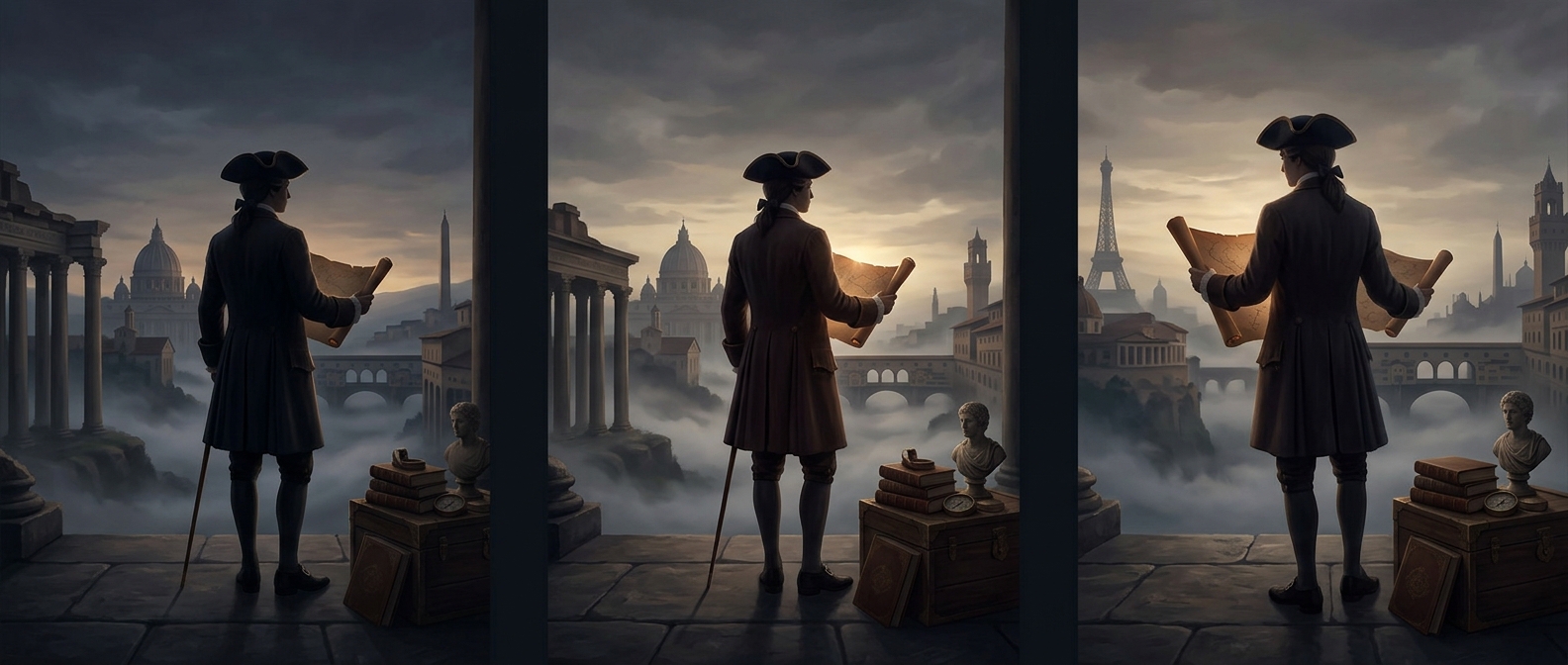
For wealthy travelers on the Grand Tour, advice about the road often came from people they already knew. A letter or set of notes could turn one traveler’s unpleasant stop into a warning for the next: watch for bedbugs at an inn, or be wary of a guide who might steal from you. Thomas Manning and William Bray were among the late-18th-century travelers who passed along such practical intelligence.
The system worked through personal trust. A friend’s account could help someone decide where to stay or whom to hire before setting out, when reliable information about conditions on the route was hard to obtain firsthand. Unlike a modern review site, this advice was not gathered in one public place. It traveled privately, along social connections, and its usefulness depended on who had written it and who received it.
The cost of a bad recommendation
These warnings were about more than comfort. Bedbugs could make an overnight stop miserable, while a dishonest guide could put a traveler’s money at risk. For people moving through unfamiliar towns, lodging and local help were essential—and difficult to assess in advance. Notes from earlier travelers gave friends a way to anticipate those risks rather than learn about them only after arriving.
That made correspondence a modest but consequential travel tool: a private record of what could go wrong, carried forward to someone with the means to take a different inn or choose a different guide.