The bicycle was the first platform, not the finished machine
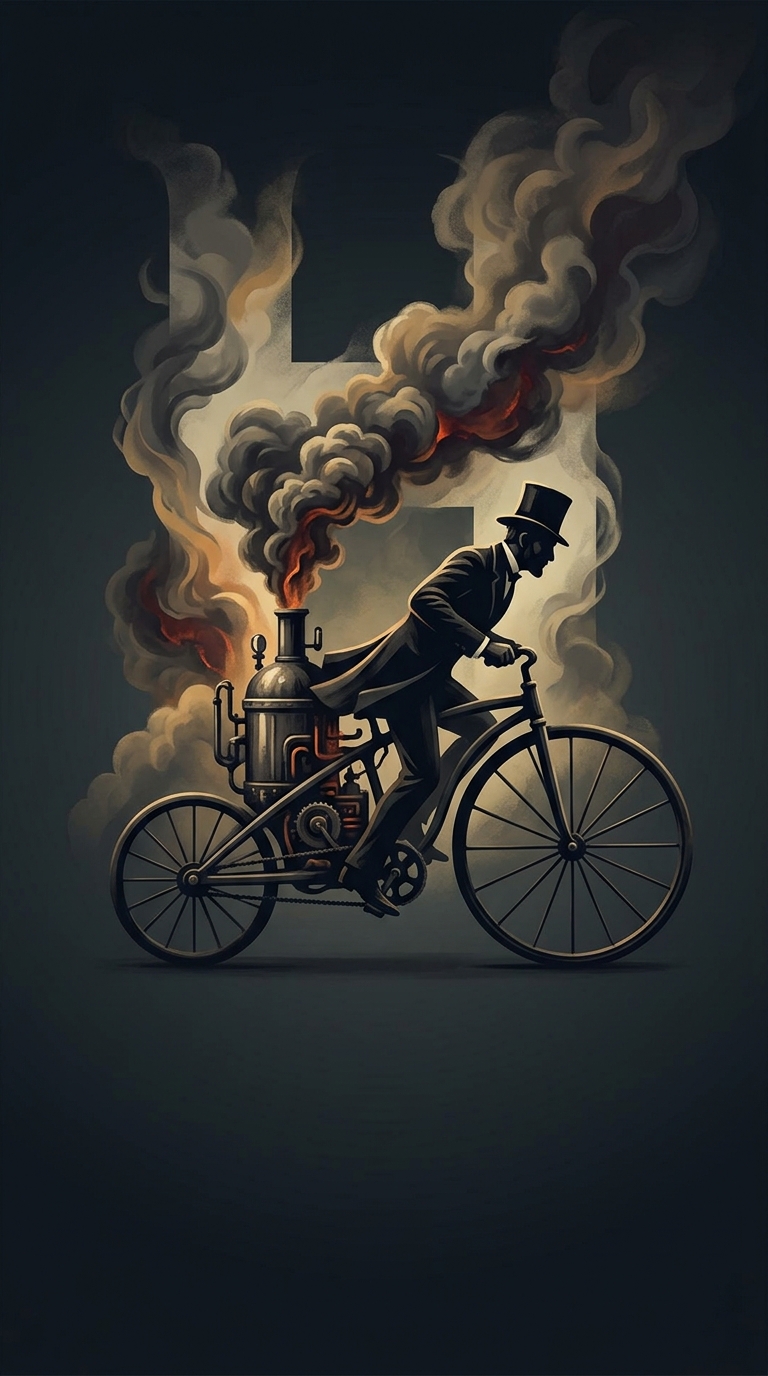
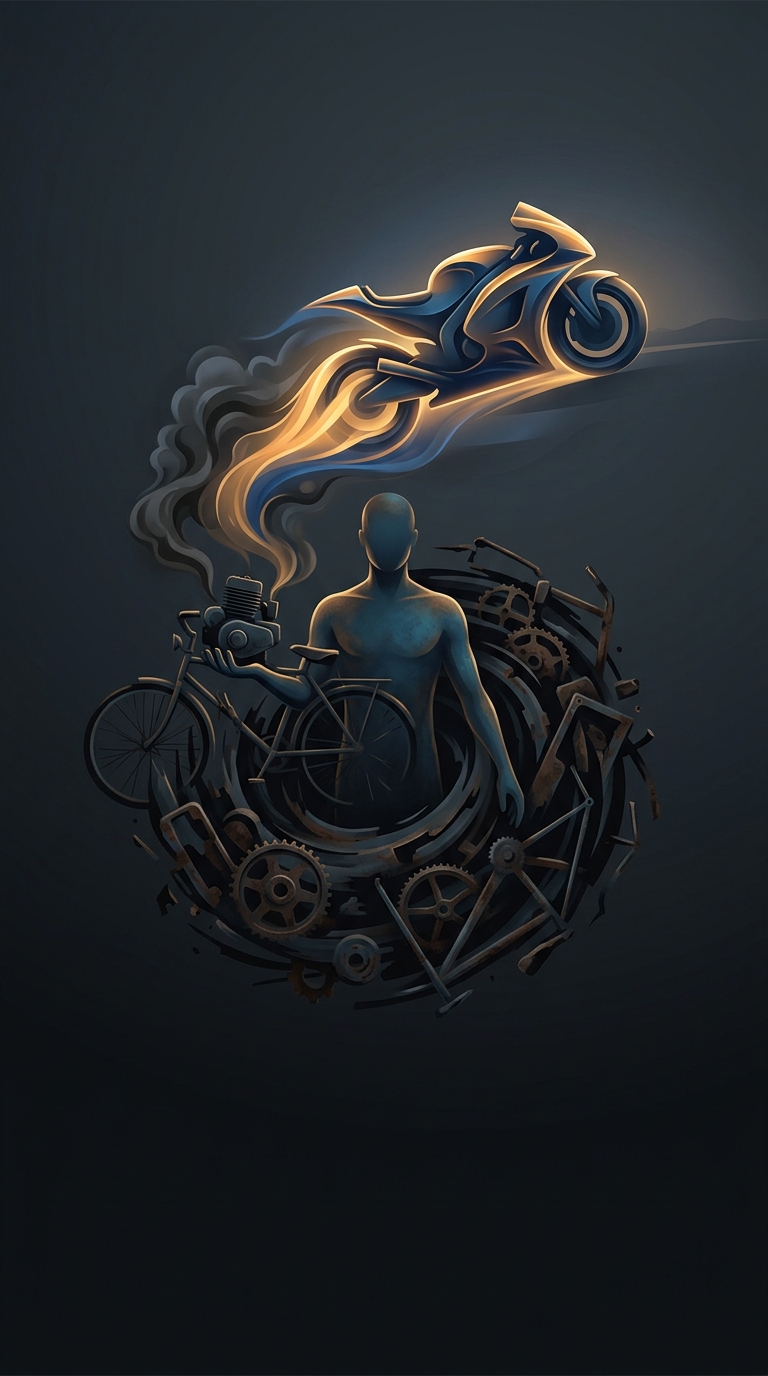
An auxiliary engine made a bicycle useful in a new way without requiring riders to buy a motorcycle. The pedals, frame, wheels and brakes were already there; the motor supplied extra push. That mattered in postwar Japan, where a complete motor vehicle could be far beyond an ordinary household’s reach.
The arrangement also kept the machine comparatively simple. Instead of designing an entire vehicle at once, Honda’s early business could focus on a compact engine and the fittings needed to mount it. Buyers could use bicycles they already owned, while the familiar controls and lightweight frame kept the result closer to everyday transport than to a full motorcycle.
From adapting engines to building motorcycles
The first setup depended on engines originally made for another job. That was a practical way to get started, but it could not be the basis for a lasting product line: supplies of surplus equipment were limited, and an engine designed for a generator was not necessarily ideal for driving a bicycle. Honda moved on to producing its own small engines, then to complete motorcycles. The Dream D-Type, introduced in 1949, was the company’s first full motorcycle.
That progression shows why the bicycle kit mattered beyond its immediate usefulness. It gave the young company a way to learn what riders needed while working with a modest, adaptable machine. The starting point was not a sleek motorcycle factory, but a motor that let an existing bicycle do more—and a business that could grow from that small change.