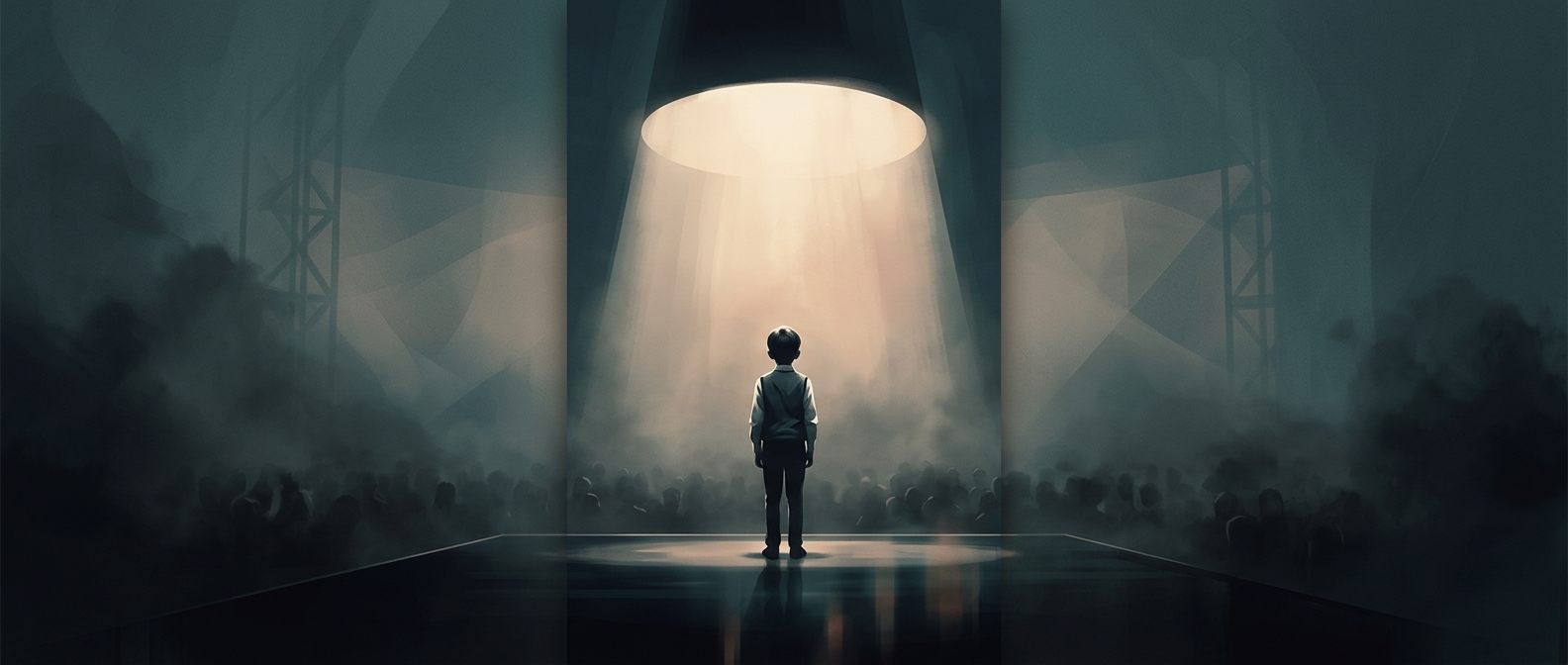
A Contest Built Around One Irreversible Decision
A spelling bee turns a private act of recall into a public sequence: hear a word, interpret it, choose letters, and commit. In many formats, a miss ends a contestant’s run. That makes each turn unusually legible to viewers. The challenge may involve obscure vocabulary, but the outcome can hinge on a single spoken choice.
Unlike a race, the action does not keep moving while a contestant thinks. The pause is part of the event. A speller may ask for the word to be repeated or request information such as its definition or language of origin, when the rules allow it. Those requests give the audience time to notice the same uncertainty the contestant is weighing: which sound matters, and what spelling pattern might fit?
The Audience Can Listen for the Mistake
Many competitions show the word to judges and viewers while the contestant hears it aloud. That creates a useful imbalance: the audience can follow the spelling attempt letter by letter, but cannot know whether the child has chosen correctly until the answer is complete. Each letter narrows the possibilities, turning an invisible mental process into something spectators can track.
The format also gives small decisions visible consequences. A contestant might settle on a familiar spelling, reconsider it, or test a possible ending aloud. These choices are not dramatic gestures added afterward; they are the work of spelling, exposed in real time.
Why a Quiet Room Can Feel So Loud
A bee has little need for fast cuts or elaborate action. Its suspense comes from a clean rule and a short stretch of uncertainty: the contestant speaks, the judges decide, and everyone learns whether the attempt stands. Because the stakes are clear and the crucial moment is easy to understand, viewers do not need specialist knowledge to feel the pressure.
That is the television trick: the contest makes a child’s reasoning audible, then leaves a beat between the final letter and the verdict.