Turning a Broken Road Into a Water Route
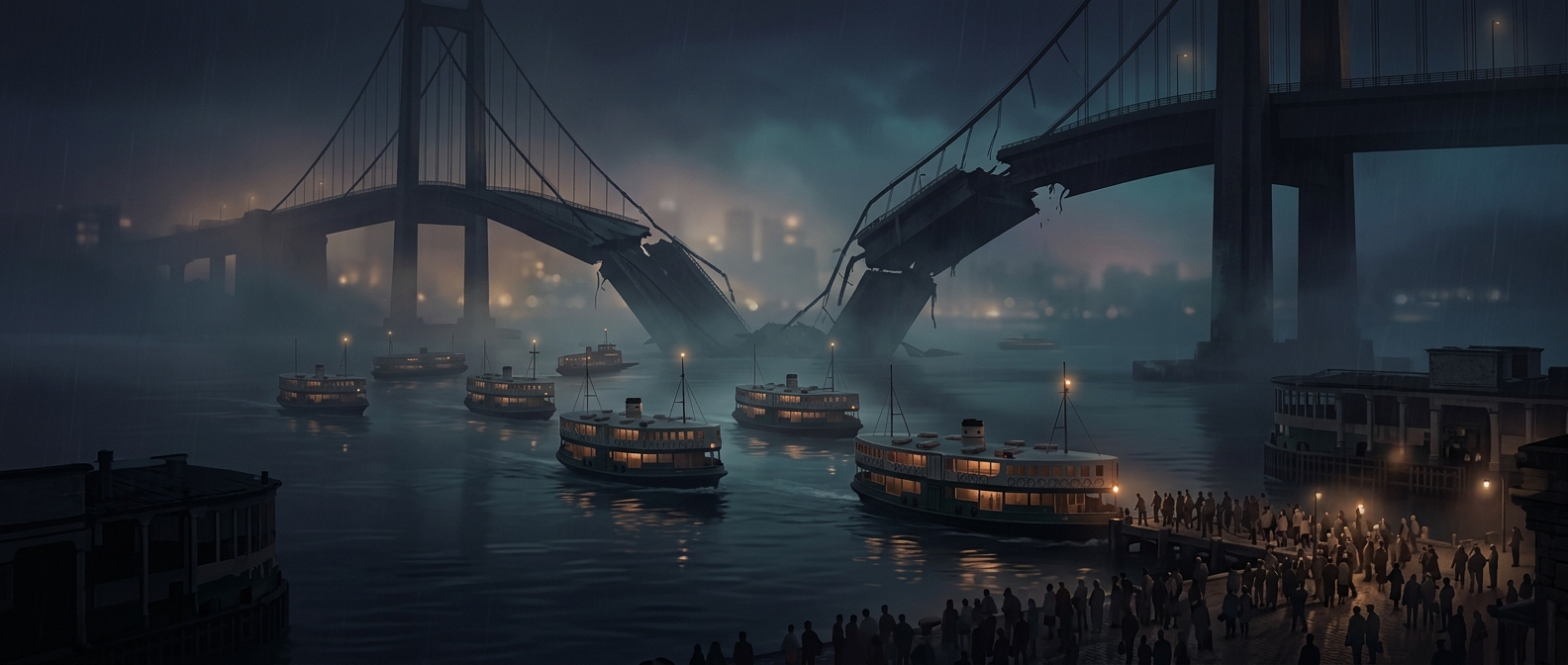
When a bridge fails, the missing span does more than interrupt traffic: it removes the fixed link that lets people and vehicles cross on a predictable route. A ferry can replace that link by carrying them across the water instead of over it. The crossing still works, but the road journey now depends on a vessel making repeated trips between two landing points.
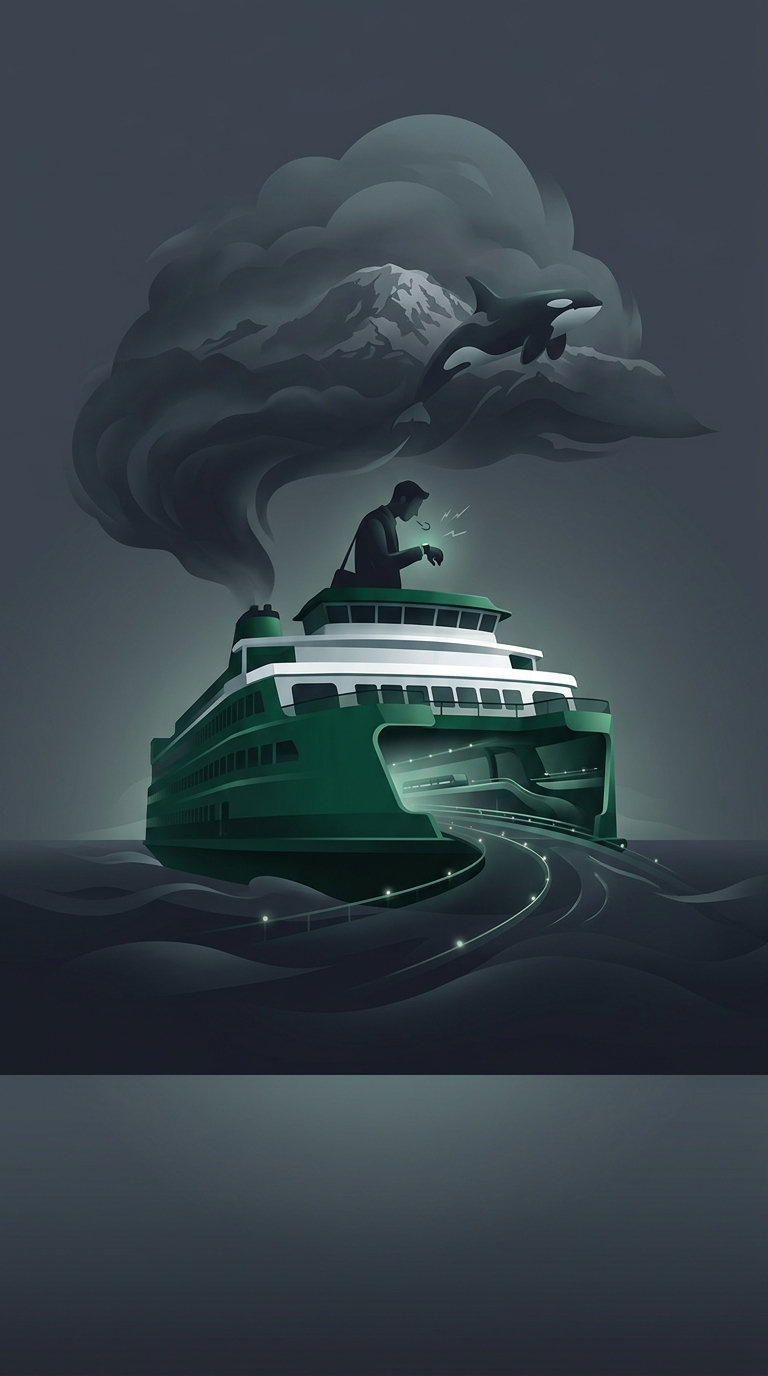
A retired ferry is useful only if it can be made ready for that job. It needs to be safe to operate, and the shore needs places where passengers or vehicles can board and leave. Ramps and docks connect the moving vessel to land; schedules coordinate departures so people can plan around the crossing. Using an existing boat can therefore restore service sooner than waiting for a permanent bridge repair, provided the vessel and landing setup fit the route.
A Detour With Different Limits
A ferry does not reproduce a bridge’s continuous flow. Each trip has limited space, and passengers may have to wait for the next departure. Vehicles also need room to line up and load, while the vessel must make the return journey before it can carry another group in the same direction. Weather, operating hours, and loading arrangements can affect how reliably the service runs.
That makes the ferry a practical stopgap, not a floating replacement for every feature of a bridge. Its value is that it restores a connection while the fixed crossing is unavailable. The road may be broken, but if people can reach both shore landings, the route across the water can keep moving—one scheduled trip at a time.