Why a road sometimes ends at the water
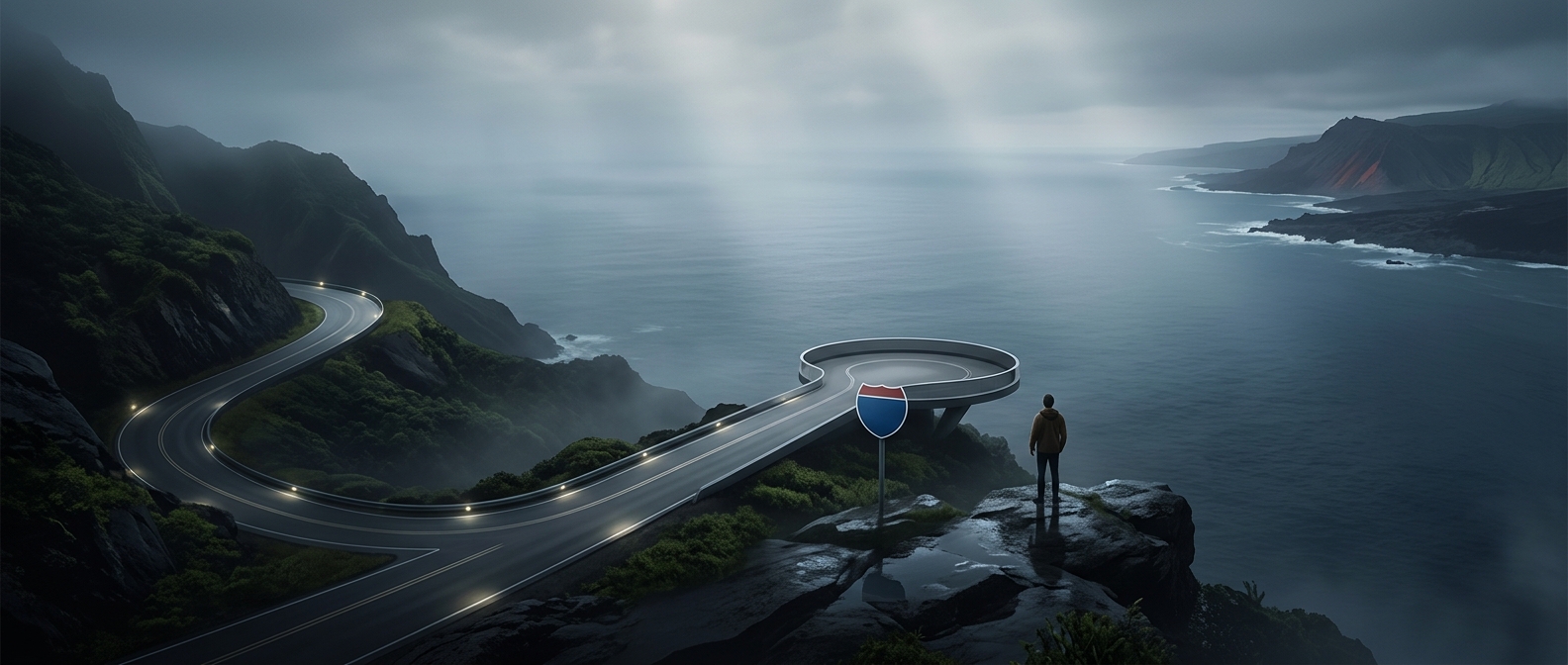
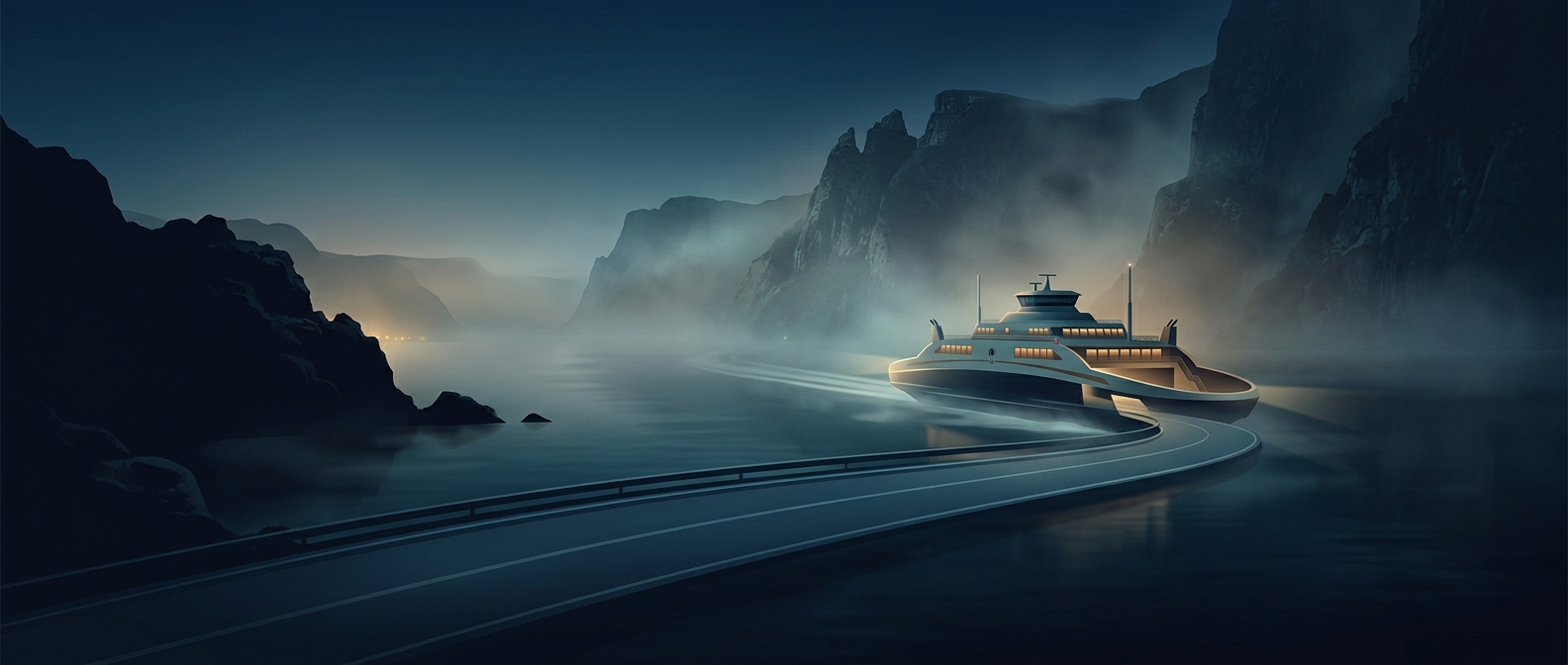
Norway’s steep terrain can make a direct road connection across a fjord difficult to build. A bridge must span the water and withstand wind and other forces; a tunnel must be excavated through rock, sometimes far below the fjord. Those structures can be practical, but they require substantial construction. Where a crossing is instead served by a ferry, the road network uses a vessel to bridge the gap.
Turning a crossing into part of the route
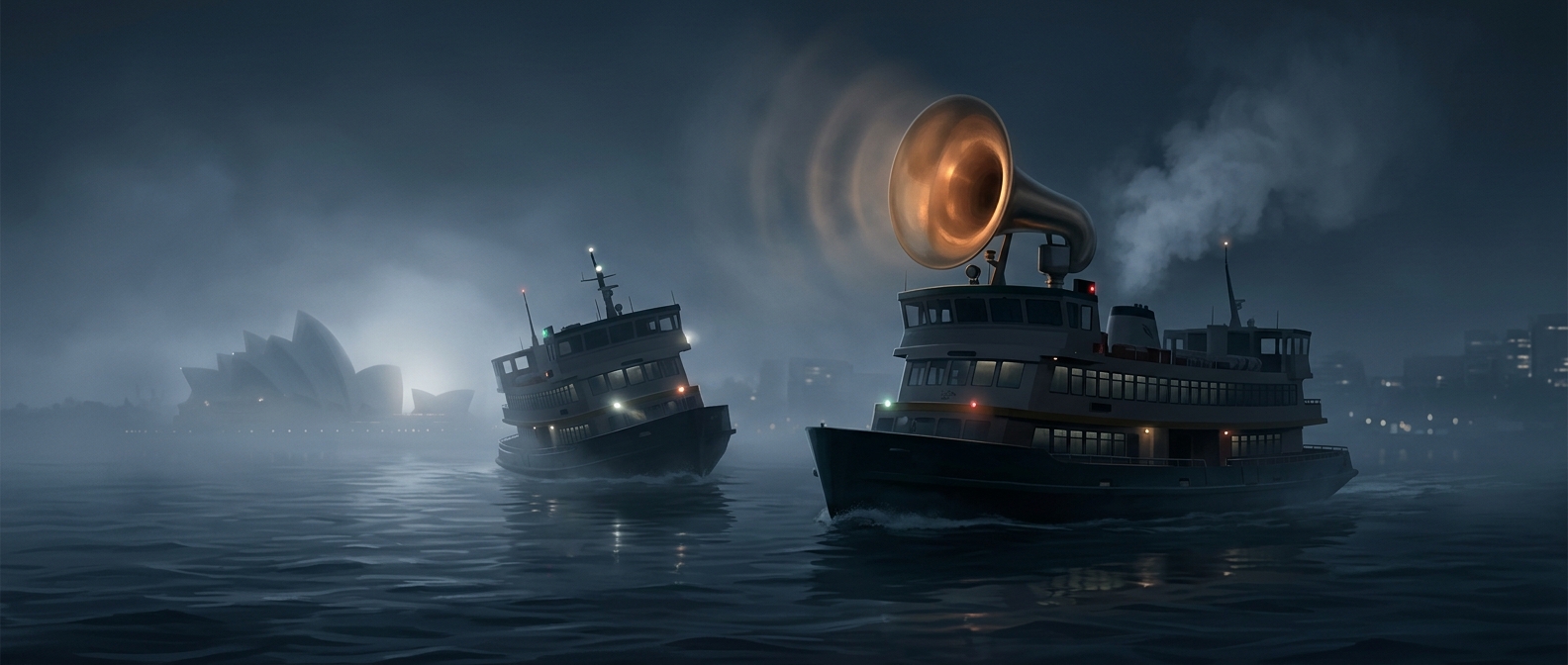
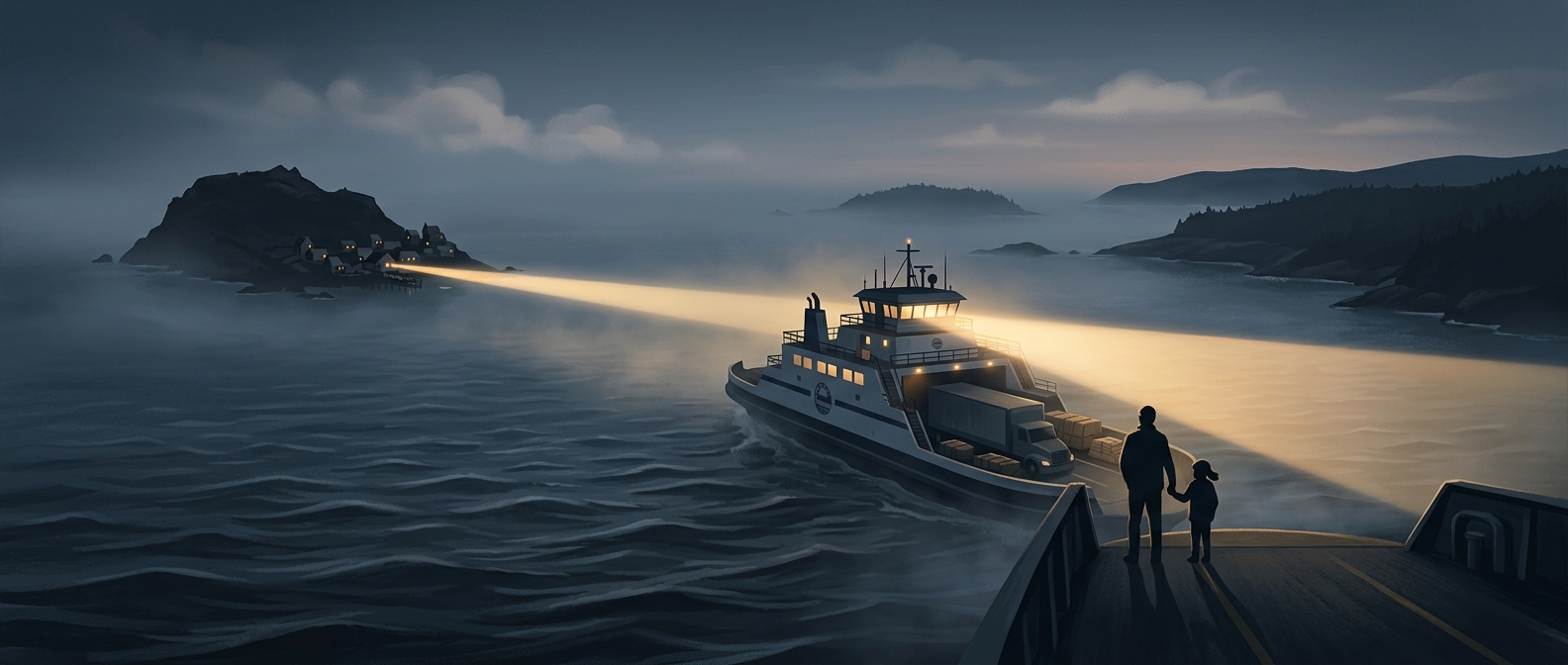
At each terminal, cars leave the public road, line up, and drive onto the ferry’s vehicle deck. After the crossing, they drive off and continue on the road on the opposite shore. The ferry is not merely a boat that happens to carry motorists: its terminals, loading ramps, capacity, and timetable all shape how the road connection works.
That makes the crossing a shared resource. Cars must board in an orderly sequence, and the vessel can carry only so many vehicles at once. If demand exceeds the space on a departure, some drivers wait for another. The schedule therefore becomes part of the journey in a way that a bridge usually does not.
A flexible link, with a built-in pause
A ferry can connect existing roads without requiring a permanent structure across the fjord. But it also introduces a transfer point where traffic gathers and movement depends on the service operating. For travelers, the route is not a continuous strip of pavement: it is a road, a queue, a crossing, and then more road. That brief interruption is the price of keeping the highway connected across water.