The shoreline becomes part of the vessel
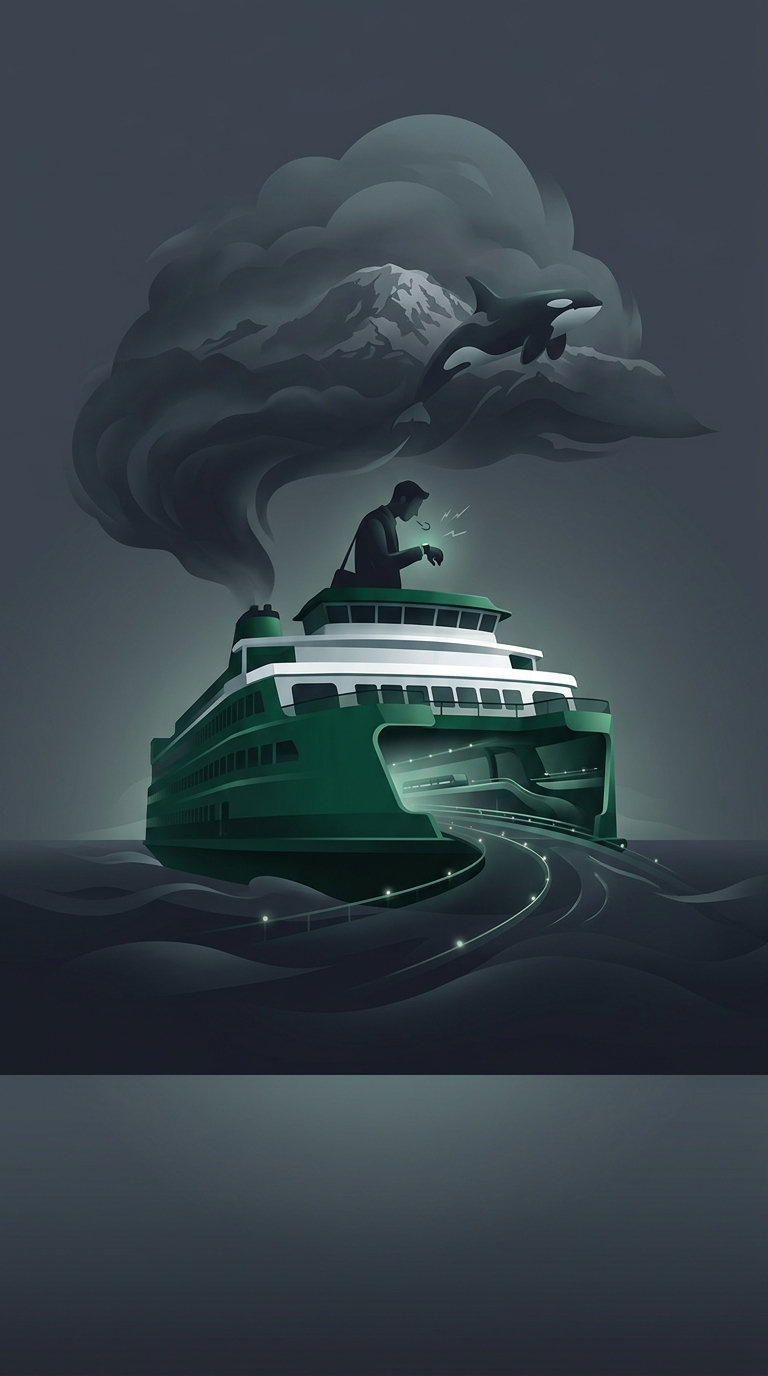
A car ferry needs more than a boat and a dock. At each terminal, a movable steel ramp—often called a transfer span—bridges the gap between shore and the ferry’s vehicle deck. As the water rises or falls, the span changes angle so cars can still drive aboard. The tide does not stop the route, but it changes the geometry that the terminal has to manage.
Once the ramp is down, the crossing works like a carefully timed loading operation. Vehicles enter in an arranged sequence, crew members direct them into available spaces, and passengers remain subject to the vessel’s safety procedures. At the other end, unloading must clear the deck before the next departure can be prepared.
A timetable with moving constraints
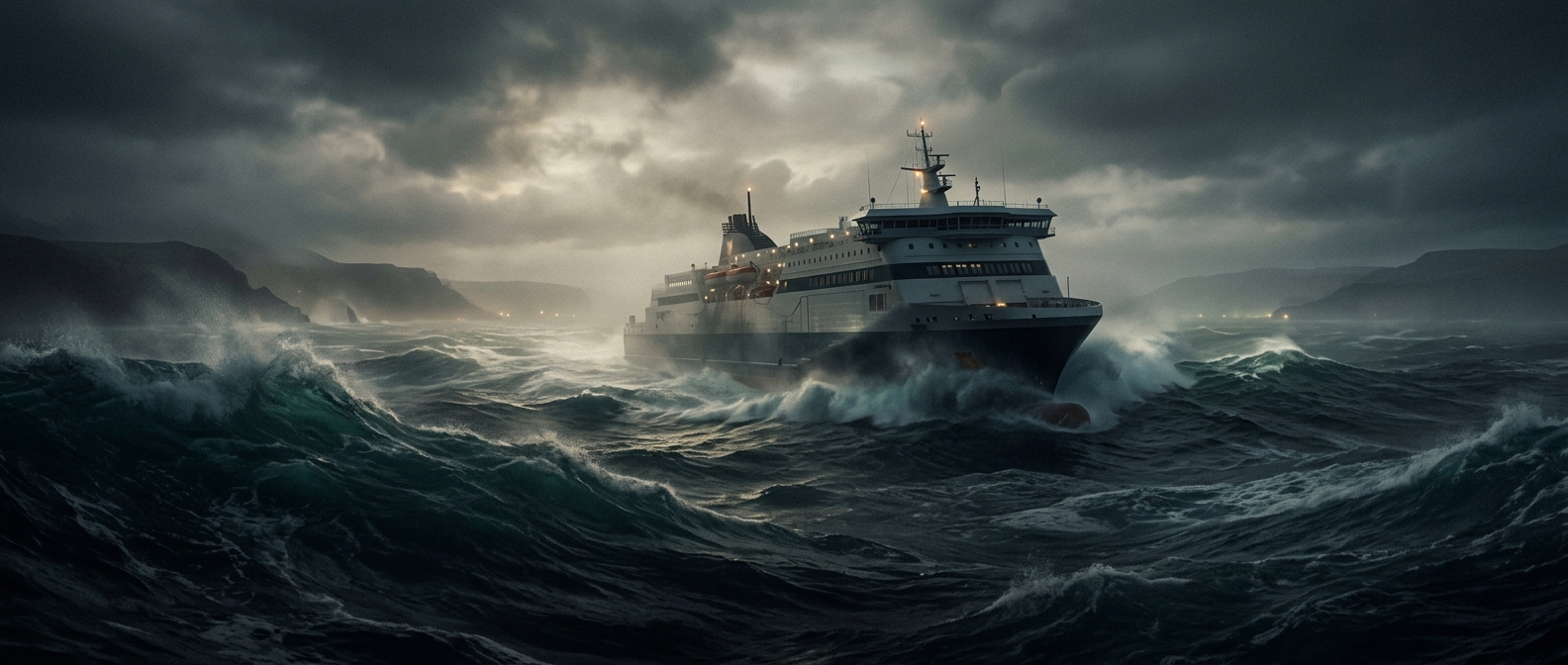
Unlike a road, a ferry route has a fixed carrying capacity: each sailing can take only the vehicles and people that fit aboard. A full boat means waiting for another departure, so demand, vessel size, and the time needed to load and unload all shape how the route functions. Wind, visibility, and currents can also affect operations in exposed water, even when the terminals themselves are usable.
This makes the network more than a set of crossings. A vessel and its terminal have to work together on both shores, and a delay at one point can affect later trips. The system connects places that water makes awkward to reach by road, but it cannot offer the continuous, on-demand passage of a bridge.
A highway that has to dock
The distinctive engineering tradeoff is that the road ends at the water, then resumes on a moving platform. The adjustable shore ramp accommodates changing water levels; the ferry supplies the missing link. For drivers, the result feels like a road trip interrupted by a boat ride—but the crossing depends on a coordinated sequence of docking, ramp adjustment, loading, and departure.