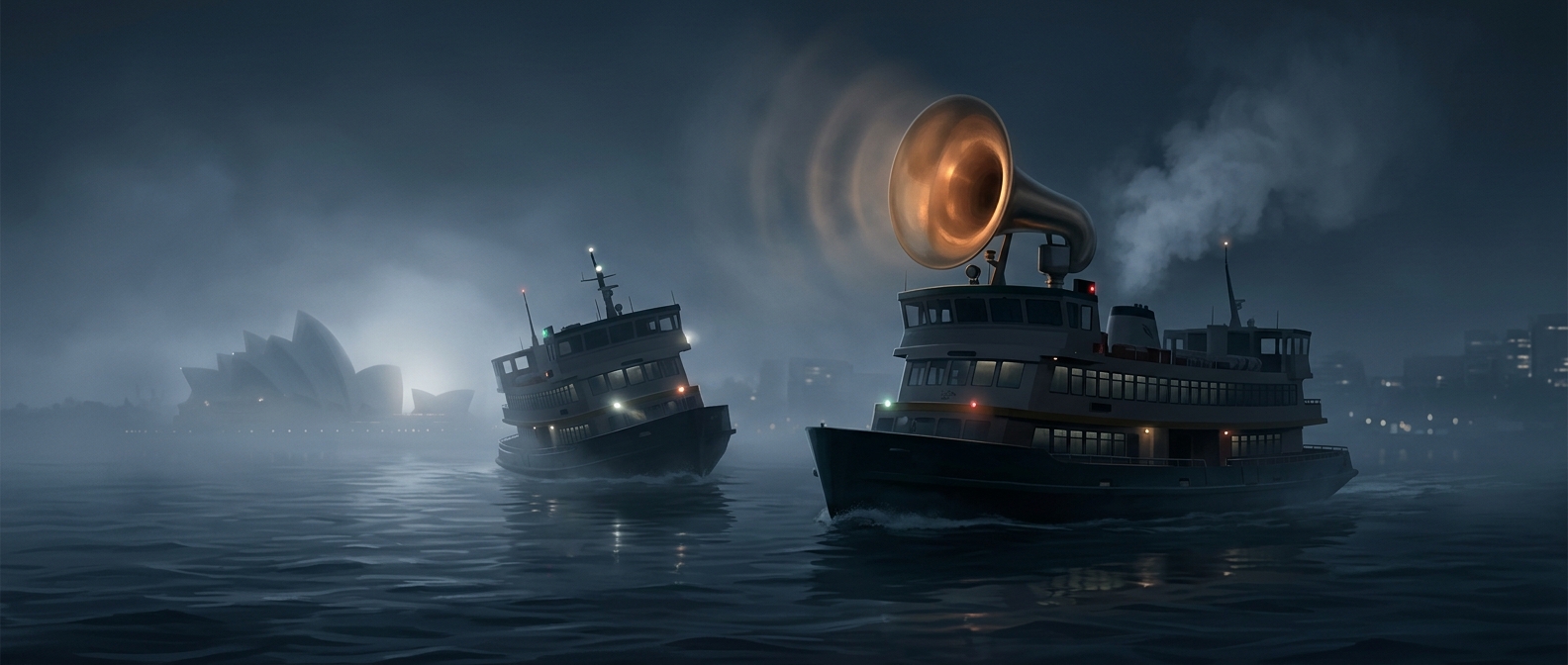
A moving target in a busy channel
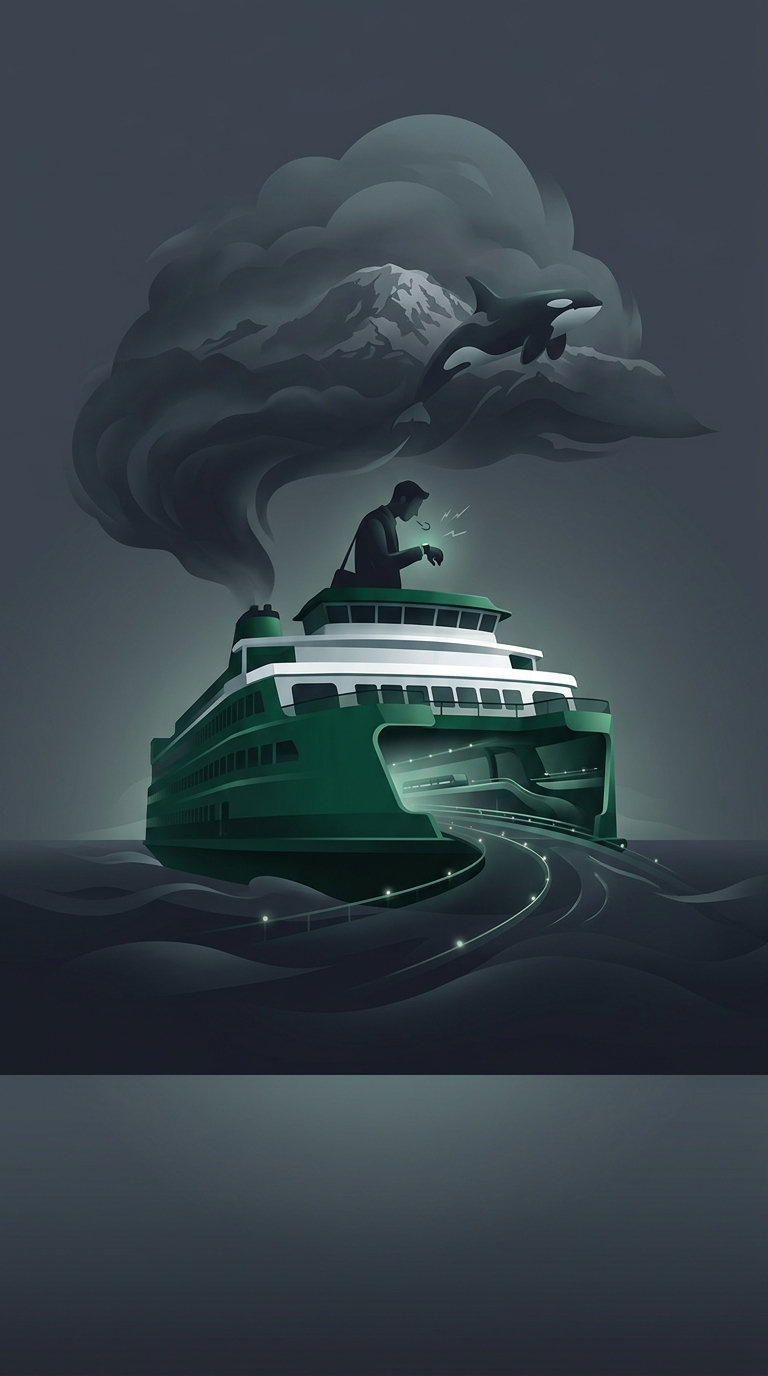
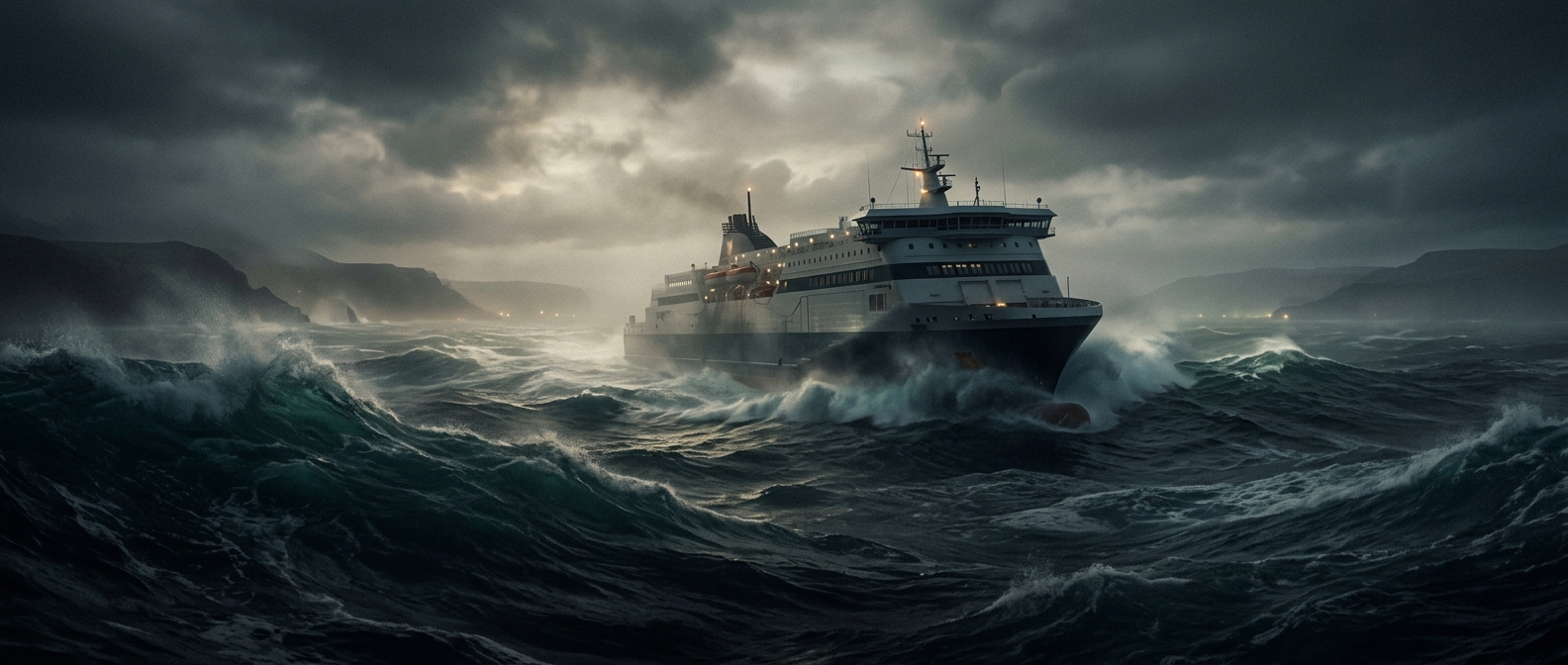
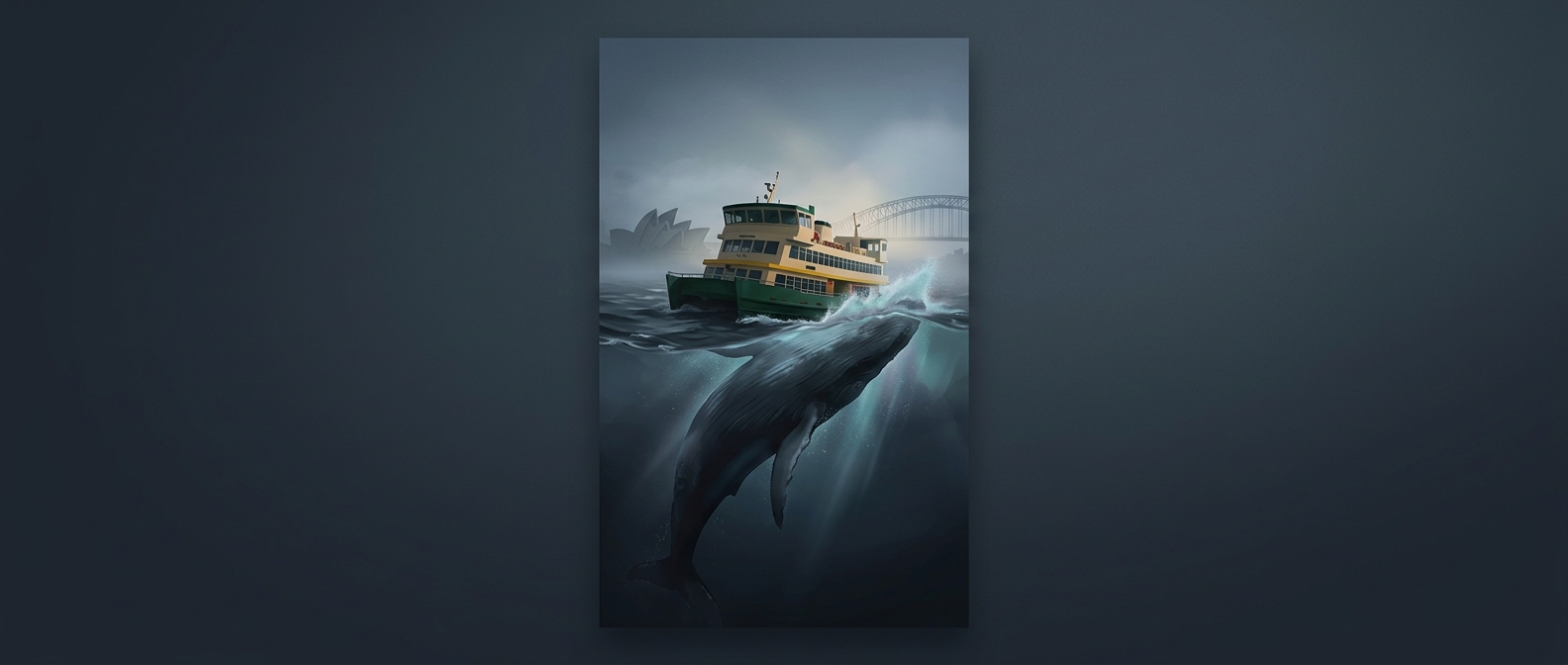
A whale can travel beneath the surface and appear with little warning, while a ferry follows a route through the same confined harbor waters. From the bridge, the captain has to judge not only where the whale surfaced but where it may go next. It can submerge again before the ferry reaches it, making a sudden change of course a guess rather than a precise maneuver.
Why slowing down matters
A loaded passenger ferry has momentum: reducing speed takes time, and turning takes room. Slowing gives the crew more time to watch the animal and leaves more opportunity to adjust course. If the whale is close to the ferry’s path, a course change may provide safer separation; if it is not, holding a predictable line can be the better choice. The response depends on what the crew can see and how much room the harbor allows.
The risk runs both ways. A collision can injure a whale, while an abrupt maneuver in crowded water can complicate the ferry’s passage. That is why spotting the animal early—and keeping track of it as it surfaces and dives—matters as much as the initial turn or slowdown.
The timetable yields to the sighting
Ferry routes are built around regular crossings, but a whale does not follow a timetable or stay visible. When one appears, the captain must briefly prioritize safe separation over the planned pace. In a harbor shared by commuters and migrating wildlife, a few minutes of delay can be the practical cost of letting the animal pass.