Why a Wet Slope Can Turn Into a Road Hazard
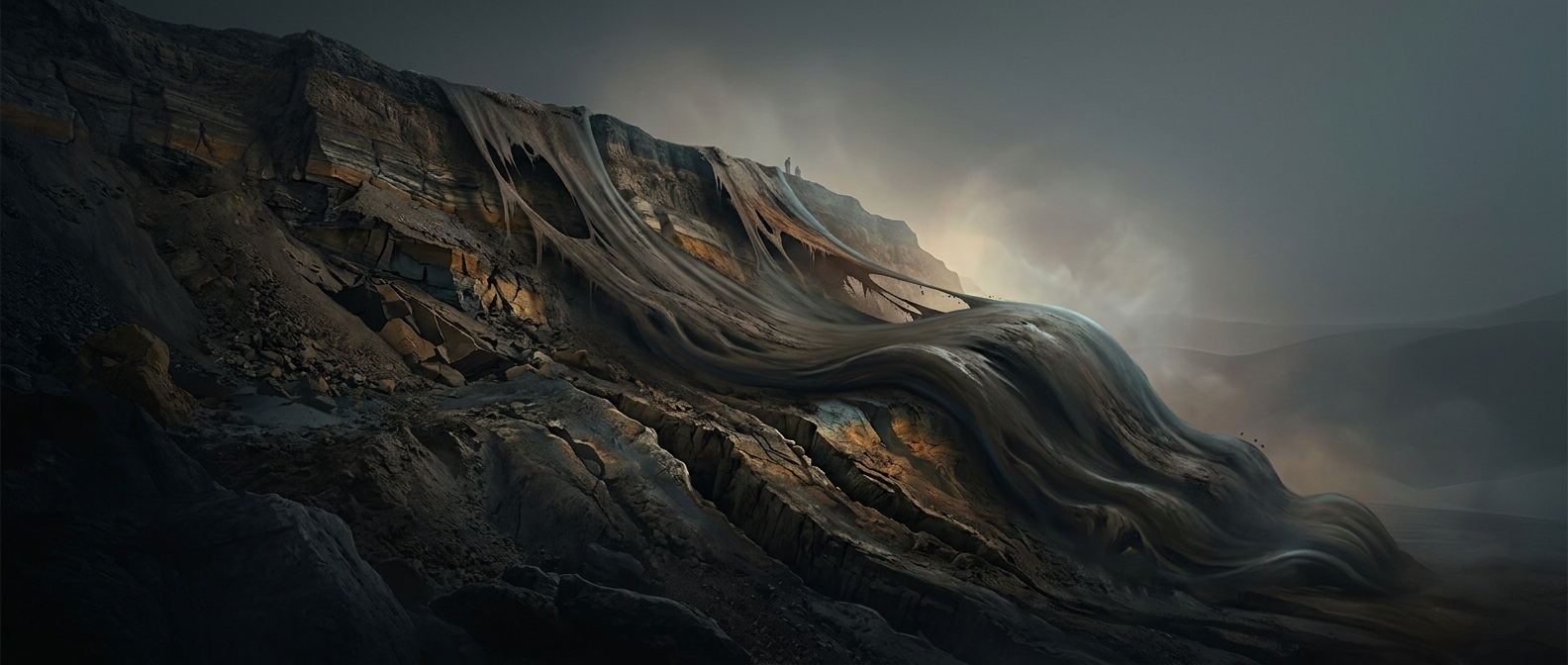
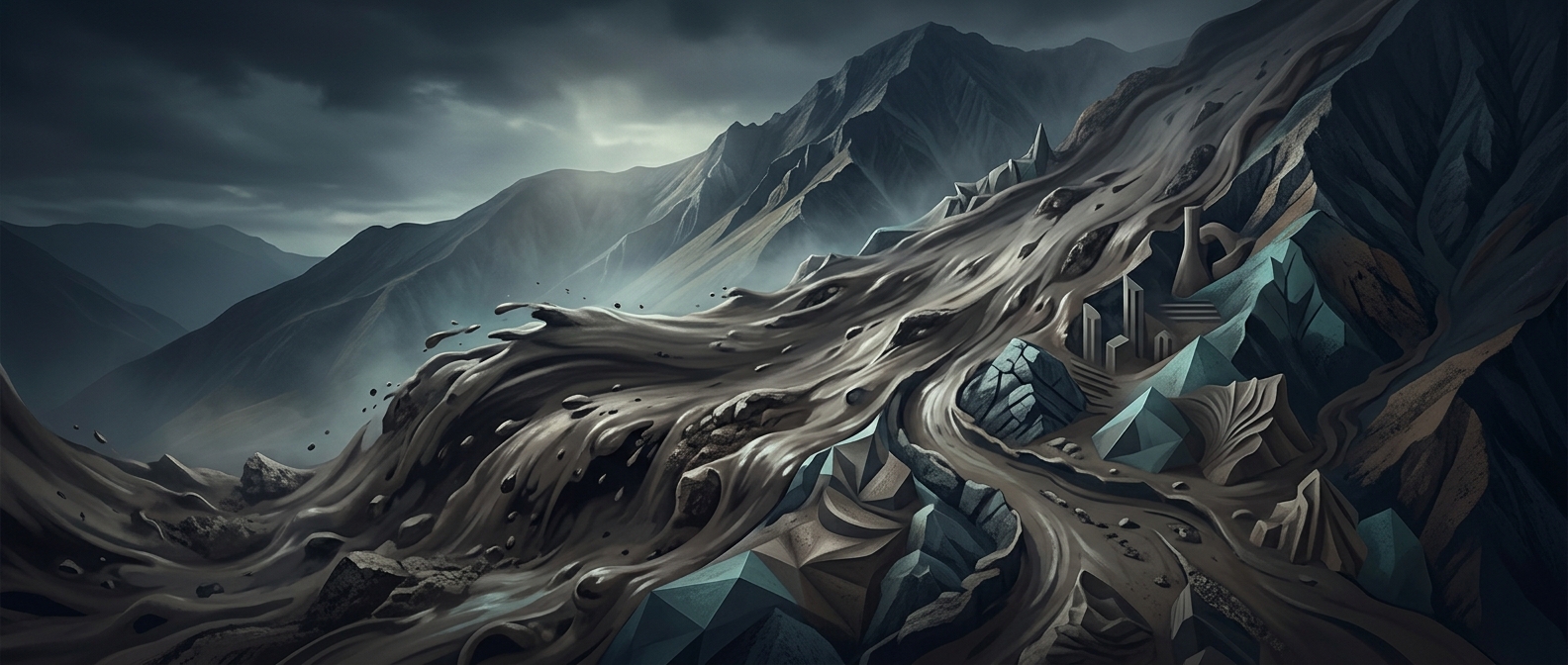
Water does more than add weight to a hillside. As it seeps between grains of soil and cracks in rock, it can raise the pressure inside the slope and reduce the contact forces that help hold particles together. Once the ground can no longer resist gravity, a slide may begin. If it picks up enough loose sediment and water, it can become a debris flow: a moving mixture capable of carrying stones, branches, and soil into roads and valleys.
The route matters. Gravity pulls the flow downhill, while gullies and drainage channels funnel it—sometimes toward a road cut into the mountainside or crossing a valley. A road can also alter the slope’s drainage: a ditch or culvert that is blocked, undersized, or overwhelmed may concentrate water where it weakens the ground. The hazard is therefore not just a moving hillside; it is also a question of where water and sediment are directed.
Keeping a Mountain Road Passable
Engineers try to manage both parts of the problem. Drainage systems can guide water away from vulnerable slopes, while retaining structures, protective barriers, and catch areas may limit where falling or flowing material goes. These measures have limits: a flow can overwhelm a barrier, and a slope can fail beyond the area a road operator can stabilize. Monitoring rainfall and ground conditions, then closing an exposed road when danger rises, can be as important as building defenses.
After a flow crosses a road, clearing the visible mud may not restore safe passage. Workers may also need to check whether the pavement has been undermined, drainage structures are clogged, or more material remains poised above the route. A mountain road’s most important repair can be the unseen work of restoring the path water is supposed to take.