How an eruption makes a stone raft
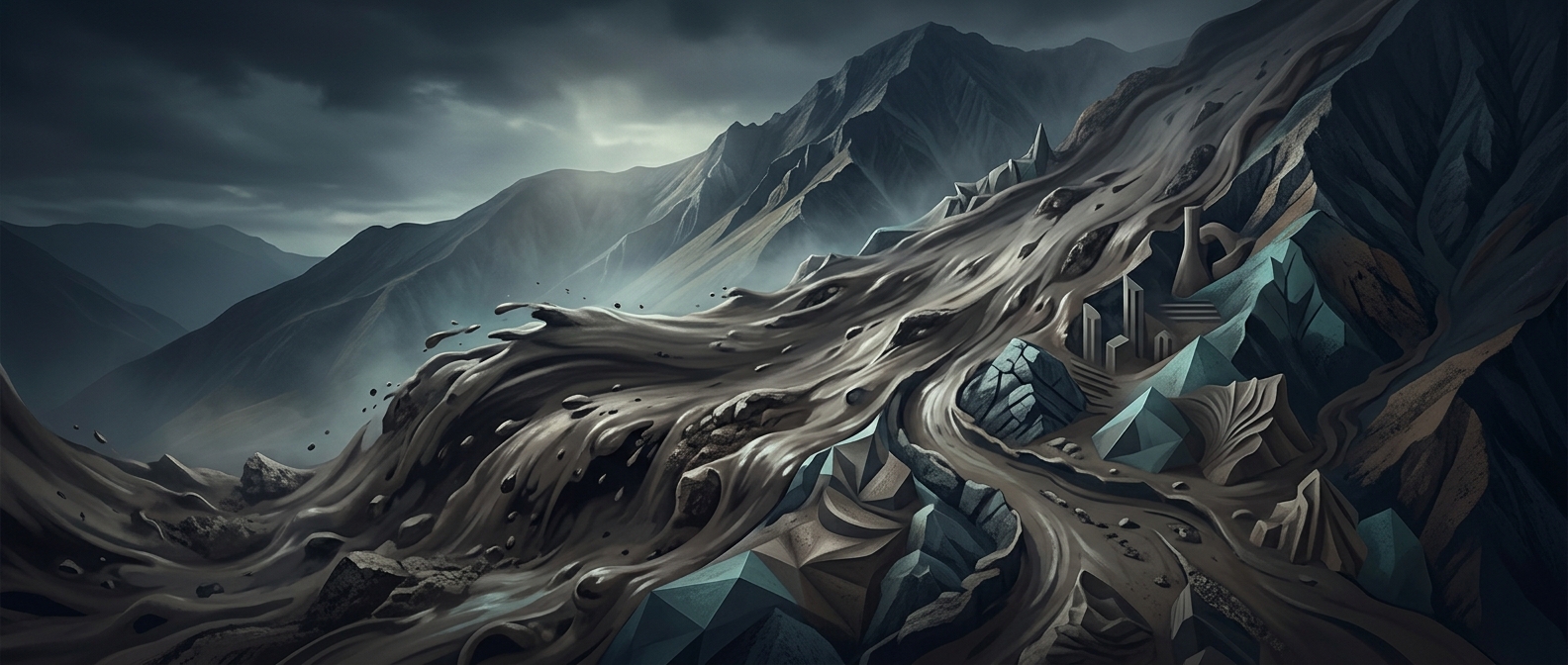
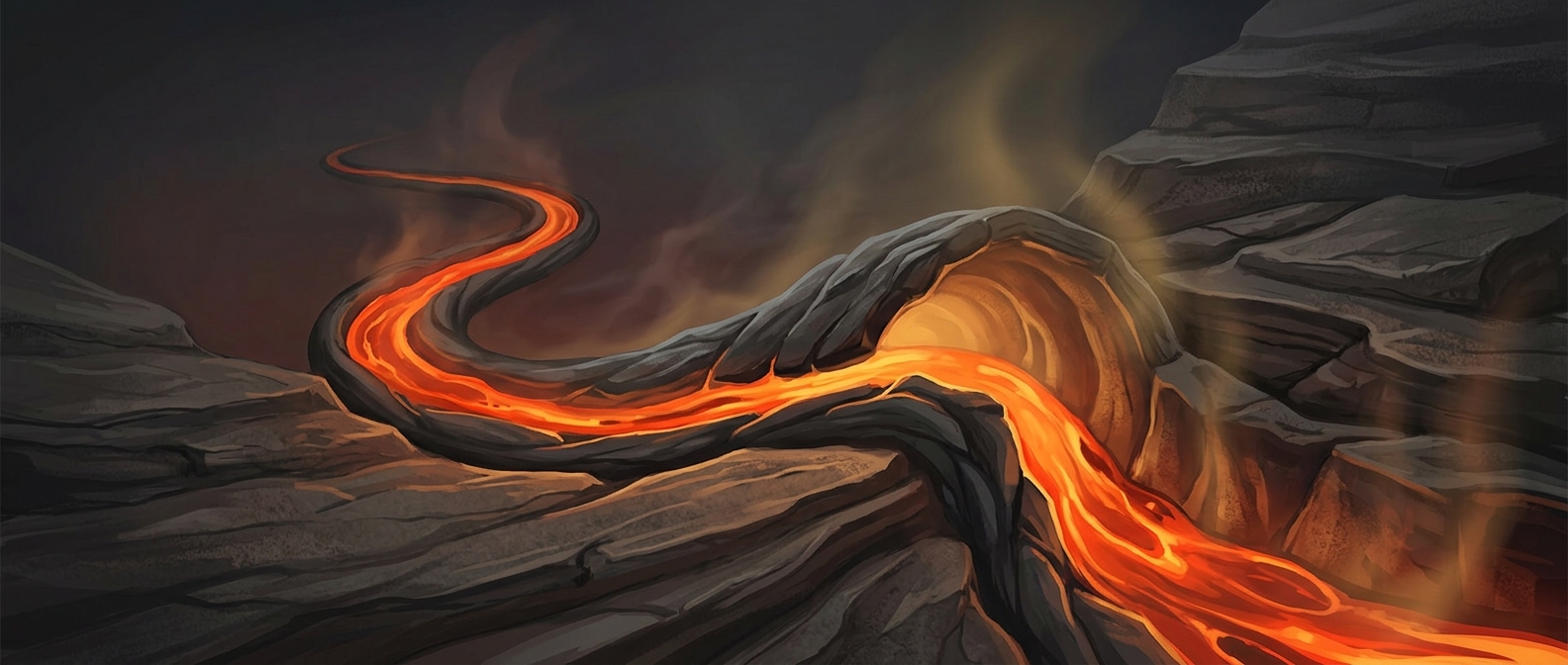
Pumice begins as gas-rich magma—molten rock underground. As magma rises, pressure falls and dissolved gases expand into bubbles, much as bubbles form when a fizzy drink is opened. If the lava cools quickly, it can lock those bubbles in place, leaving a hard rock riddled with cavities. The resulting stone is unusually light for its size; some pieces float because their overall density is lower than seawater’s.
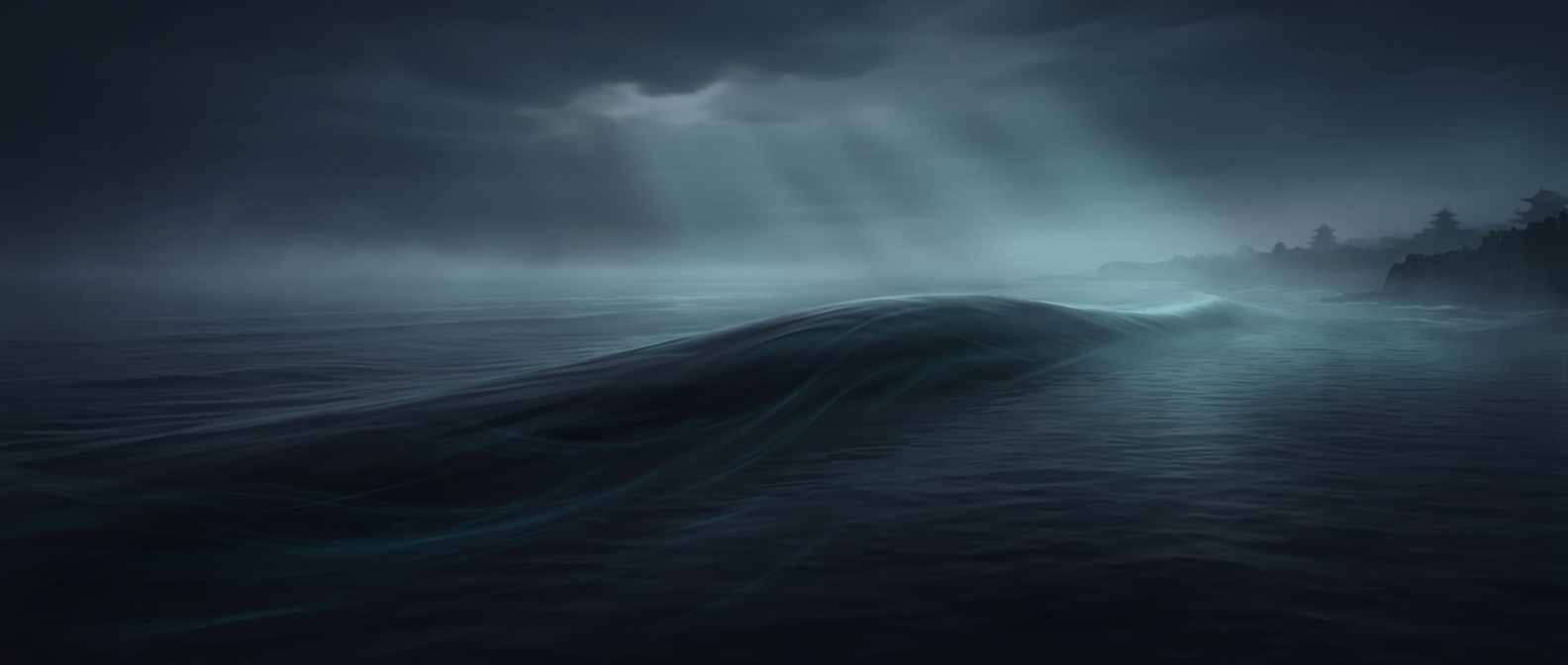
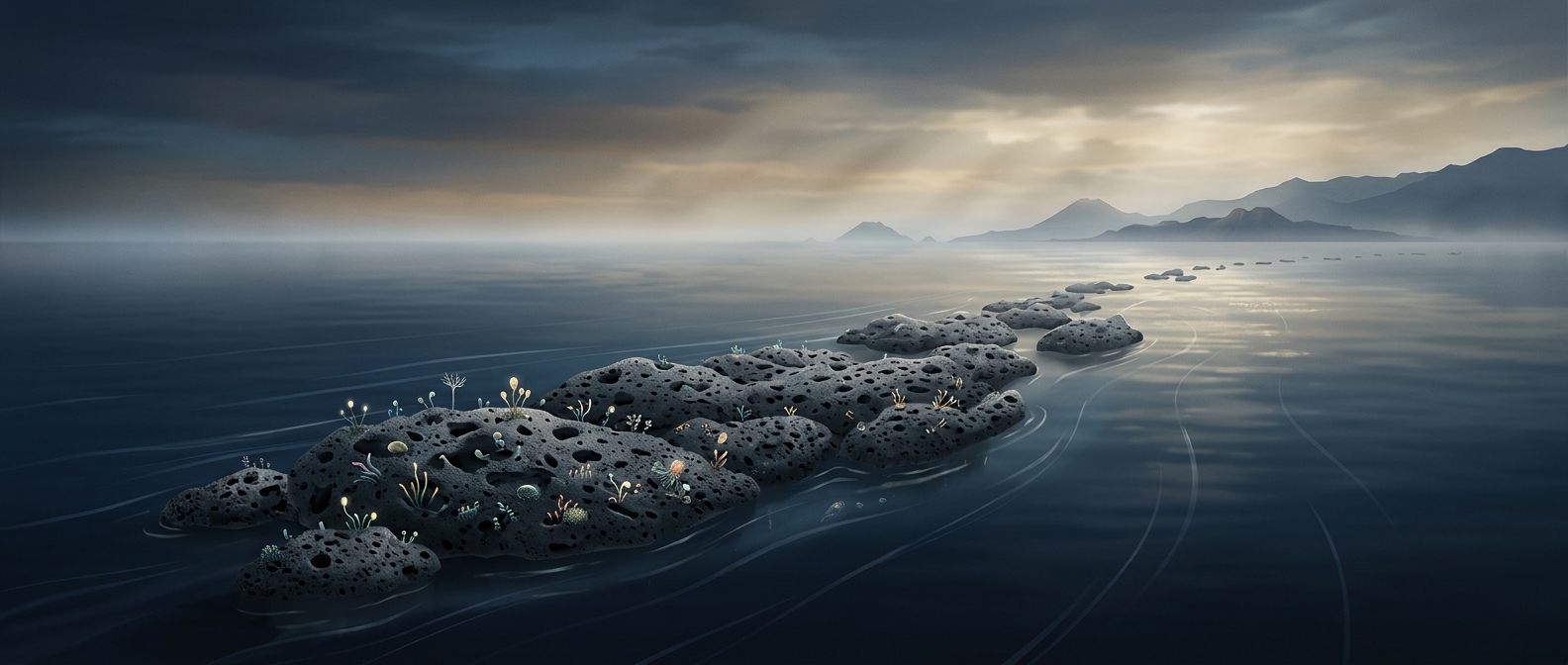
An explosive eruption can scatter pumice over the ocean in enormous numbers. Individual fragments may gather into a floating raft, with pieces jostling together but still exposed to waves, wind, and currents.
A moving habitat, not just cargo
The raft can travel wherever surface currents carry it. Small marine organisms may cling to the rough stone, shelter in its cavities, or live among the fragments. In this way, pumice offers a temporary route for life to move beyond its usual range—something like a natural, shifting island.
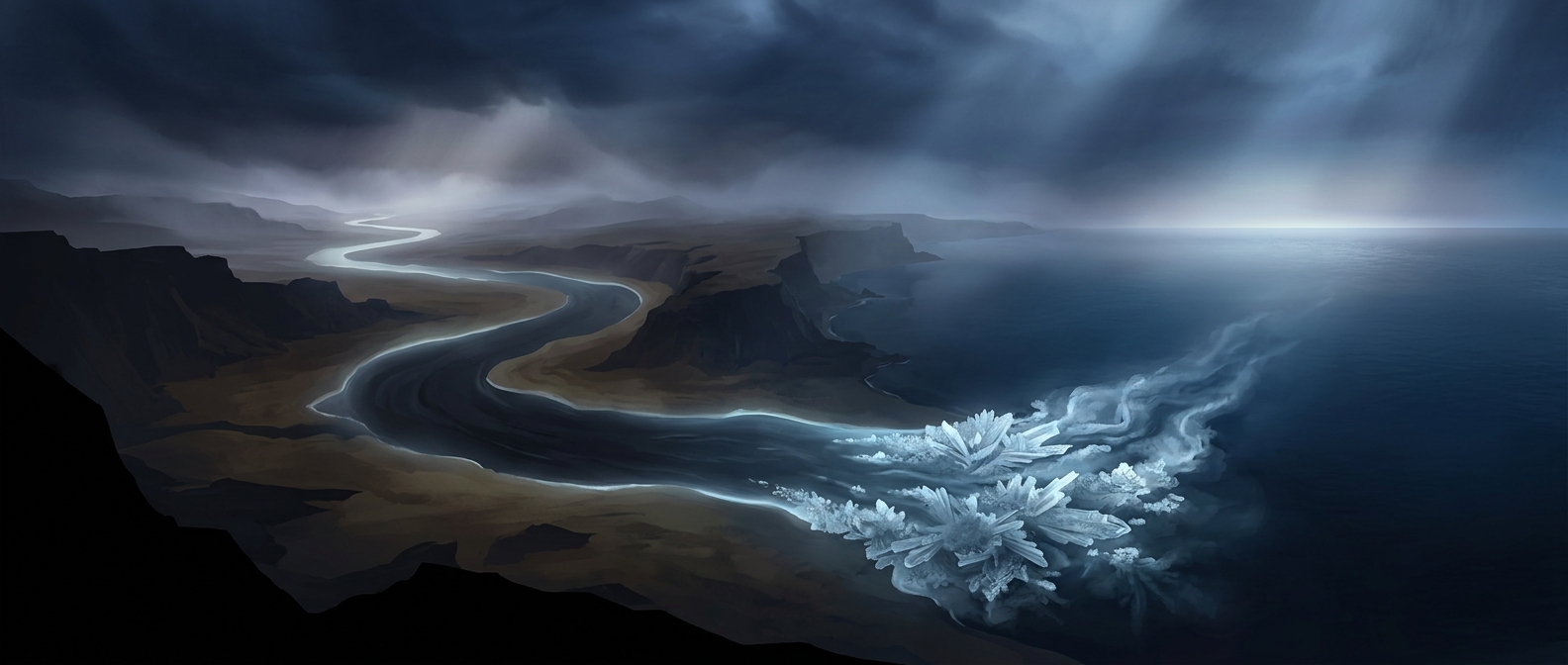
That journey is neither smooth nor guaranteed. Waves break rafts apart, and fragments gradually take on water. As their buoyancy declines, they sink; others may wash ashore. The route and distance depend on where the eruption occurs and how currents carry the debris.
When the voyage ends
For organisms aboard, arrival on a distant coast can create an opportunity to settle in a new place, though survival depends on finding suitable conditions. Pumice therefore transports more than rock: for a time, a volcanic fragment can function as both vessel and habitat. Its passage ends when it sinks or beaches, leaving the ocean’s currents to determine where its passengers are delivered.