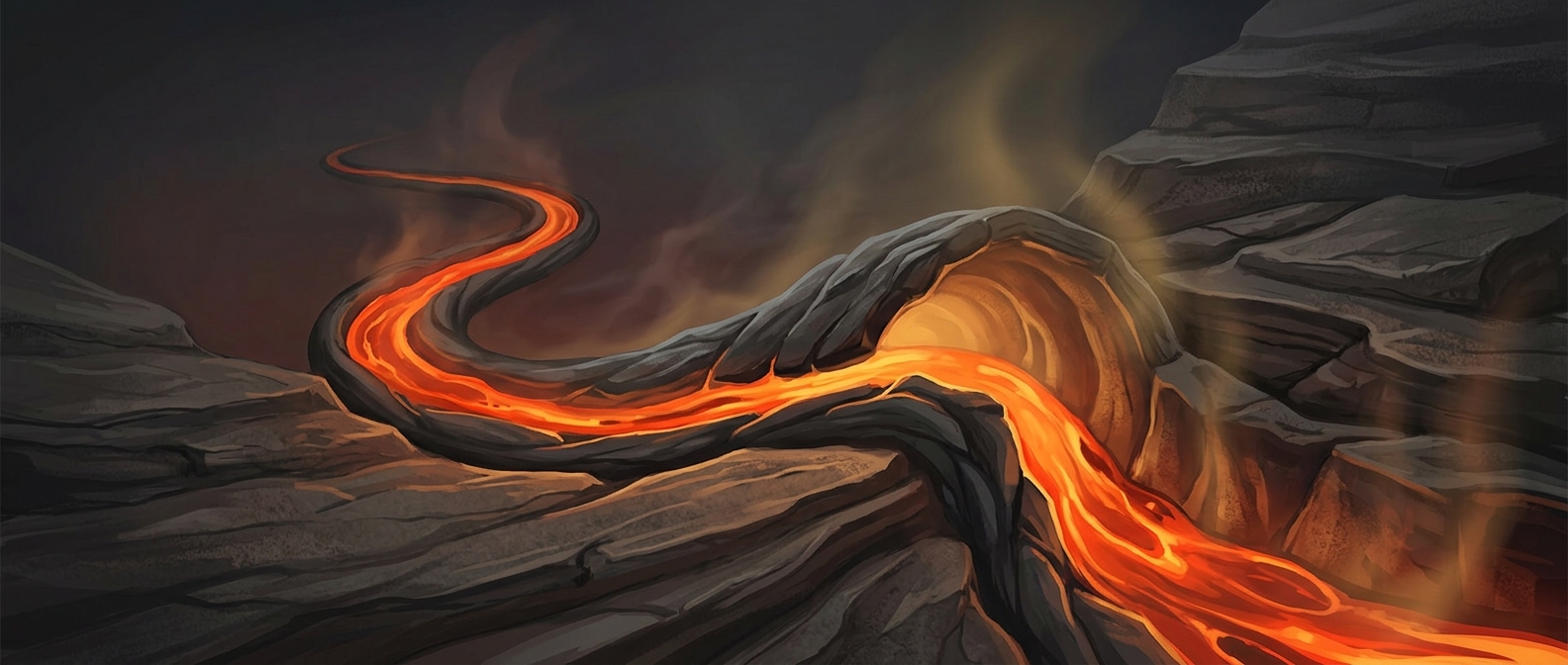
A moving flow can turn into a covered channel
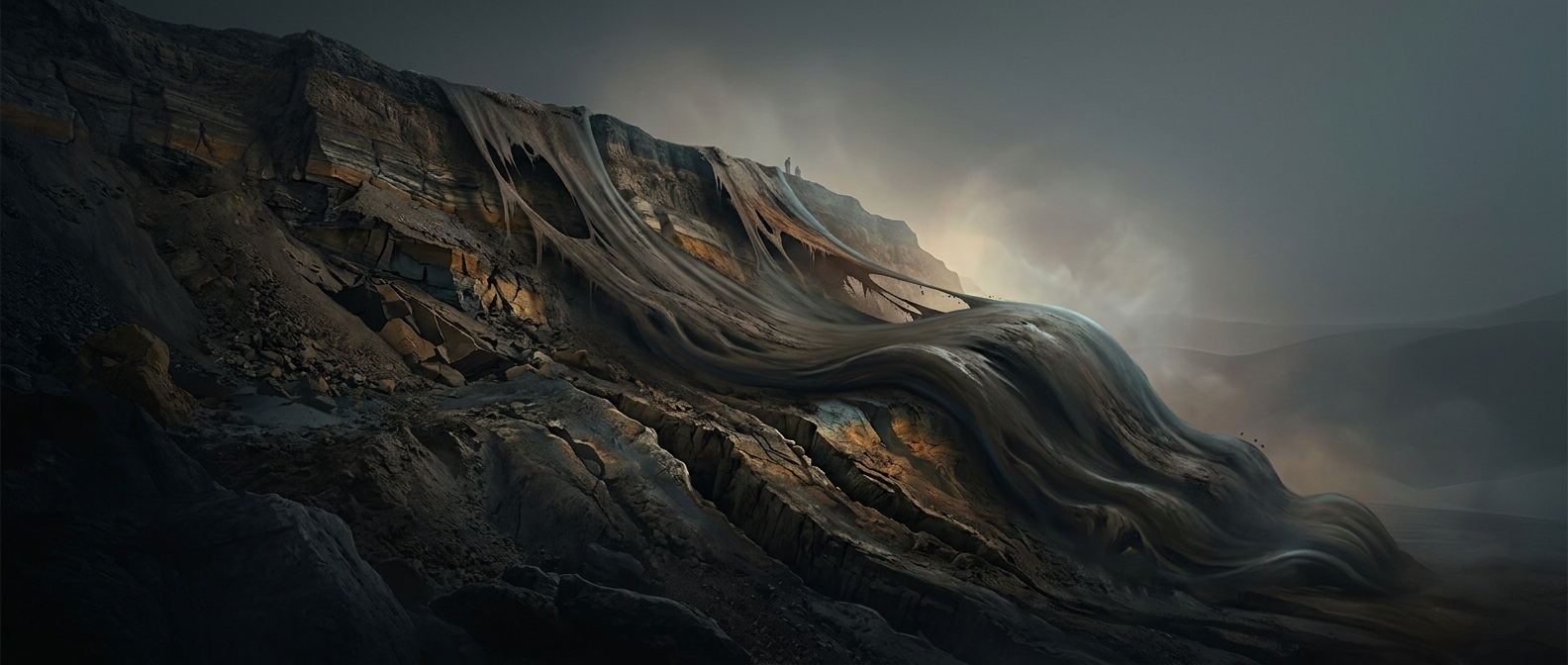
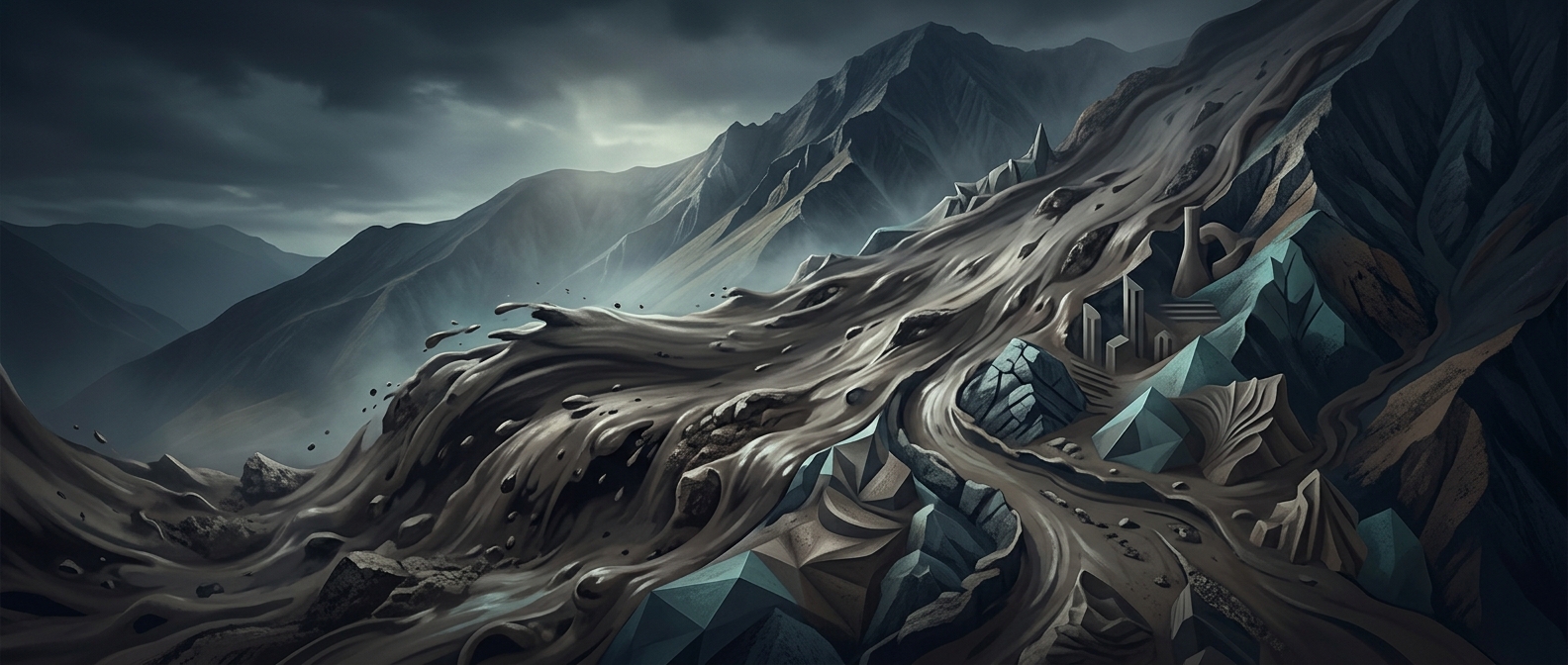
Lava does not cool evenly. The exposed surface loses heat to the air and quickly forms a solid skin, while hotter lava beneath it keeps moving. Along a flow’s edges, cooling lava can also build up raised banks. Together, the crust and banks help confine the moving rock to a channel.
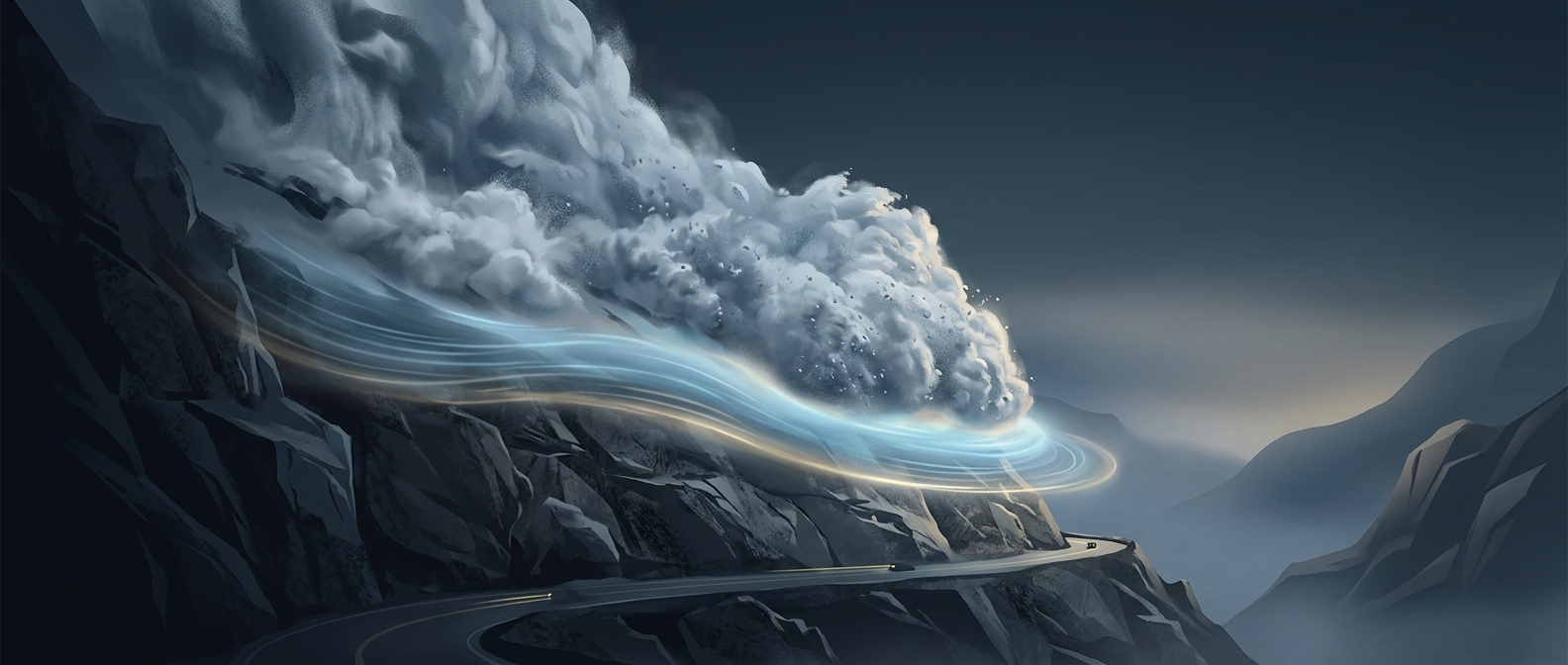
As the crust thickens and spreads across the channel, it can form a roof. The result is a lava tube: a natural conduit that carries molten rock beneath an insulating shell. Because the roof limits heat loss, lava inside can stay fluid and travel farther than it would in an open, exposed flow.
The tunnel is made by the lava it carries
A tube can grow while the eruption continues. Fresh lava passes through the covered channel, keeping its interior hot; the crust above it continues to solidify. When the supply wanes or the flow changes course, the remaining lava drains downhill. If enough of it escapes, an empty passage remains beneath the surface.
The process depends on conditions that let a crust form without the lava inside freezing solid. Not every lava flow produces a tube, and some passages are left partly filled or later collapse. Where a roof gives way, it can leave an opening—often called a skylight—through which the passage is visible.
A route preserved after the eruption
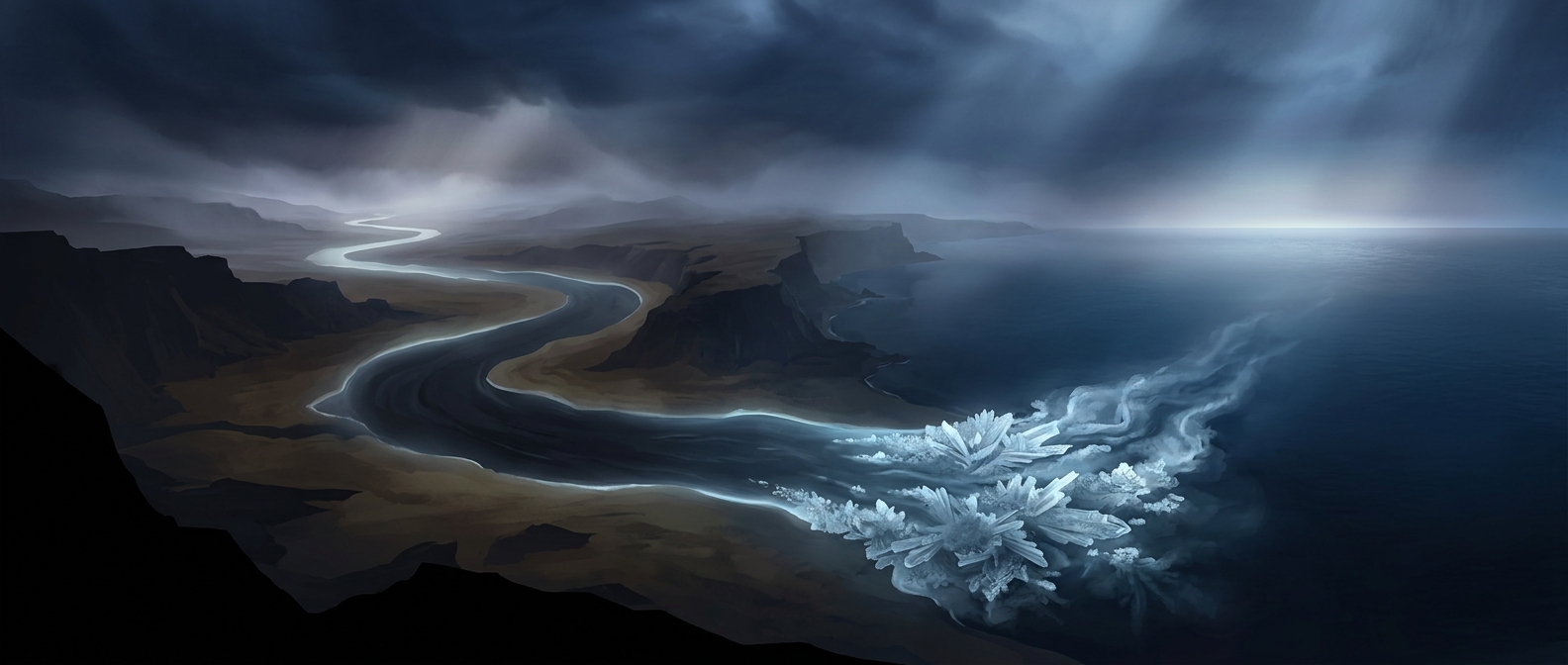
For a time, the tube serves as a protected route for the flow, carrying lava beyond the exposed front. Afterward, the same route can remain as a cave in the volcanic landscape. Its shape records the path the lava took, while openings or collapsed sections reveal where the underground conduit once ran.