How the Chest Muscle Turns the Upper Arm
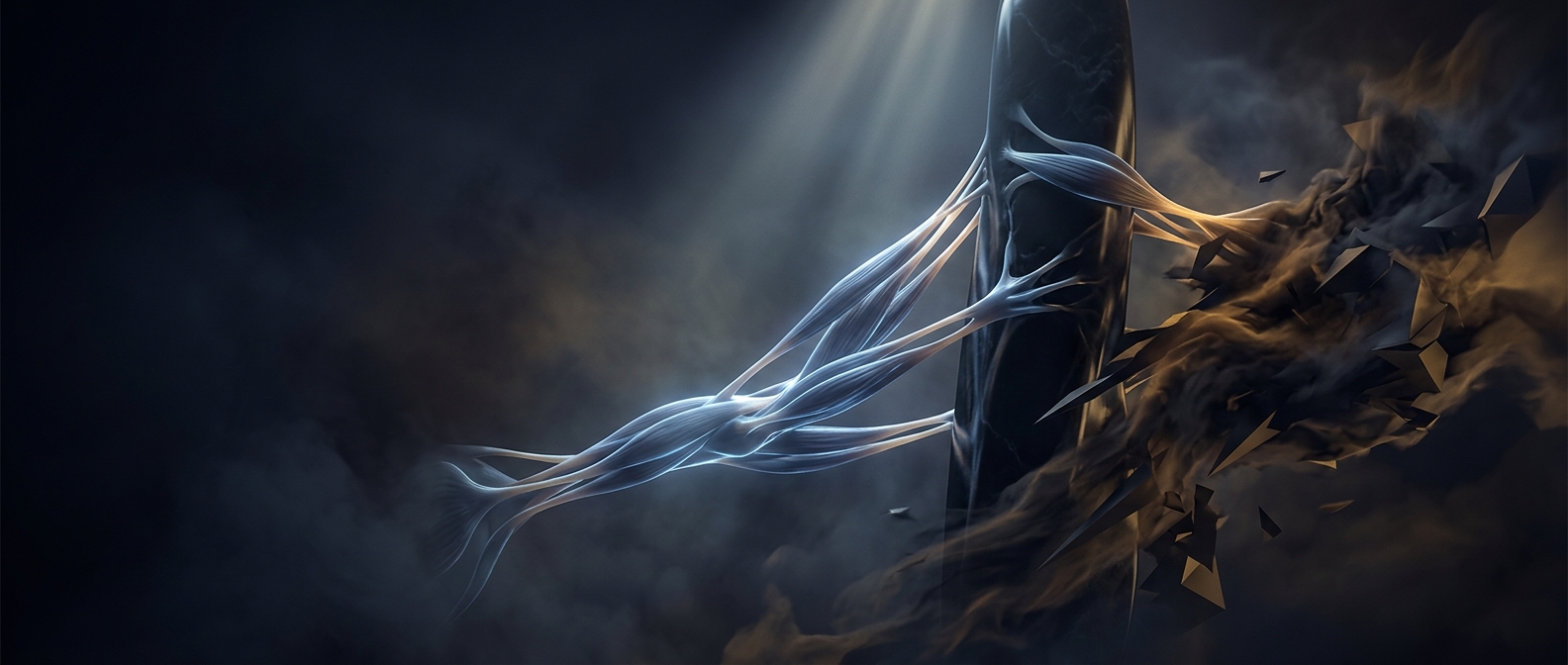
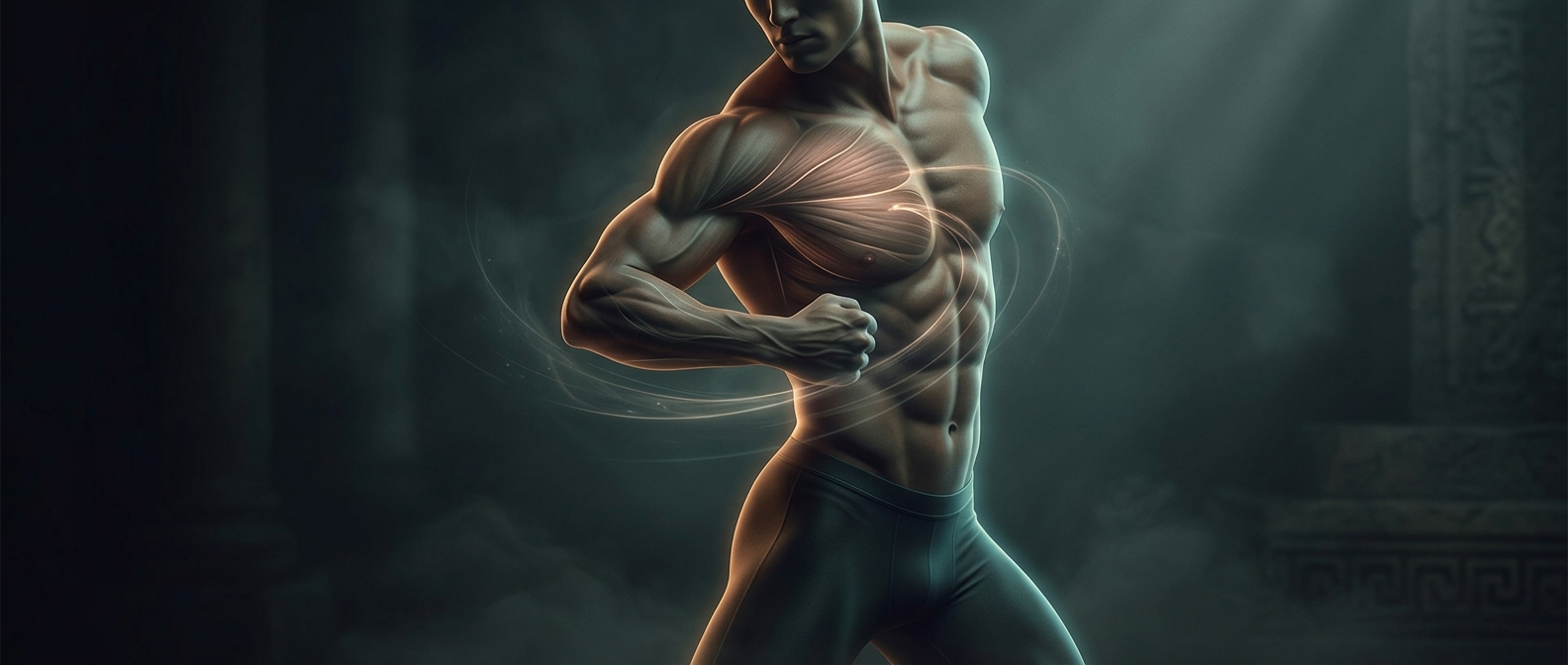
The pectoralis major is the broad, fan-shaped muscle across the front of the chest. It attaches to the upper arm bone, so when it shortens, it pulls on that bone rather than moving the chest itself. The direction of the pull depends on the arm’s position, but one key action is internal rotation: turning the upper arm inward so the front of the arm faces more toward the body.
Why the Attachment Matters
A muscle can move a joint only by pulling across it. The pectoralis major begins on the chest and collarbone and crosses the shoulder to attach to the humerus, the upper-arm bone. That route lets it draw the arm across the front of the body and rotate it inward. It also helps bring a raised arm down toward the torso.
These actions are useful in everyday movements such as pushing a heavy door or reaching across the body. In throwing, inward rotation contributes to the arm’s rapid forward motion, but it is not a solo effort: muscles around the shoulder and shoulder blade help position and stabilize the joint, while other muscles contribute to the throw’s force and control.
A Powerful Pull, Shared Work
The pectoralis major is large, but size alone does not determine how a movement happens. Its effect comes from where it crosses the shoulder and where it attaches to the arm. The same pull can contribute to more than one motion, and the shoulder’s changing position affects which action is most pronounced. That is why a forceful throw depends on coordinated muscles rather than on the chest muscle acting by itself.