When a TV makeover became a suspension problem
A car’s suspension does more than smooth out bumps. Springs support the vehicle’s weight, while shock absorbers control how quickly the body moves; together, they help keep the tires planted on the road. Add substantial equipment—such as oversized components or elaborate interior fittings—and the car is carrying a load its original setup may not have been designed to handle.
That extra weight can make the suspension sag and leave less room for it to absorb bumps. If the load is uneven, it can also affect how the car sits and handles. The tires may have less consistent contact with the road, and steering or braking can become less predictable. The strain can also accelerate wear or damage suspension parts.
The difference between a dramatic build and a road-ready one
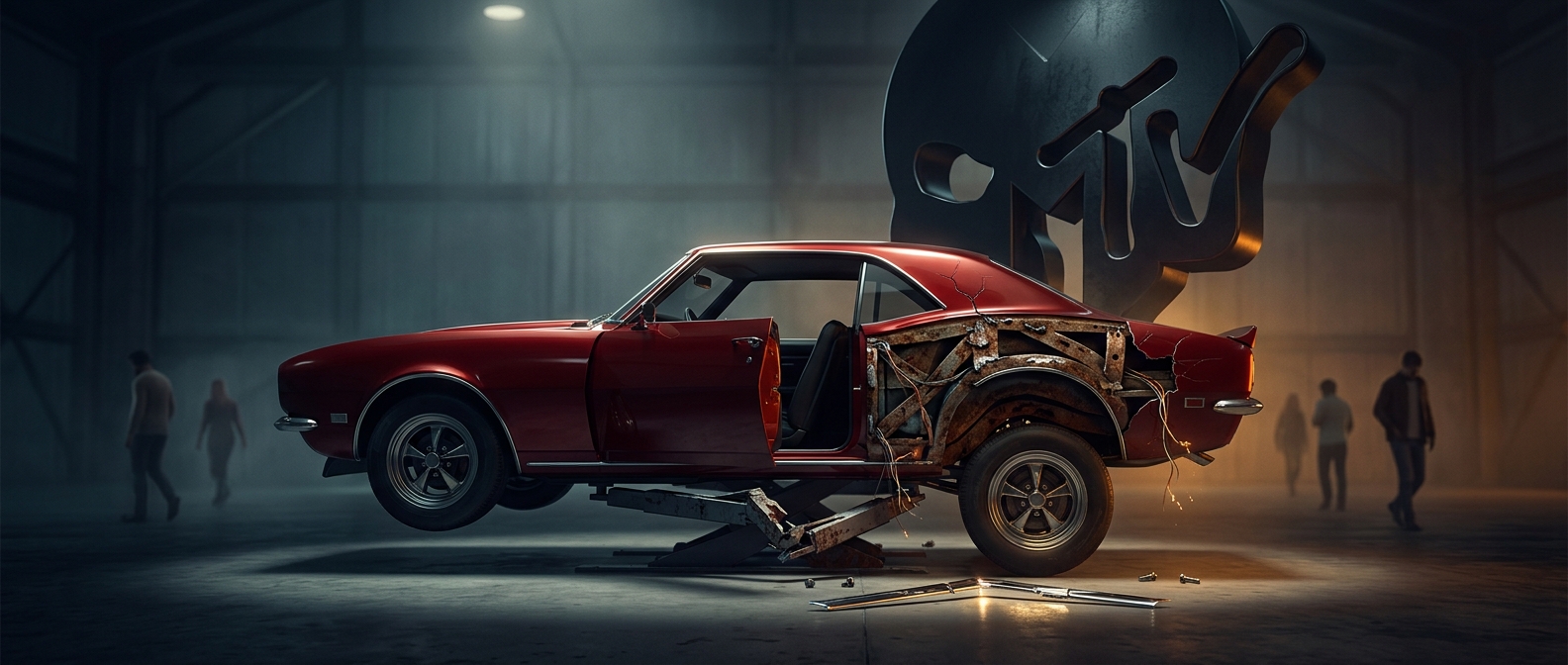
A television makeover rewards changes viewers can see: a striking interior, conspicuous equipment, or a dramatic transformation. But appearance alone does not show whether a car can safely carry the new load. A roadworthy build has to account for the weight and placement of every addition, then ensure the suspension and other affected systems can cope with them.
That is why heavy add-ons can turn a flashy finished car into a practical problem. The modification is not just decoration once it changes how much weight the car carries and how that weight is supported. A vehicle can look complete on camera while still needing engineering work before it is safe to drive.