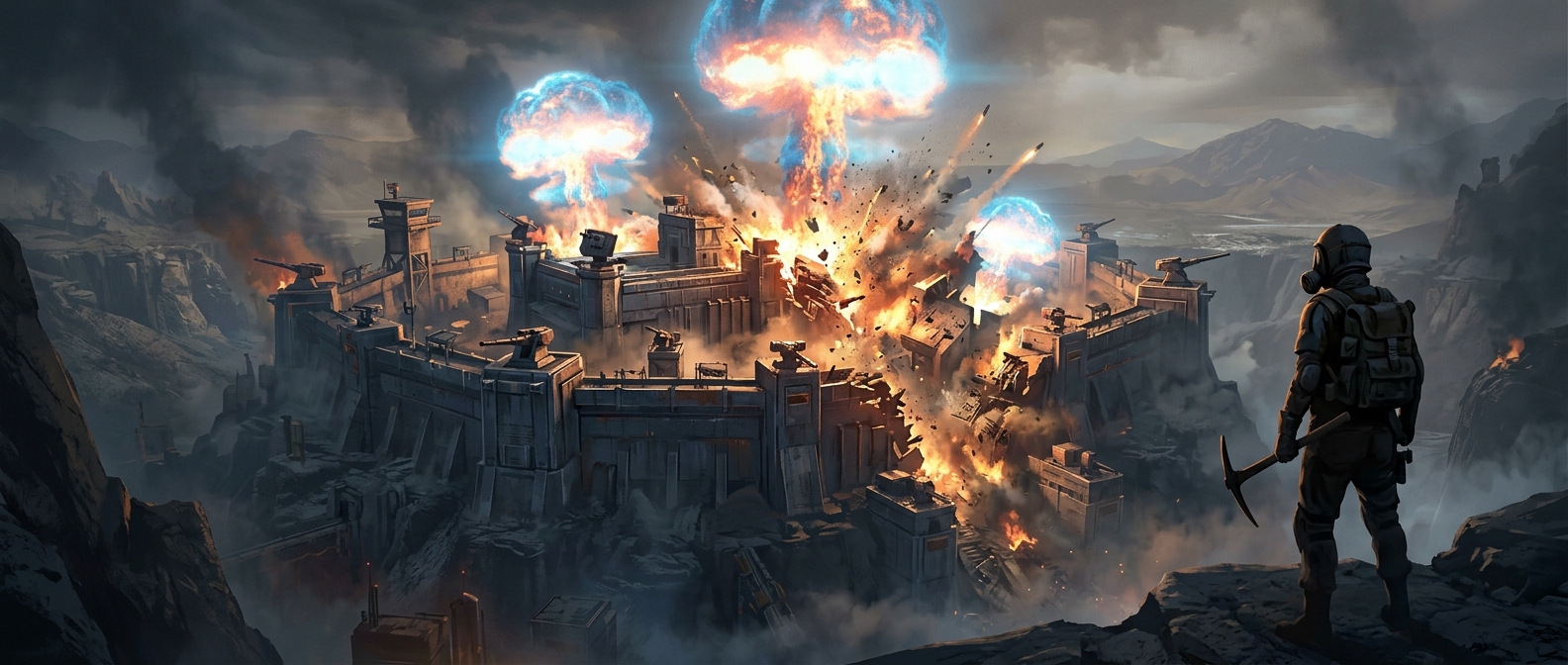
Why a Rust world has an expiration date
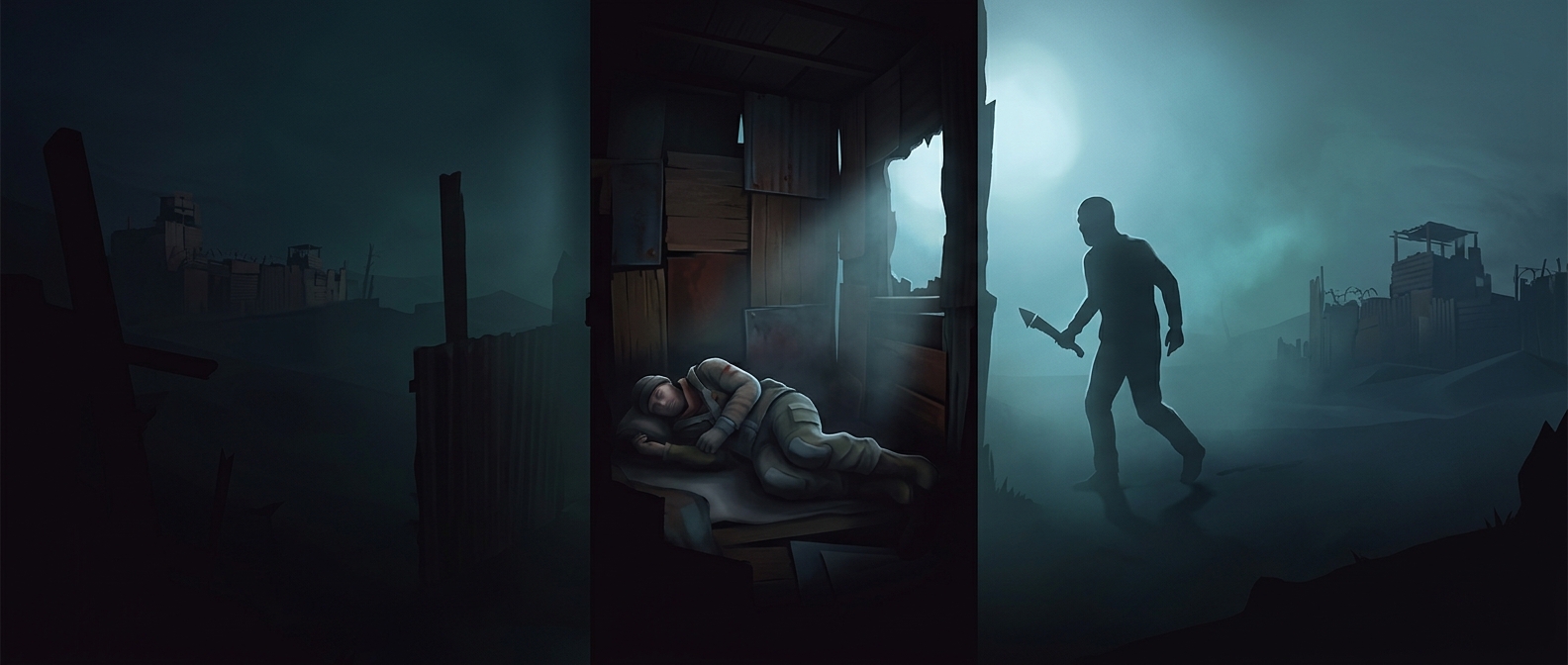
A Rust server is not just a place to play; it is a shared world whose resources and structures persist between sessions. Players gather materials, build bases, learn crafting recipes, and store supplies. Because other players can break into bases and take what is inside, accumulated wealth can become a powerful advantage: a well-equipped group can raid more easily, defend its territory, and gather still more resources.
Over time, that advantage can make a server feel settled. New arrivals may find the best locations occupied and established groups difficult to challenge. A wipe interrupts that cycle by deleting the world’s accumulated progress and starting the server over.
What gets reset—and what that changes
A wipe usually clears the map’s player-built bases, stored items, and other world progress. Some servers also erase learned blueprints—the recipes that let players craft particular items—while others keep them. The exact reset depends on the server and its rules.
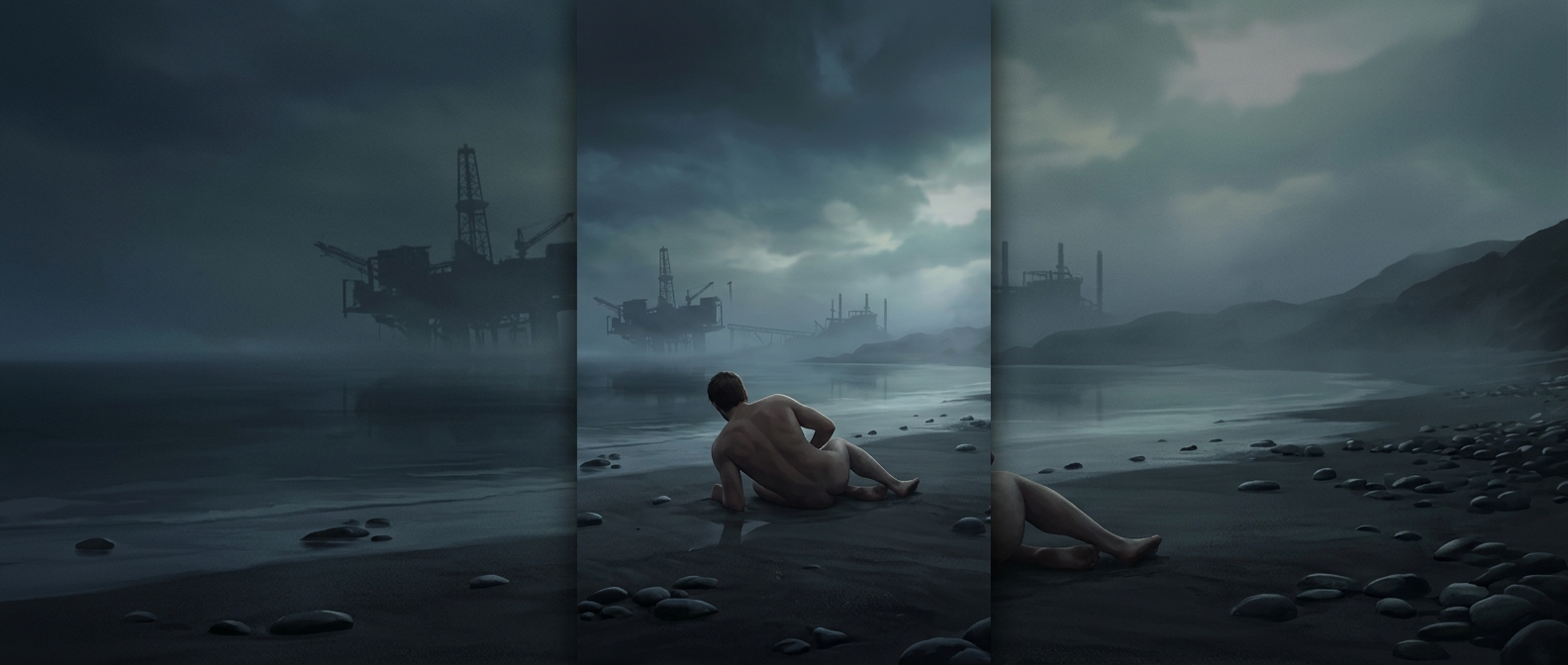
The reset turns familiar terrain into a race for the basics again: shelter, materials, and equipment. Groups must decide where to build and what to pursue without relying on their old stockpiles. That does not make every player equally skilled, and organized teams still have an advantage, but it removes the physical assets that made one group’s lead so hard to overcome.
A recurring restart keeps the contest moving
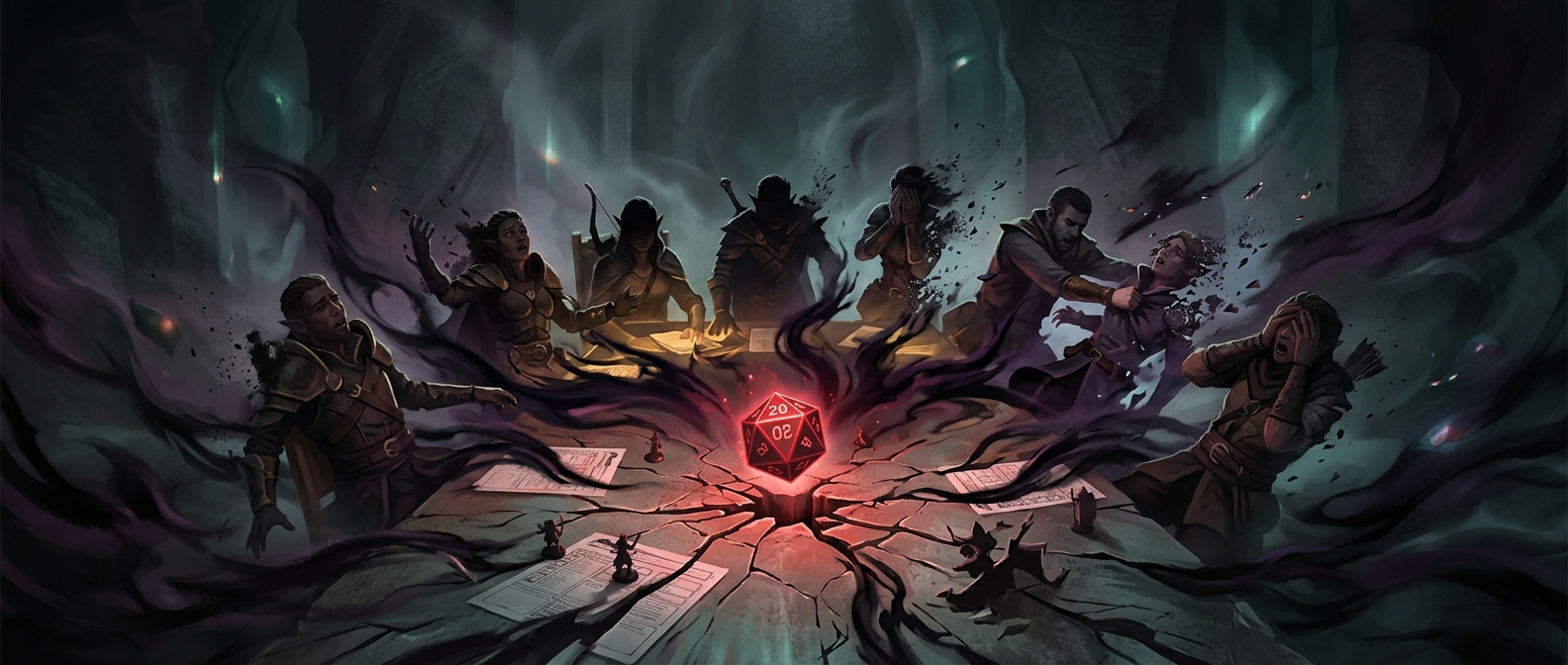
Wiping is therefore part of how a persistent survival game manages its own success. The same continuity that makes a hard-won base feel valuable can eventually make the world feel closed to newcomers. Regular restarts sacrifice that long-term investment to renew exploration, competition, and the scramble to build. A player’s fortress may disappear, but the next server cycle gives even a familiar patch of land a new set of owners—and new reasons to fight over it.