A Working Archive, Not One Book
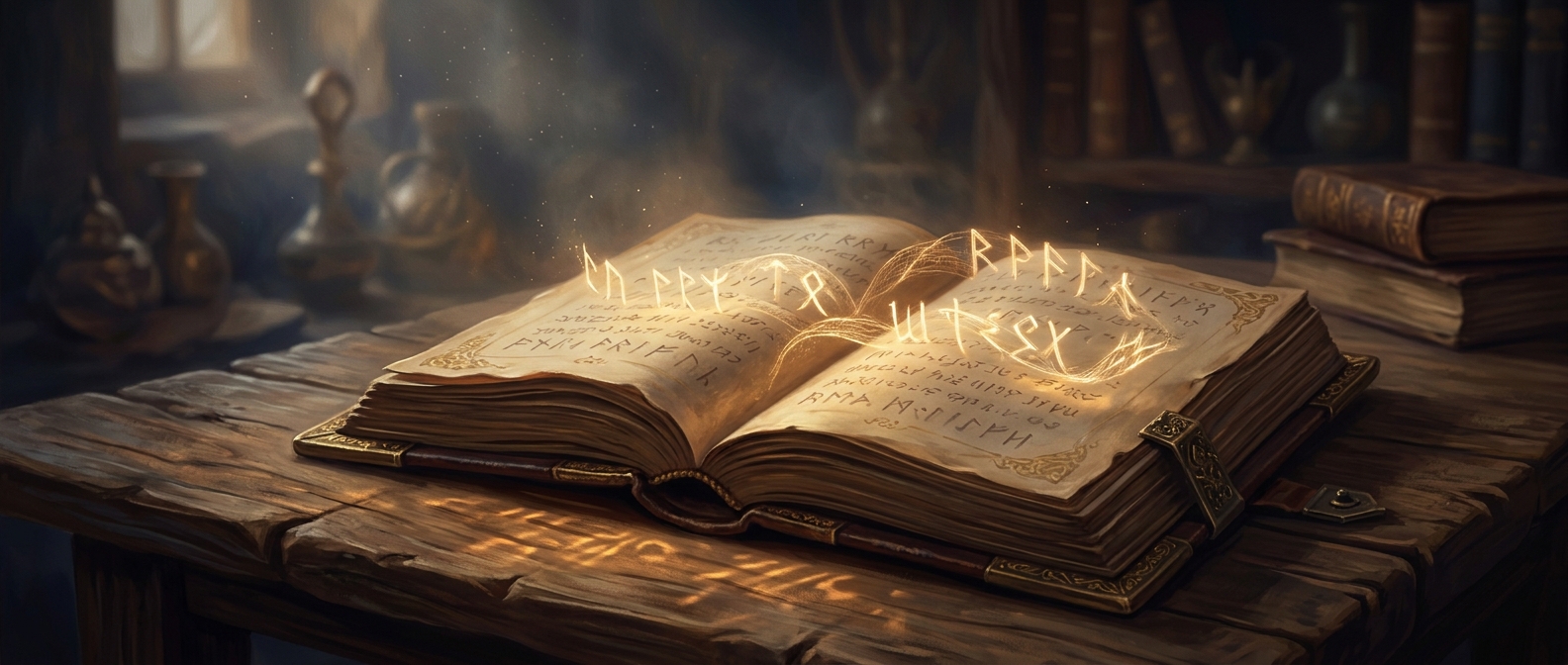
The Greek Magical Papyri are a modern name for a group of ancient ritual texts preserved on papyrus in Egypt. They were not a single handbook written by one author. Their pages bring together instructions and formulas from different settings, including spells meant to influence love, health, business, and personal disputes.
That practical range is part of what makes them revealing. The texts treat magic as something a person might try when ordinary persuasion or control seemed out of reach: a rival could be targeted, or another person’s feelings made the object of a ritual.
How a Spell Was Supposed to Work
Many instructions combine spoken words with physical actions and materials. A practitioner might recite a formula while handling a substance or carrying out a prescribed act. The materials were not merely decorative: performing the steps was part of what gave the ritual its form and purpose. A spell involving bat blood, for example, makes the body and the ritual object part of the attempted influence—not just the words on the papyrus.
The texts also draw on a mixed religious world. Their formulas can invoke divine or supernatural powers alongside practical directions, reflecting the varied traditions that met in Greco-Roman Egypt. The result is less like a neatly organized system of belief than a collection of techniques for specific problems.
Intimate Anxieties in Ancient Egypt
These spells do not show that magic reliably produced its promised results. They show what people hoped to change, and how urgently they might try to change it. A wish to keep a rival awake or to make someone fall in love turns broad ideas about ancient religion into recognizable human motives: competition, frustration, and desire.
Because the papyri preserve instructions rather than just official religious ideals, they offer a rare glimpse of magic at its most personal—down to the materials someone thought might help bend another person’s attention or fortune.