How a Toilet Flush Uses a Siphon
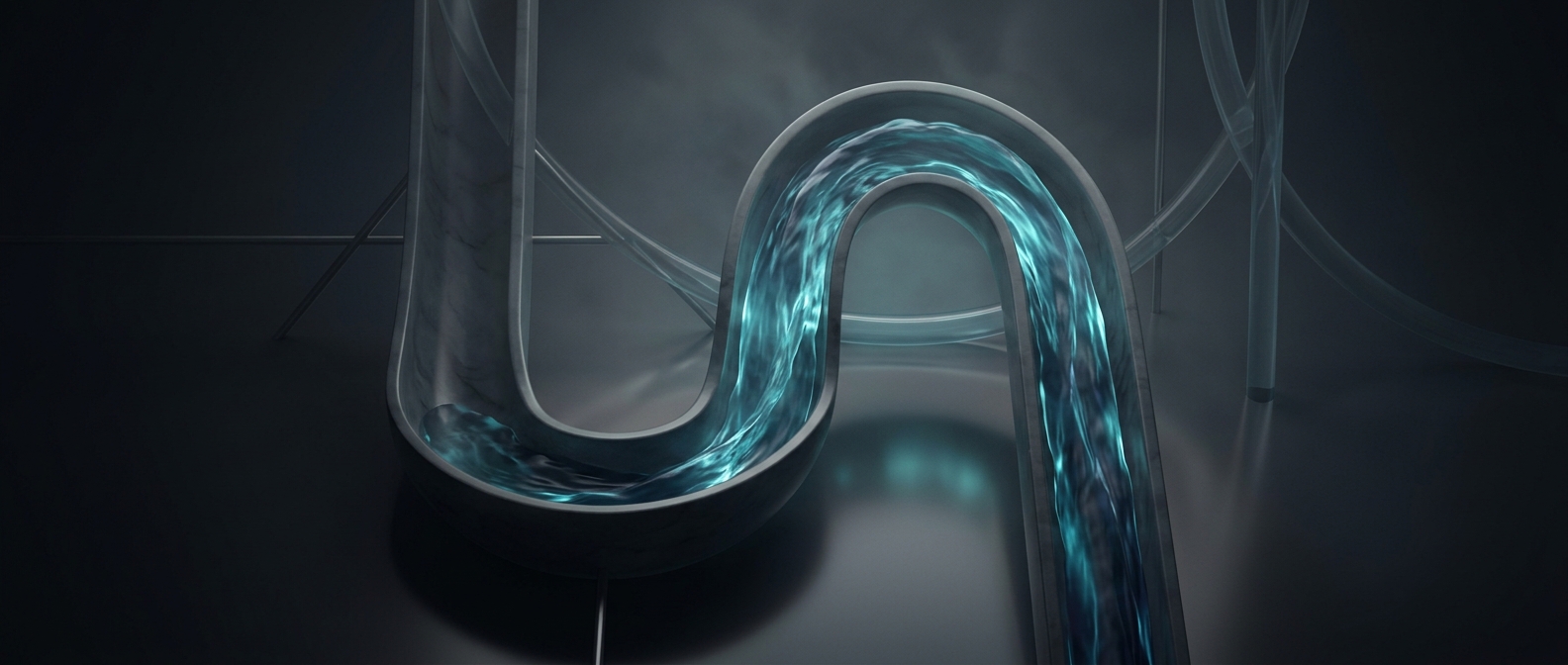
A toilet bowl holds water in a curved passage called a trap. The bend keeps a pool of water between the bowl and the sewer, blocking odors from coming back into the room. During a flush, water released from the tank pours into the bowl quickly enough to raise its level and fill the trap’s outlet passage.
The Water Starts the Pull
Once water flows continuously over the bend and down the outlet, gravity pulls that moving column toward the drain. The water descending through the pipe creates lower pressure behind it, drawing more water—and the bowl’s contents—along. This is a siphon: a continuous column of liquid that carries water over a rise and downward to a lower point.
The flush does not depend on the tank forcing waste through the pipe under high pressure. The tank supplies a brief, fast surge that gets the siphon going; gravity does most of the work. As the bowl empties, air enters the trap and breaks the continuous water column. The siphon stops, leaving water behind in the bowl to restore the odor-blocking seal.
Why the Bowl Refills
After the siphon ends, a smaller stream from the tank refills the bowl and the trap. The curved passage therefore performs two jobs: it lets a flush carry waste away, then retains enough clean water to seal the drain. A flush is complete only when the siphon has stopped and that protective pool has returned.