Why a Cheaper Metal Can Still Carry Current
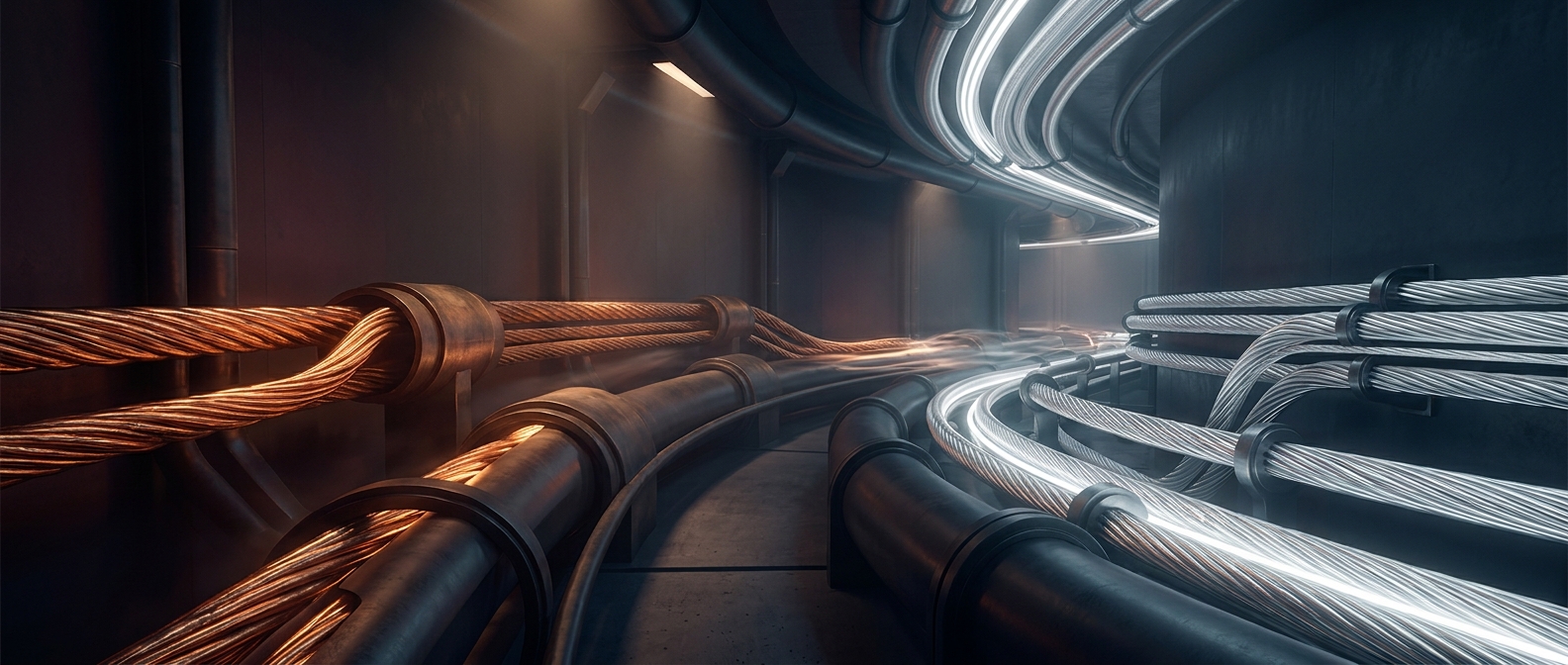
Copper is an excellent conductor, but it is also costly and relatively heavy. Aluminum offers a lower-cost alternative, especially in long runs where the metal itself makes up much of a cable’s expense. It weighs less, too, which can make large cables easier to support and install.
The tradeoff is that aluminum does not carry as much current as an equal-sized copper conductor. To do the same job, an aluminum wire generally needs a larger cross-section. That can affect cable size, connectors, and the space available for routing it. So switching metals is not a simple one-for-one substitution: the surrounding equipment must be designed for the material.
The Connection Is the Critical Point
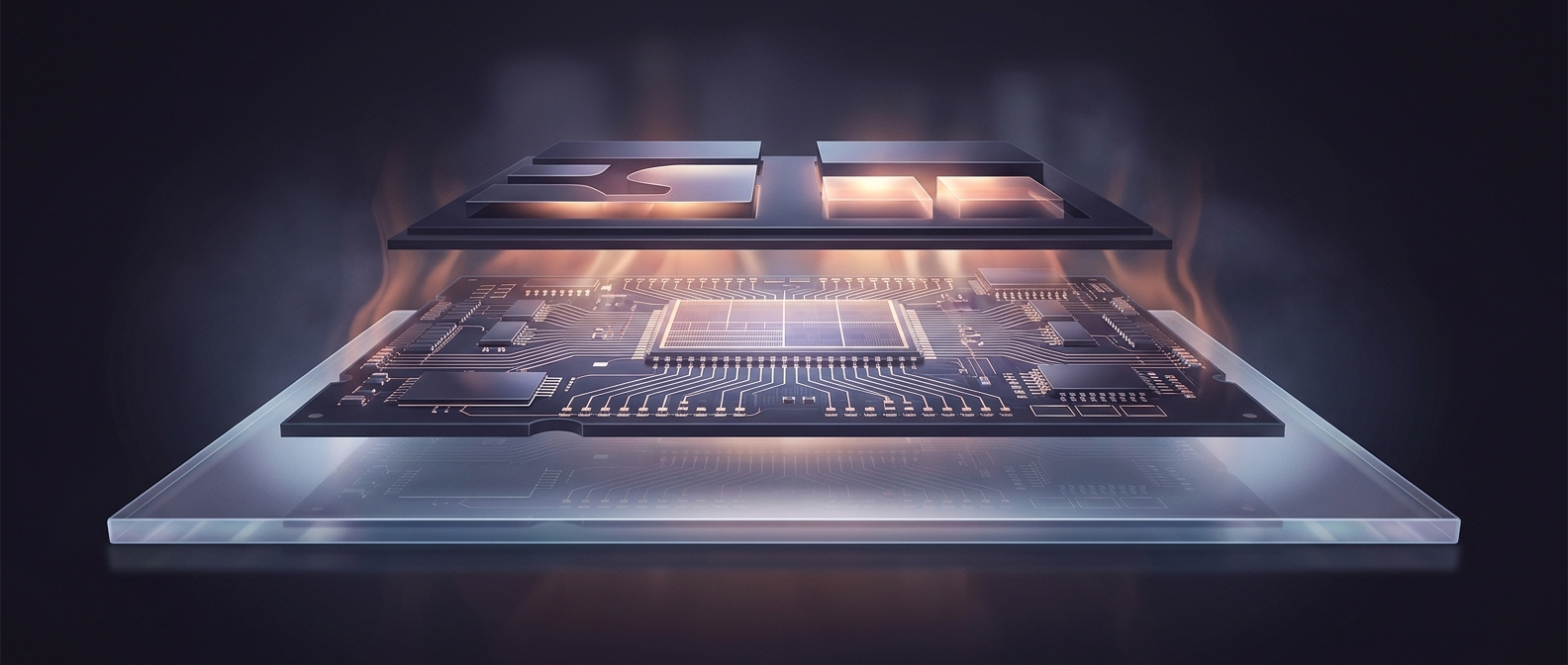
At a wire’s ends, the metal must meet a terminal tightly and stay that way. Aluminum expands and contracts more with temperature changes than copper, and its surface quickly forms a thin oxide layer. If a connection loosens or is poorly prepared, resistance at that point can rise. Resistance creates heat, so the joint—not just the wire’s ability to conduct electricity—becomes a key safety concern.
That is why aluminum wiring calls for compatible terminals and installation practices. Its lower price does not make every copper application an easy candidate for conversion; the whole connection system matters.
Why Put Copper on Aluminum?
Copper-clad aluminum uses a thin copper outer layer around a lighter aluminum core. The copper surface can provide a familiar contact material at the ends, while the aluminum core reduces the amount of copper used. But the core still has aluminum’s lower conductivity, so the cable’s size and intended use matter. It is a material compromise, not copper performance at aluminum prices.
The broader shift is therefore selective: aluminum’s cost and weight are most attractive where designs can accommodate its different electrical and connection requirements. The practical question is not simply which metal is cheaper, but whether the cable and its terminals are built to work together.