How a Mud Volcano Erupts Without Lava
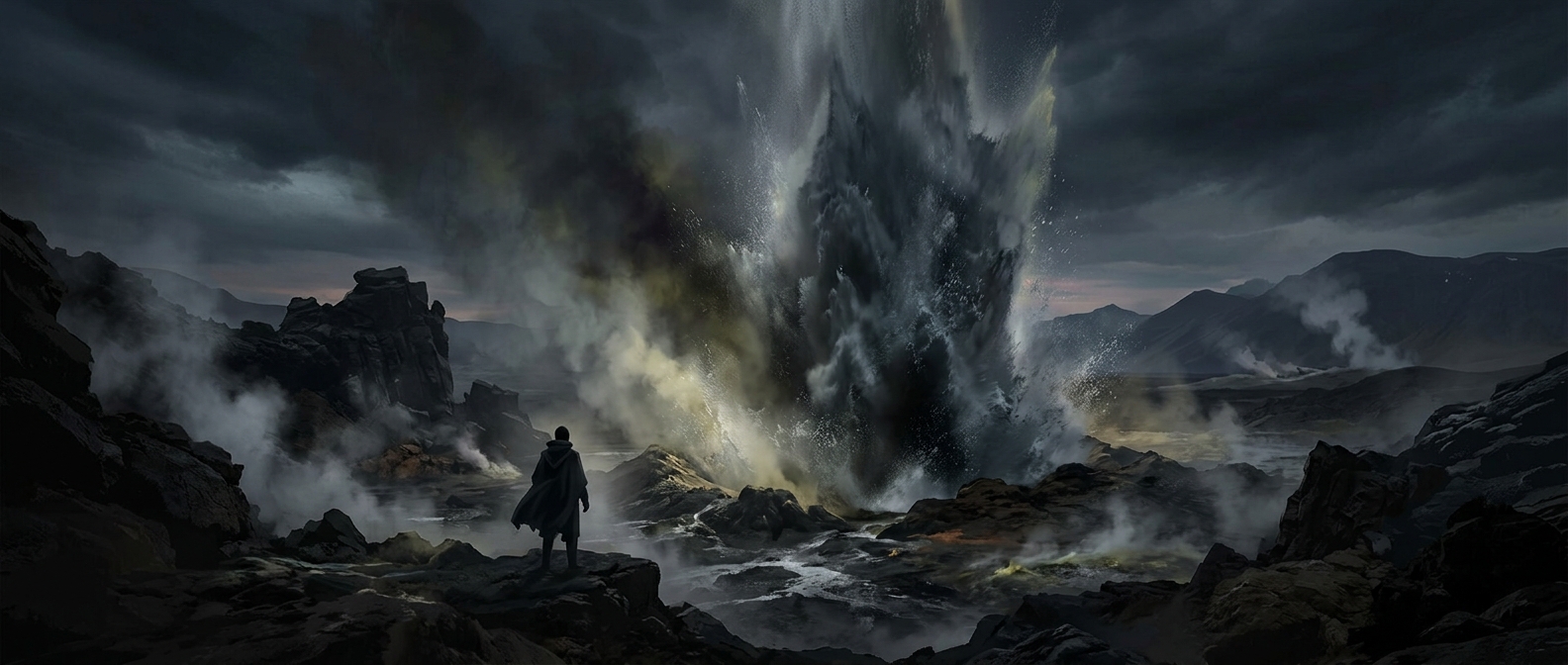
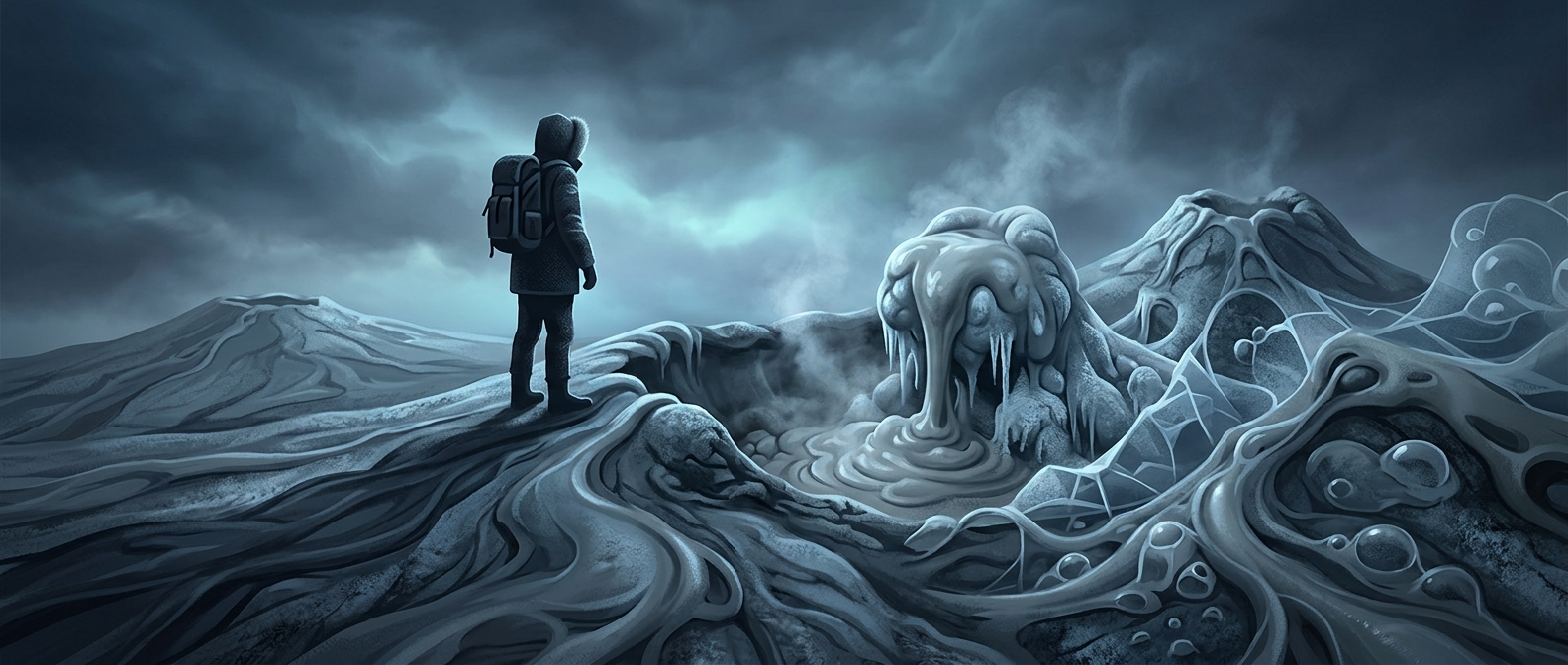
A mud volcano can look like a miniature version of a fiery volcano, but the material rising through its crater is a wet mixture of fine sediment, water, and gas—not molten rock. Pressure from gas trapped underground pushes the mixture upward through cracks and weak spots in the ground. When it reaches the surface, it may bubble, ooze, or burst out in a sudden muddy eruption.
The gas often comes from deep layers of buried sediment. As pressure builds, the escaping gas helps carry water and loose earth toward the surface. The process resembles a shaken bottle releasing pressure, except that the contents have traveled through underground layers before spilling out.
Why the Eruption Is Cold—and Still Powerful
Because magma is not driving the event, the mud is generally cool compared with lava. “Cold” does not mean harmless, though: a forceful surge can spread over the surrounding ground, and a crater’s rim may be unstable. Gas can also escape at the surface, so visitors should keep to safe viewing areas rather than approaching a bubbling vent.
Over time, repeated eruptions can pile up sediment into a low cone, while smaller releases leave pools and patches of mud around the crater. The striking landscape is made by pressure reshaping ordinary earth, not by a river of molten rock.