The chemistry behind the red water
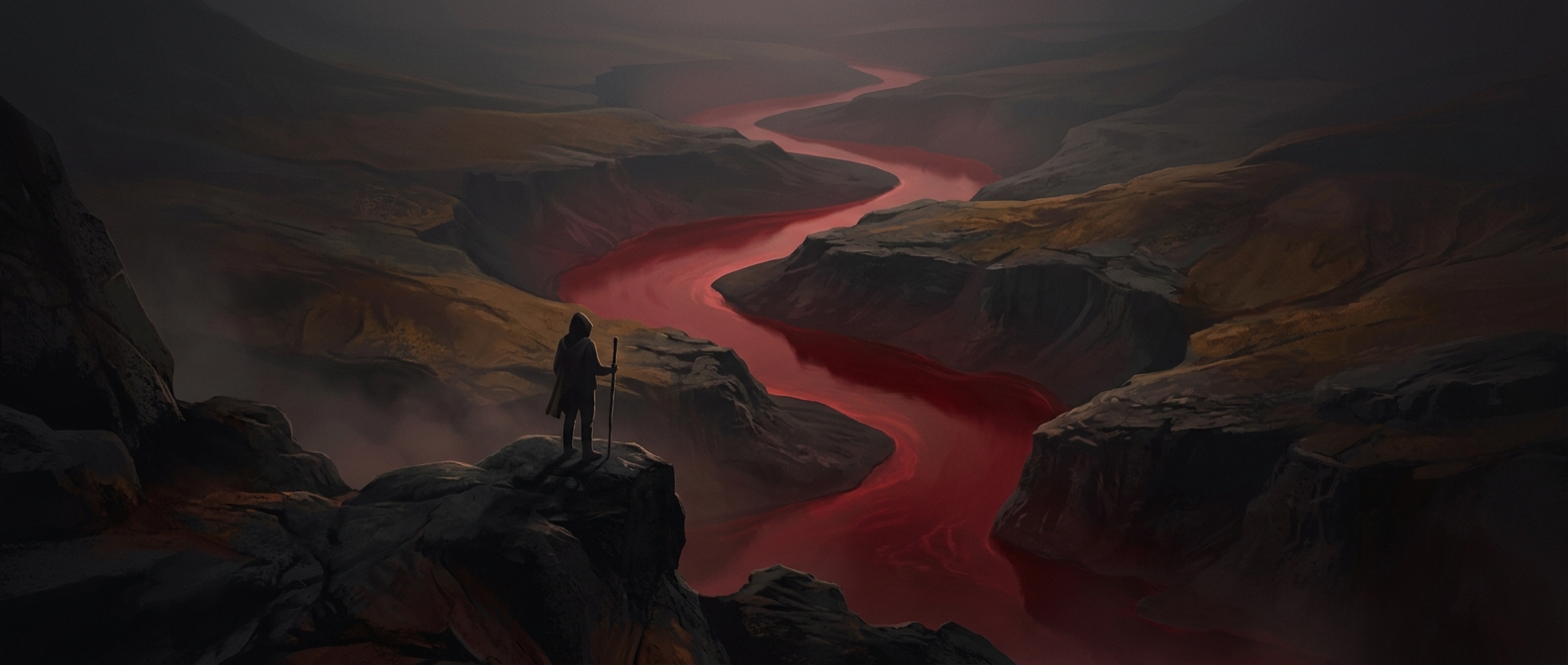
The Río Tinto crosses southwestern Spain’s mineral-rich Iberian Pyrite Belt, where rocks contain abundant iron sulfides. When those minerals meet air and water, they oxidize—a reaction that produces sulfuric acid and releases iron into the water. Mining exposed more of these sulfide-bearing rocks, intensifying the process in parts of the river basin.
The color comes mainly from iron, not from the water simply being stained by red soil. As dissolved iron reacts with oxygen, some forms rusty-colored particles that remain suspended or settle along the riverbed. The acidity helps keep metals mobile, while iron compounds give the water its striking hue.
A harsh environment with its own life
Low pH—the measure of how acidic a liquid is—and dissolved metals make the river hostile to many familiar organisms. Yet some microbes can live in these conditions. Certain species help drive reactions that transform iron and sulfur, so they are not just enduring the chemistry; they can help sustain it.
That combination of vivid color and active microbial life makes the river a natural example of how geology, water, and living organisms can shape one another. Its red appearance is not a surface effect alone: it reflects a continuing chemical process in the rocks and water of the basin.