Why a Bridge Can Freeze Before the Road
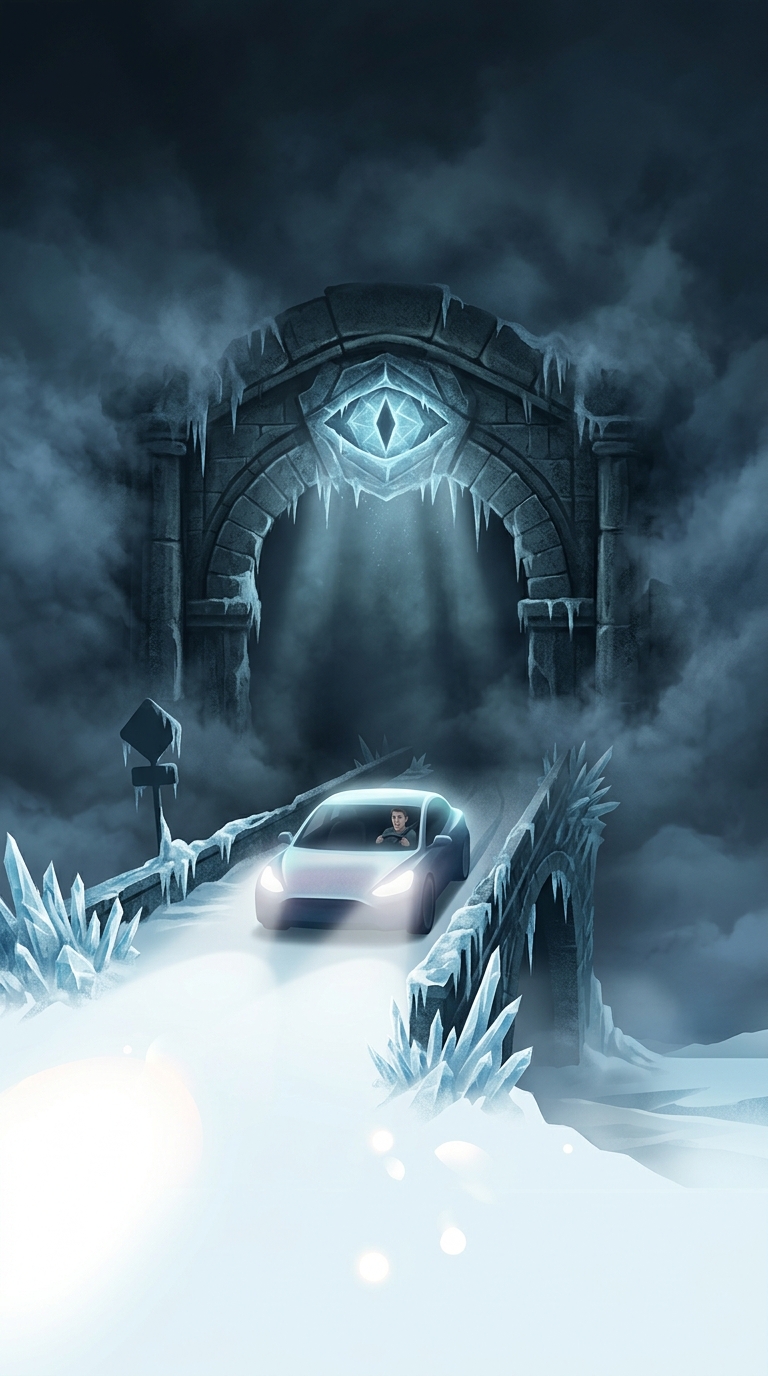
A road rests on soil, which holds heat and releases it gradually after the air turns cold. A bridge deck has no ground beneath it: cold air can sweep across both its driving surface and its underside. That extra exposure lets the structure lose heat quickly, while the earth under an ordinary road continues to warm the pavement from below.
The difference matters most when temperatures hover near freezing. A bridge surface can drop below the freezing point even while a nearby road, still receiving warmth from the ground, remains wet rather than icy. The bridge does not need to be dramatically colder; a small temperature difference can decide whether water stays liquid or turns to ice.
Where the Hidden Ice Comes From
Water may come from rain, melting snow, or damp air that condenses on a cold surface. If the deck is below freezing, that moisture can form a thin, hard-to-see layer of ice. Drivers may encounter it before the surrounding roadway looks icy—a hazard often called black ice because it is difficult to distinguish from wet pavement.
Bridge decks can cool especially quickly on clear, calm nights, when they lose heat to the open sky and receive little warmth from passing air or traffic. Wind can also carry heat away. Conditions vary, so a bridge is not guaranteed to freeze first every time; the sign warns about a place where the temperature can change sooner than a driver expects.
Why the Warning Is Placed There
On a regular road, patches of ice may develop gradually as the ground cools. On an exposed bridge, the transition from wet pavement to slick deck can happen over a short distance. The warning gives drivers a reason to ease off the accelerator and avoid sudden braking or steering before reaching that change. A few yards of roadway can have different sources of heat—and therefore very different traction.