A column turned withdrawal into a public act
Symeon’s pillar was an extreme form of Christian asceticism: the practice of disciplining the body and giving up ordinary comforts as a way to focus on religious life. The height and exposure made that discipline visible. Rather than retreating to a remote wilderness, he placed himself in a spot people could see, while limiting ordinary contact and relying on others to bring food.
The title stylite comes from a Greek word for “column.” Symeon’s long vigil was not a common requirement of early Christianity, but it made him an unusually compelling example of devotion. The pillar could signify separation from everyday life and orientation toward God; it was not a claim that physical height itself guaranteed holiness.
Solitude drew a crowd
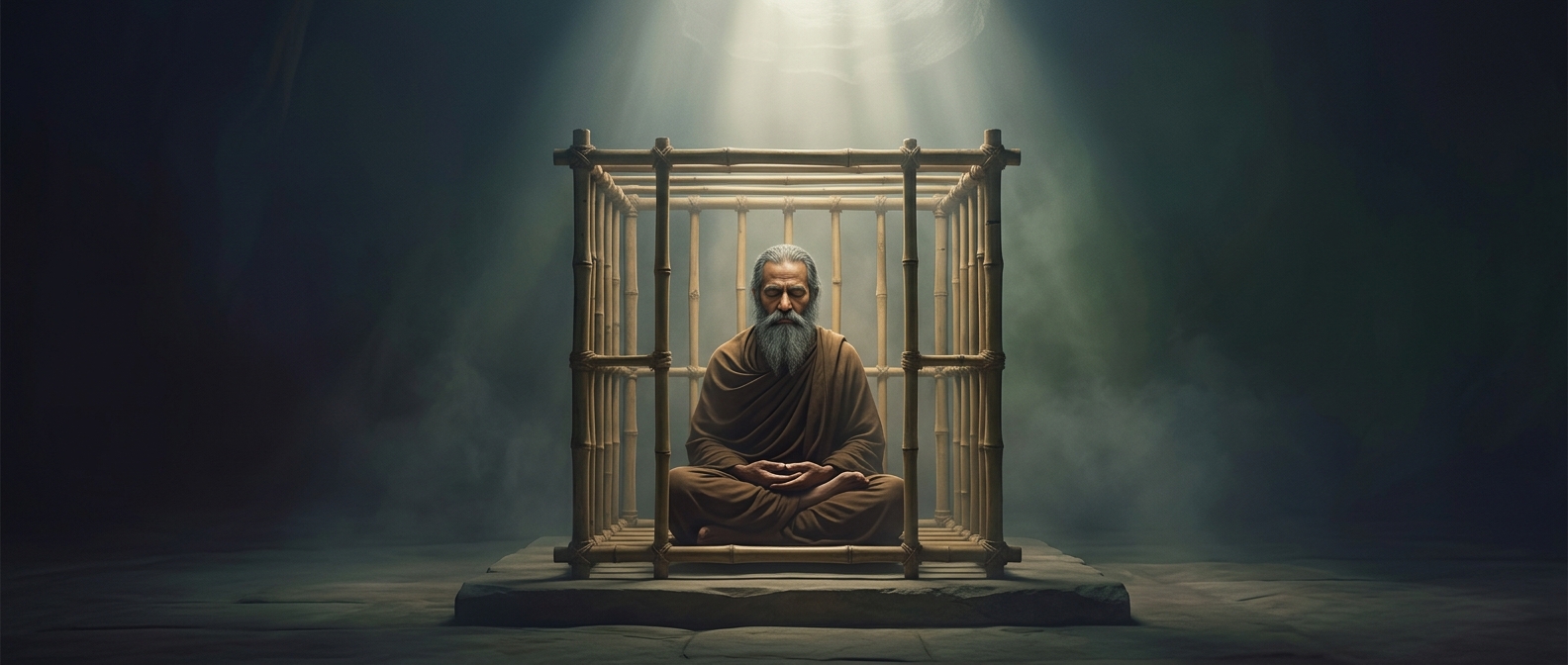
The arrangement contained a striking tension: Symeon sought withdrawal, yet his conspicuous solitude attracted visitors. People came to seek prayer, counsel, or help with disputes. His isolation therefore did not make him socially irrelevant. It gave his religious authority a public setting, with people approaching from below while he remained apart.
That attention also changed what life on the pillar meant. A practice intended as personal discipline became a continuing encounter between an ascetic and the surrounding community. Even the practical details—getting food up in a basket and communicating with visitors—show that withdrawal depended on human contact and support.
Symeon’s story endured partly because the pillar made an invisible commitment visible: for decades, the hardship could be seen from the ground, while the people gathered there ensured that his retreat never became entirely solitary.