Why the River’s Curves Shape the Commute
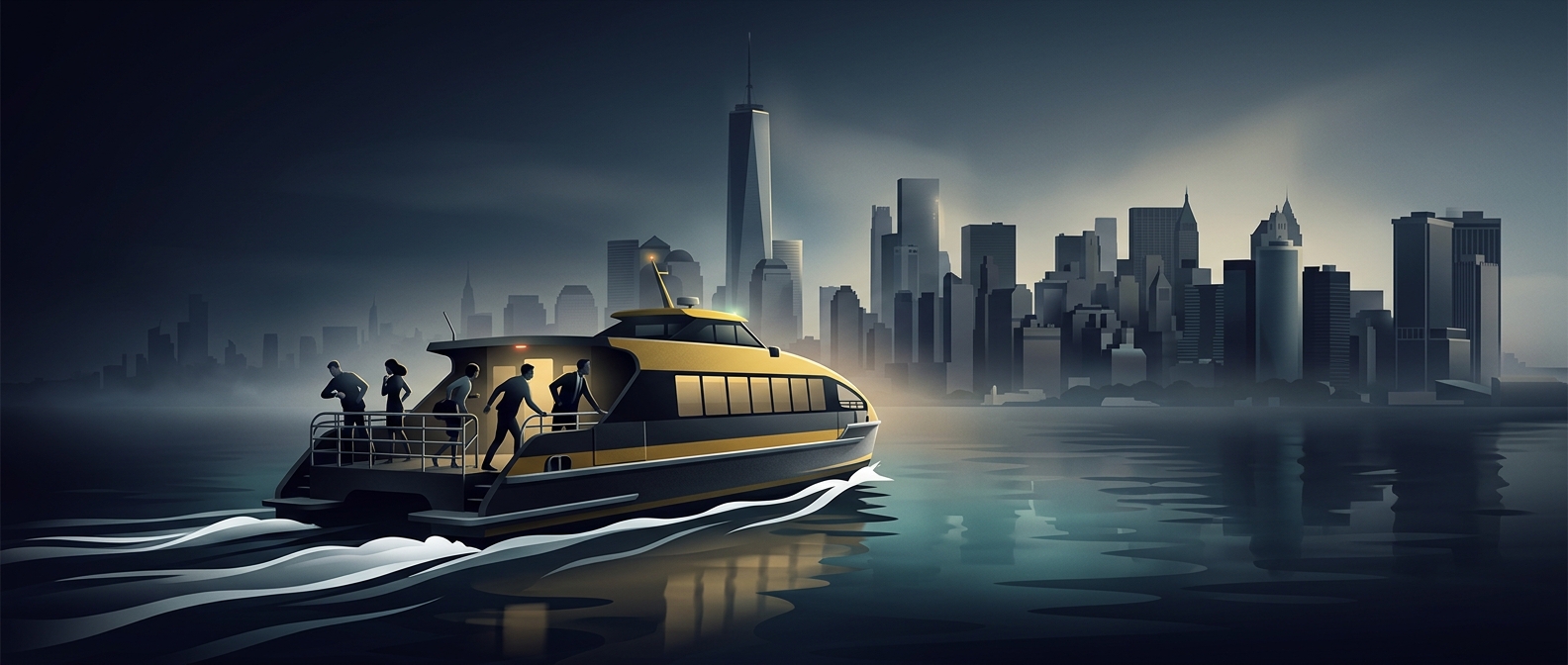
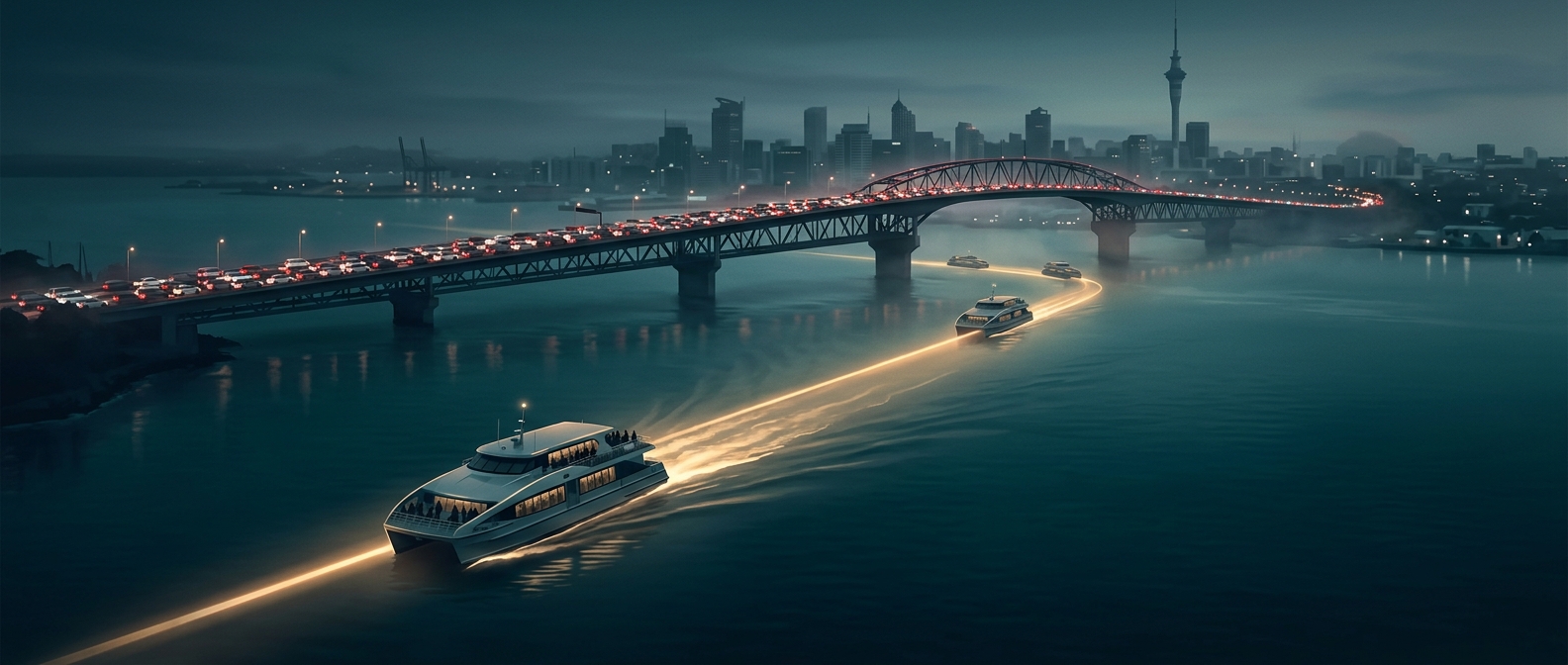
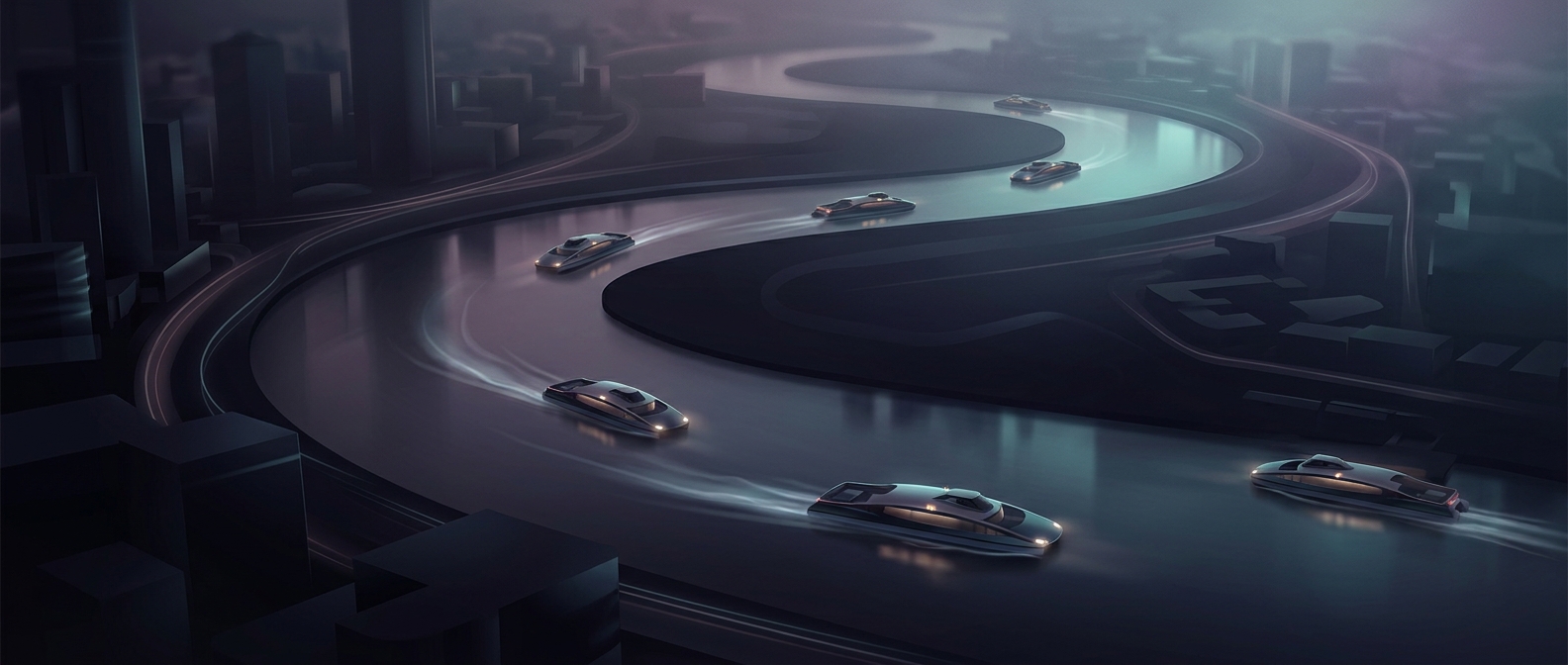
A CityCat cannot take the straight-line route a road or train might. Its path is the river itself: every bend adds distance, but the waterway also gives the ferry a direct corridor through parts of the city where passengers can board at the riverbank. The practical comparison is not simply “boat versus straight line”; it is a winding trip between waterfront stops versus getting to and traveling along a land route that may lie farther from the river.
That makes the route useful for journeys whose starting point and destination are both near the water. The river’s shape is a constraint, but it also determines which neighborhoods the ferry can serve without building a new road across them.
What Two Hulls Change
A catamaran has two parallel hulls rather than one. Set apart, they give the vessel a broad base, which helps resist side-to-side rolling as passengers move aboard or the boat travels through water. The separated hulls also let the vessel carry its width without relying on one broad hull beneath the deck.
That does not remove the motion of the river or make every ride perfectly smooth. It changes how the boat responds: its wide stance helps keep the deck steadier, a useful quality on a passenger service where people may be standing, walking, or boarding at a floating stop.
The Tradeoff Is Built Into the Route
The ferry’s appeal comes from combining that stable platform with access along the river, not from outrunning every land journey. A bend can make the ride longer, but it can also bring the boat past waterfront stops that a straight line across the map would miss. The detour is therefore part of the service’s geography: the river decides both where the boat can go and whom it can conveniently pick up.