Manhattan’s rivers offer a different route through the city
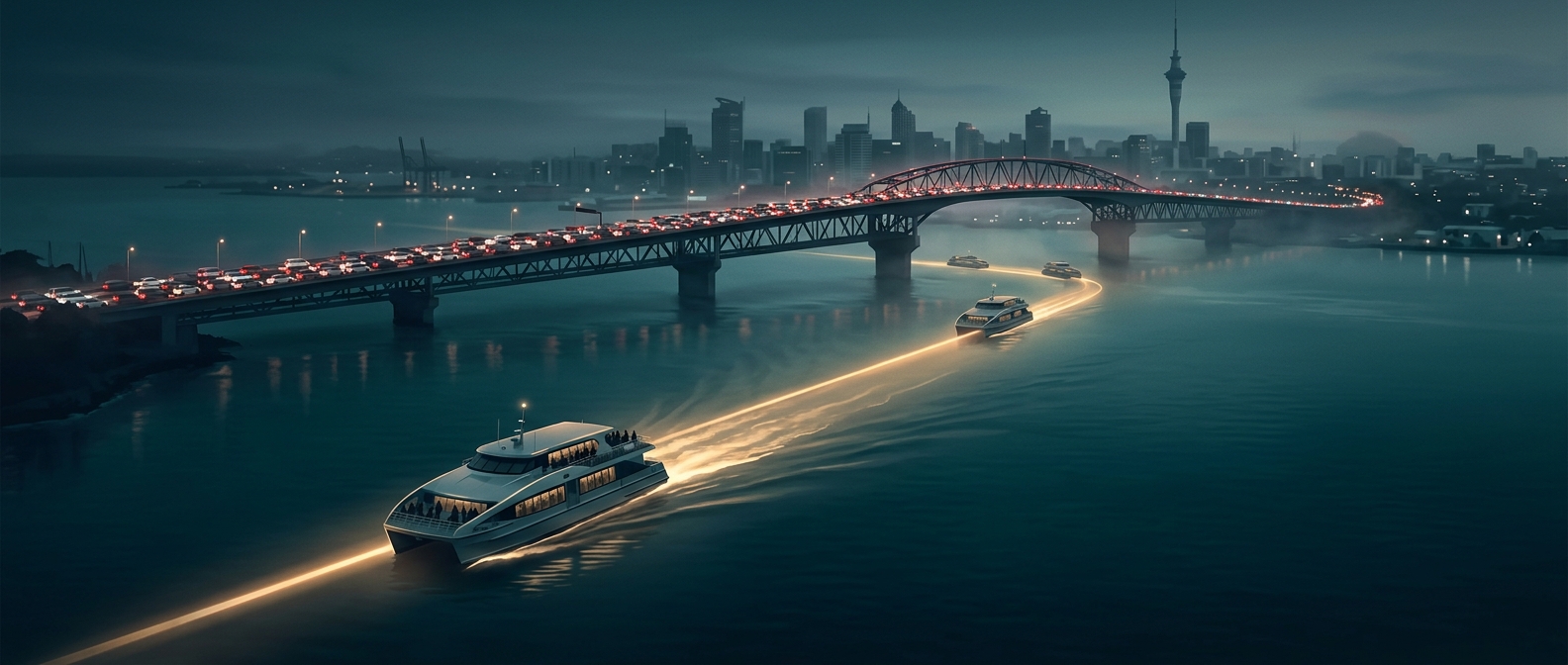
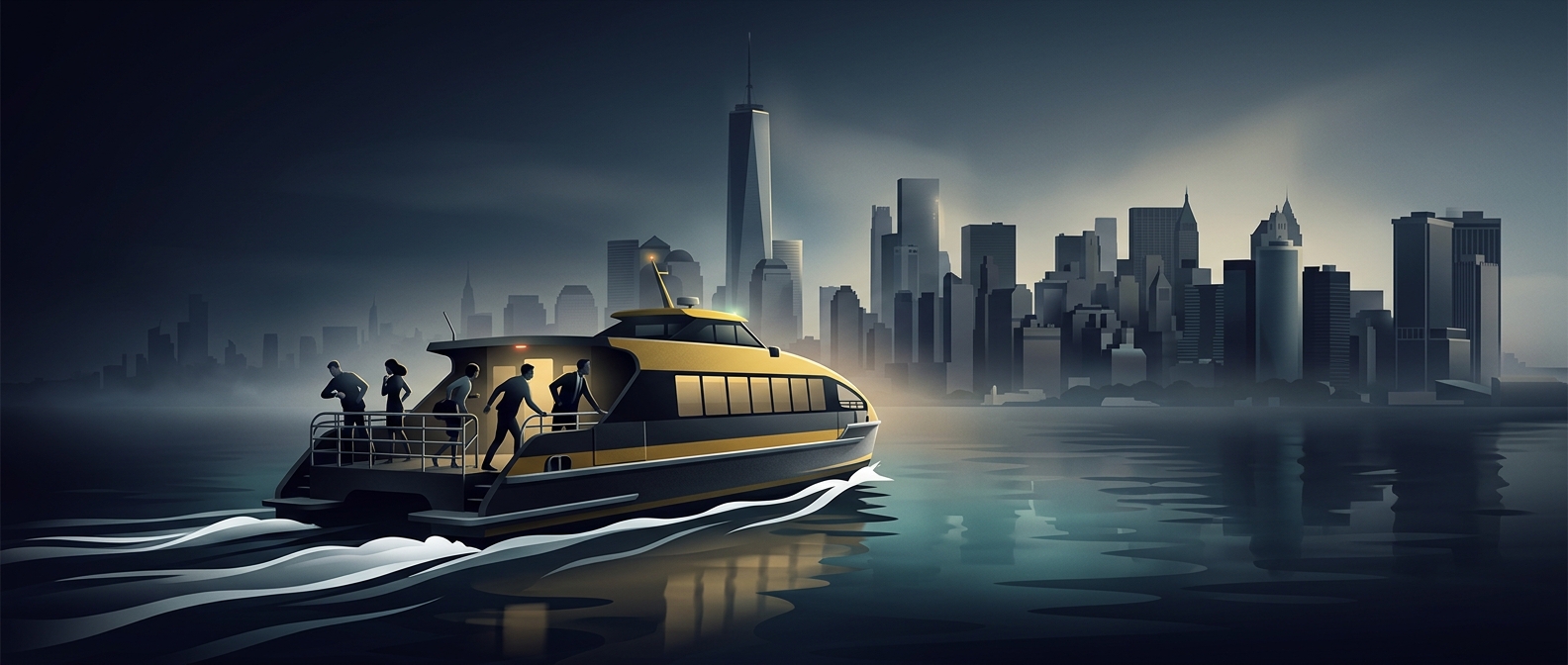
Manhattan’s busiest streets are not the only way to move around the island. The East River and Hudson River flank it, creating a parallel travel corridor where a water taxi can make progress even when nearby roads are crawling. The boat does not need to cross a crowded avenue at every intersection or queue behind traffic lights; its route runs across open water between landing points.
That makes the trip a shortcut only when the docks line up with a passenger’s journey. A boat can carry someone past a congested stretch, but it cannot pick them up at a street corner. Passengers have to reach a pier, board, and continue on foot or by another form of transport after landing. Those transfers are part of the real travel time, not an afterthought.
The advantage comes with a tradeoff
Water taxis exchange road congestion for a more fixed network of stops. A street can bring a traveler close to an address; a boat is useful when a landing point is conveniently near both ends of the trip. The water route may look direct on a map, but the walk to and from the piers can determine whether it saves time.
For impatient locals, the appeal is practical: while cars and buses compete for space on Manhattan’s streets, a boat can use the river instead. Its wake is a reminder that this is not a road with fewer cars—it is a separate route with its own boarding points and last-mile connections.