How a vaccine prepares the body before danger arrives
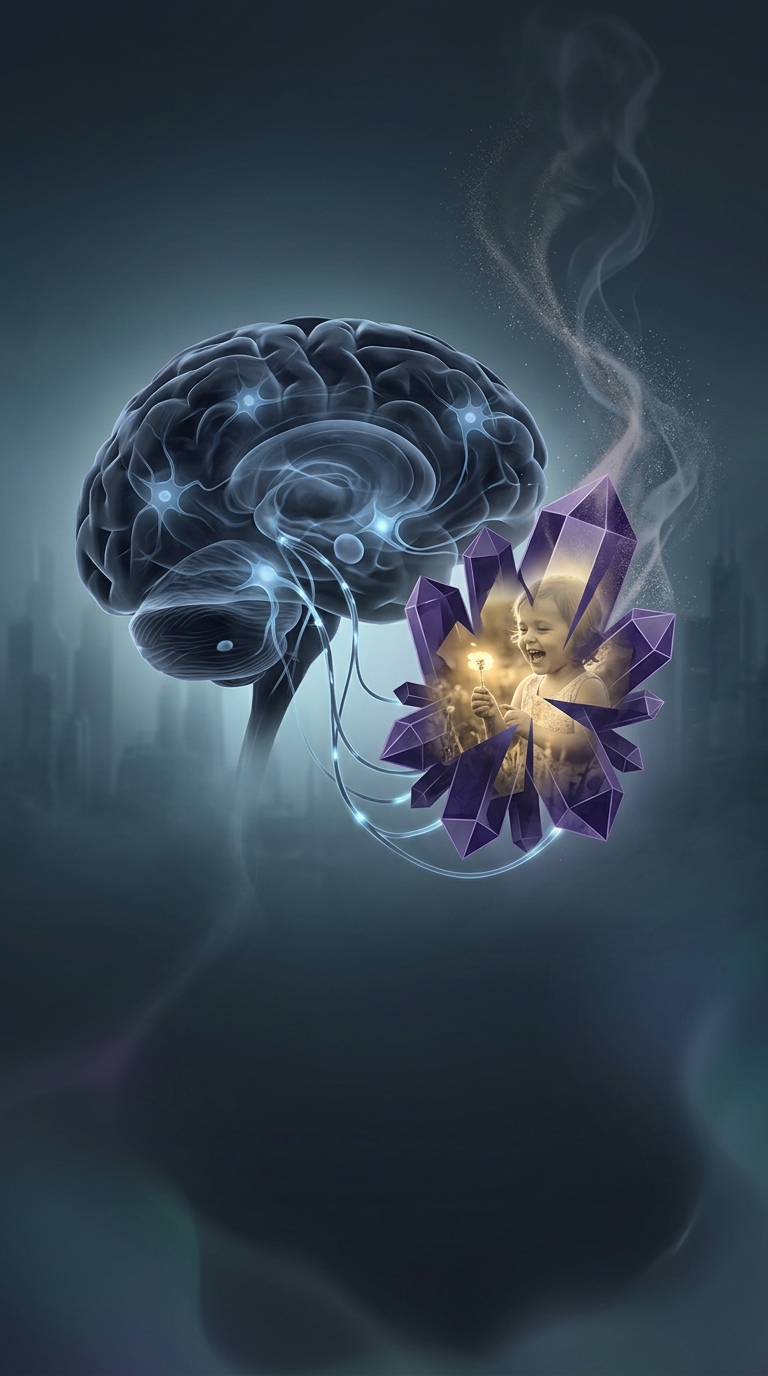
A vaccine gives the immune system a safe preview of a disease-causing germ—or of a piece or instruction from it—without making the person undergo the full illness. The immune system responds by building defenses, including antibodies, proteins that can recognize and attach to particular targets. It also forms memory cells that help the body respond more quickly if the real germ later appears.
That is why the “training” metaphor works: vaccination does not create an invisible barrier around someone. It prepares biological defenses inside the body. Protection varies by vaccine and disease, and some vaccines reduce the chance of infection while others are especially good at preventing severe illness.
From outbreak to prevention
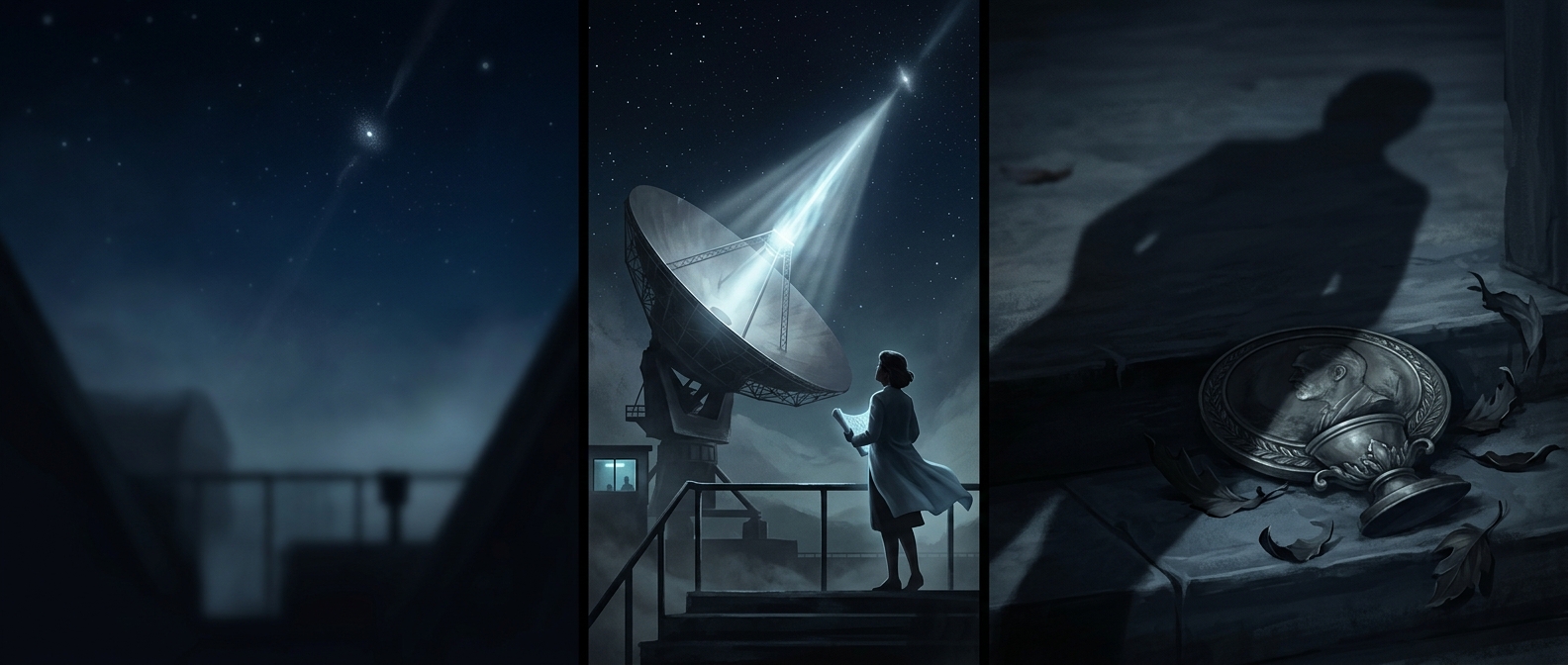
Before vaccination became widespread, many infections could spread rapidly through communities with little ability to prevent them. Smallpox, for example, killed or disfigured people for centuries. The first smallpox vaccine, developed by Edward Jenner in 1796, helped establish a practical way to prevent a disease by deliberately prompting immunity. Much later, coordinated vaccination campaigns helped eradicate smallpox worldwide, a rare case in which a human disease was eliminated through public-health action.
The change was not just a matter of individual protection. When enough people are immune, a germ has fewer opportunities to pass from person to person, helping shield those who are especially vulnerable or cannot receive a particular vaccine. The strength of that community effect depends on the disease and the vaccine.
Why a needle can feel more frightening than the risk
A needle is immediate and visible; the infection it is meant to prevent may feel distant. That mismatch can make a brief injection loom larger than an illness most people have never personally seen. But the comparison is not between a needle and no risk at all: it is between the small, usually short-lived effects that can follow vaccination and the risks posed by the disease, which can include lasting harm or death.
Vaccination turned some once-feared outbreaks into uncommon events in many places. That success can make the danger seem abstract—which is one reason the protection is easy to take for granted.