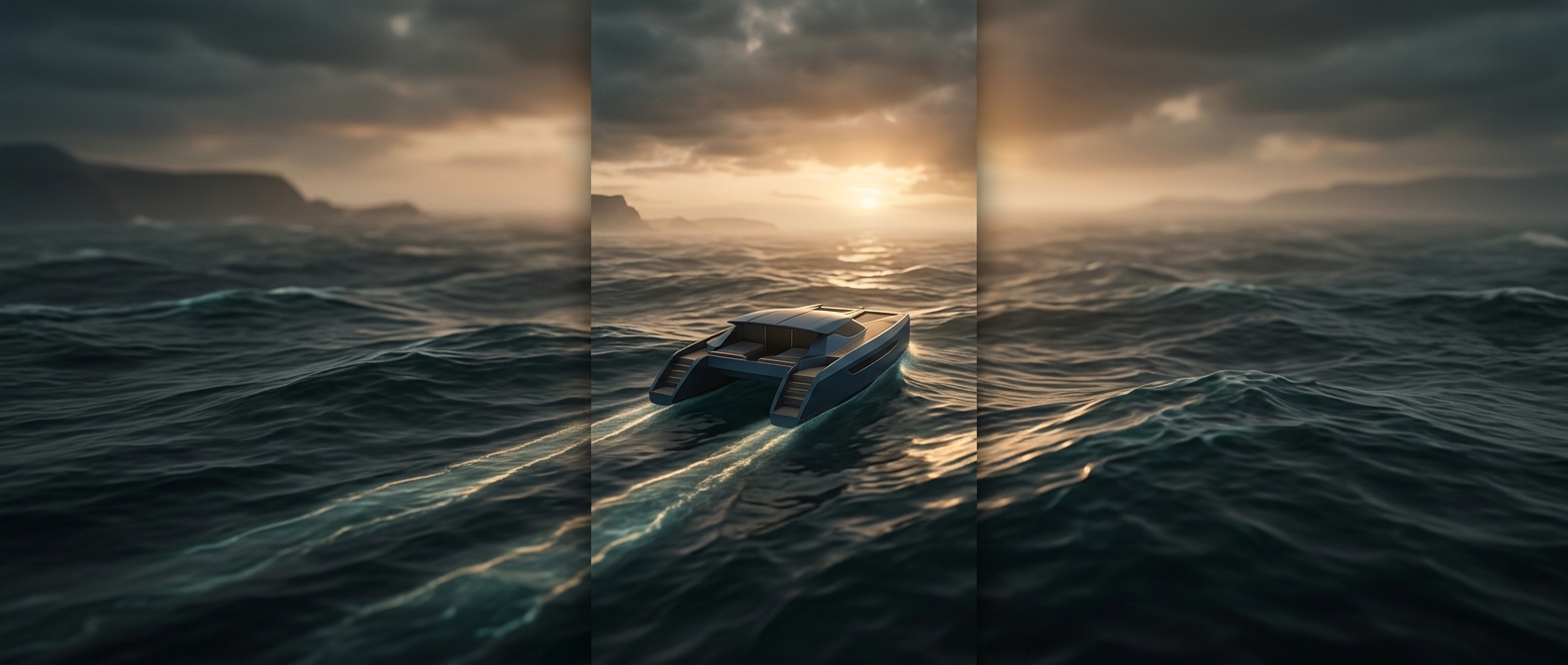
Why Two Hulls Resist a Roll
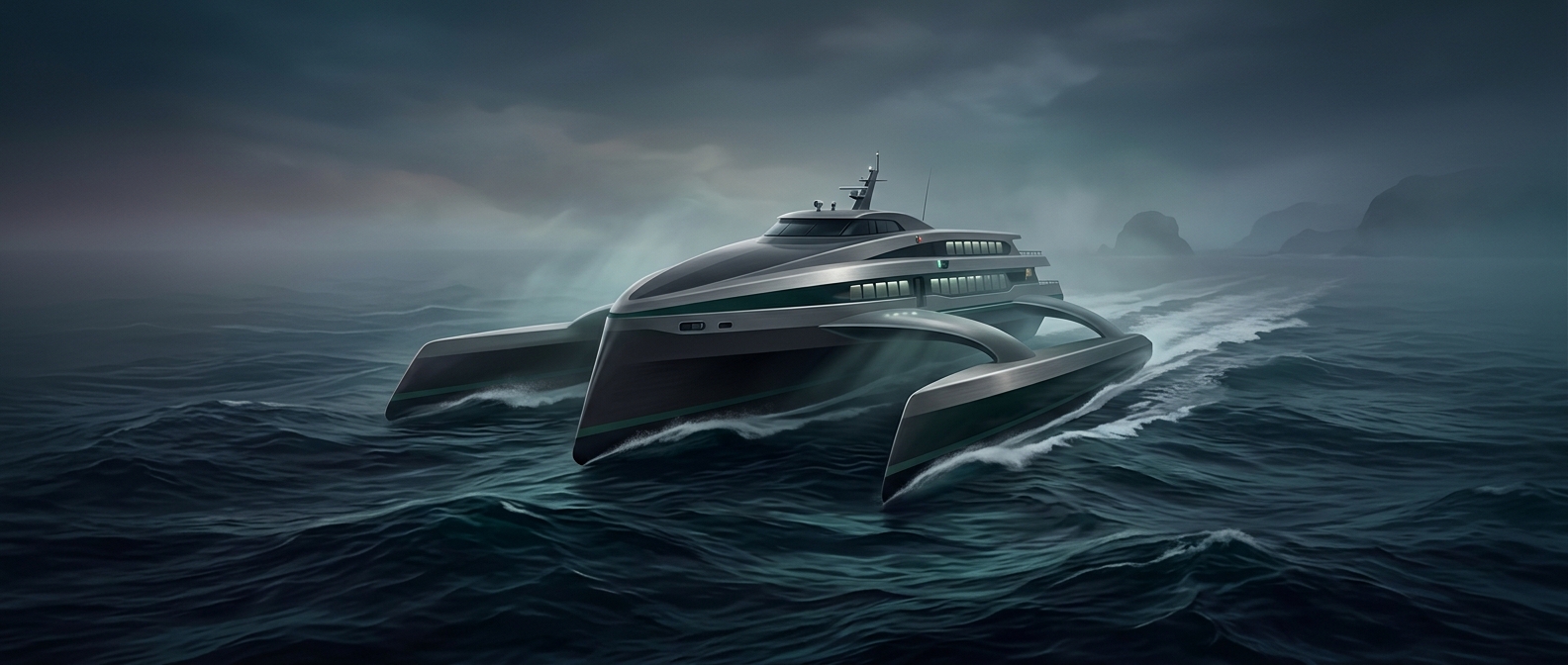
A catamaran’s hulls sit on opposite sides of a broad deck or frame. When a wave or gust pushes the boat sideways, the hull on the downwind side presses deeper into the water while the other rises. That shift creates a restoring force: the submerged hull pushes upward, helping turn the boat back toward level.
The distance between the hulls matters. It gives the boat a wide support base, so a sideways force must overcome a larger leverage effect to roll it than it would on a narrow, single-hulled boat. The hulls do not simply make the vessel “heavy” or impossible to tip; they change how the boat balances against a side force.
Stability Has a Tradeoff
Because a catamaran resists leaning, its deck can remain relatively level in conditions that make many monohulls heel, or tilt to one side. That can make movement aboard feel steadier and keep more of the hulls’ shape available for speed rather than deep immersion.
But resistance to rolling is not the same as immunity to capsizing. In sufficiently strong conditions, or if a boat is sailed beyond its limits, a catamaran can overturn. And unlike many monohulls, some catamarans cannot right themselves after a capsize. Their wide stance buys stability in ordinary motion, but it also makes the boat’s response to extreme forces a different engineering problem.