Why an air cushion needs a flexible edge
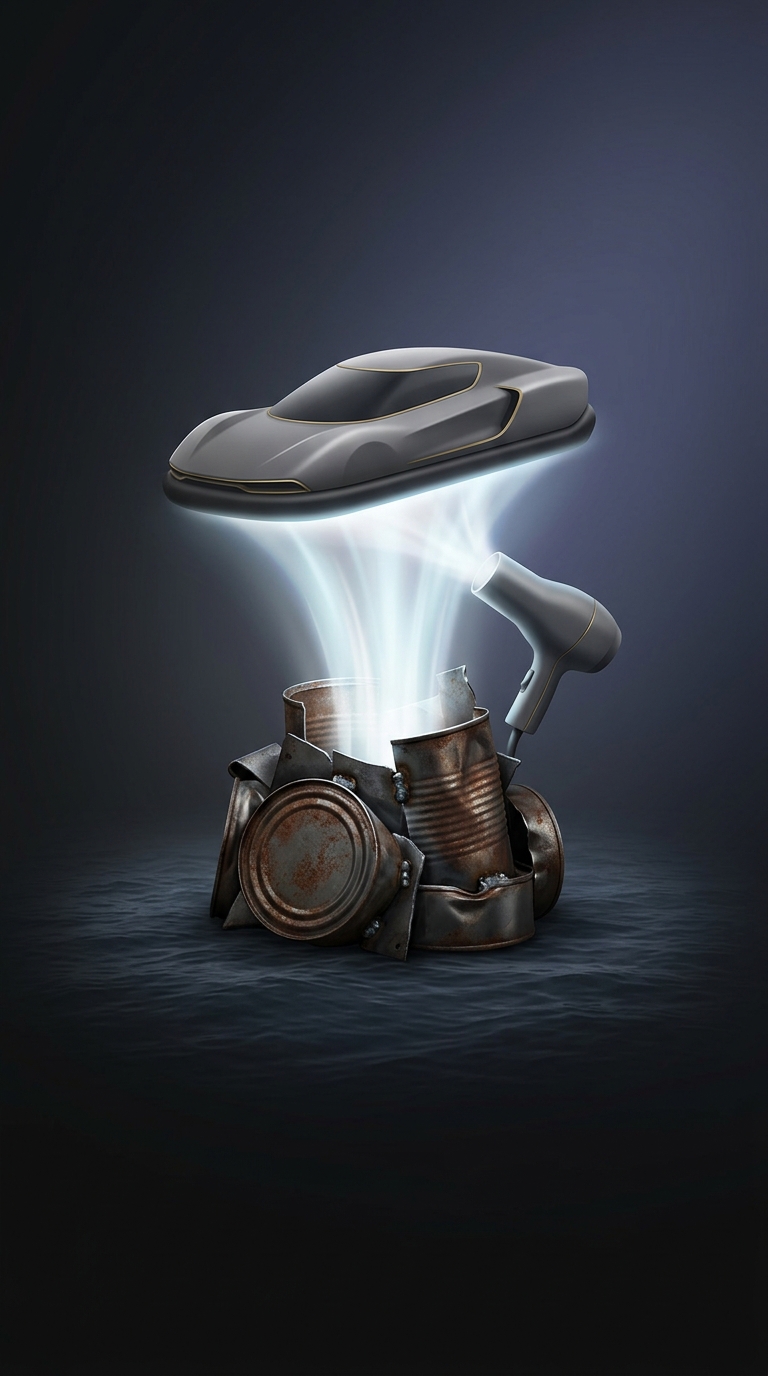
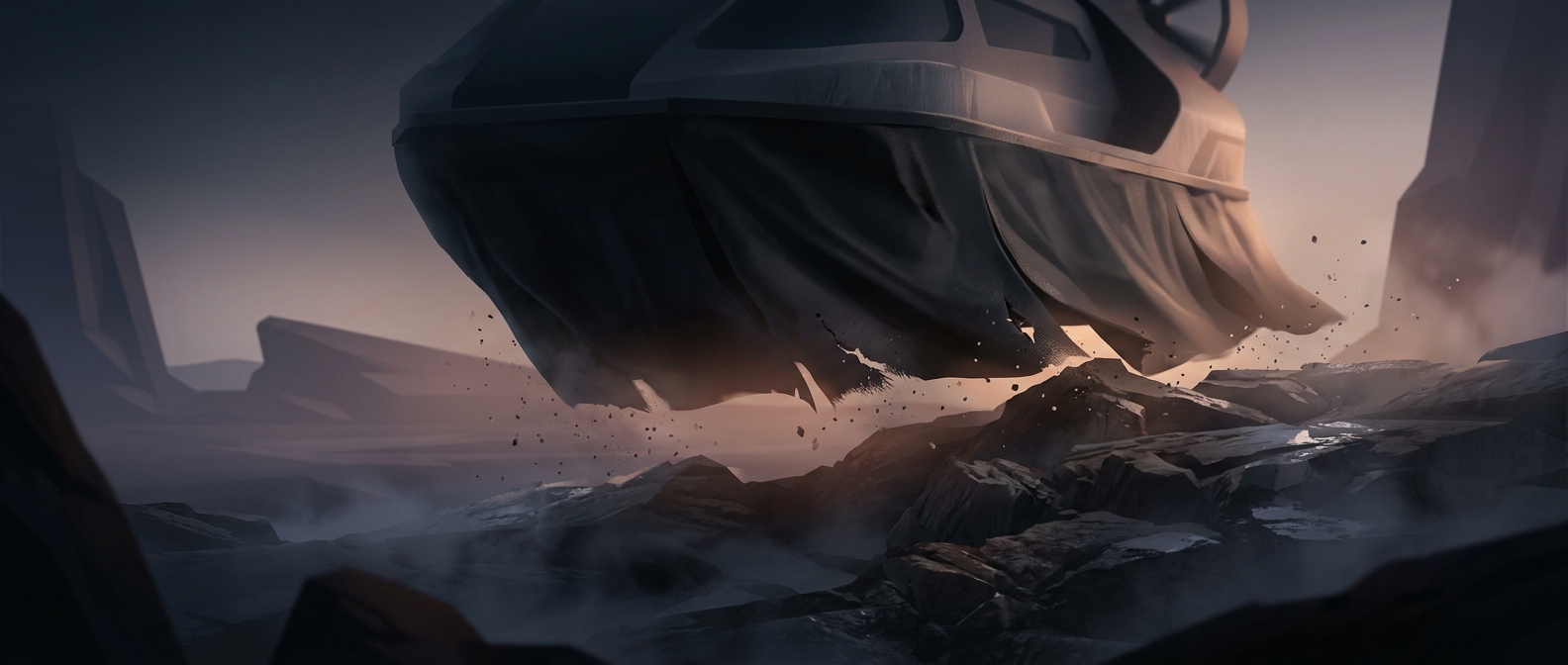
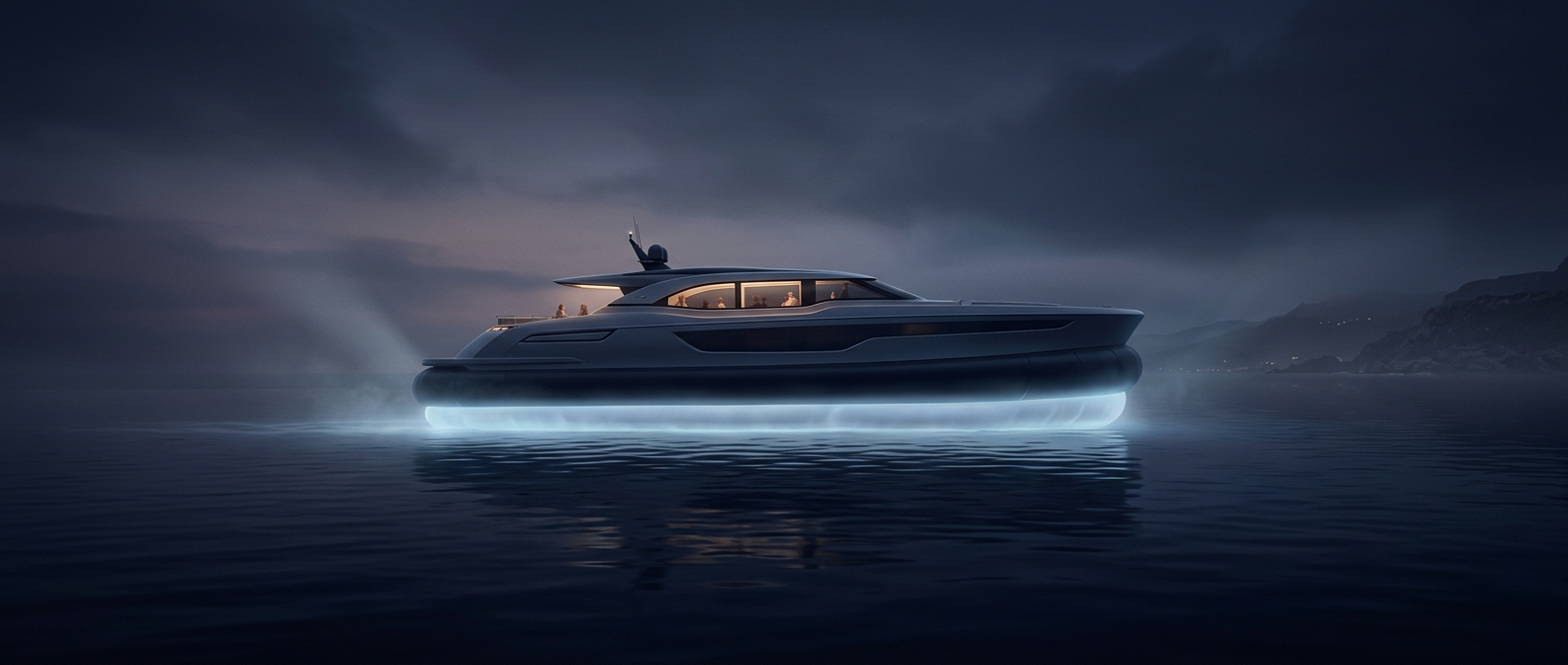
An air-cushion craft has to solve a balancing act: keep enough air underneath to lift its weight, while letting enough escape that the craft can move forward. Its skirt—the flexible material around the bottom edge—helps contain the cushion without sealing it completely. The skirt bends over waves, mud, or uneven ground, maintaining a shallow pocket of pressurized air as the surface changes.
The air is not a friction-free magic carpet. Some continually leaks out around the skirt, so fans must keep replacing it. The craft rides only slightly above the surface, and the cushion’s pressure must be high enough to support the load but not so high that pumping air becomes wasteful.
Lifting is different from moving
Fans that create the cushion do the lifting; separate propellers or ducted fans usually push the craft forward. That division matters: raising a heavy vehicle and driving it across open water are different jobs, each demanding power. The cushion reduces the drag of a hull plowing through water, but the lift system still consumes energy even when the craft is not traveling fast.
The skirt is also a wear-and-maintenance tradeoff. It makes travel across water and land possible, but repeatedly flexing against rough surfaces can damage it. And the exposed fans that move large amounts of air produce the characteristic roar: the same airflow that keeps the craft aloft makes it noisy.
A different kind of crossing
Because the craft is supported by air rather than buoyancy alone, it can pass between water and suitable land without needing a conventional hull to float in a continuous channel. But it still needs a clear route, a working skirt, and substantial power. Its advantage is not that it ignores the surface; it is that its flexible cushion can adapt to surfaces that would stop many ordinary boats.