Why a hovercraft can cross where a boat cannot
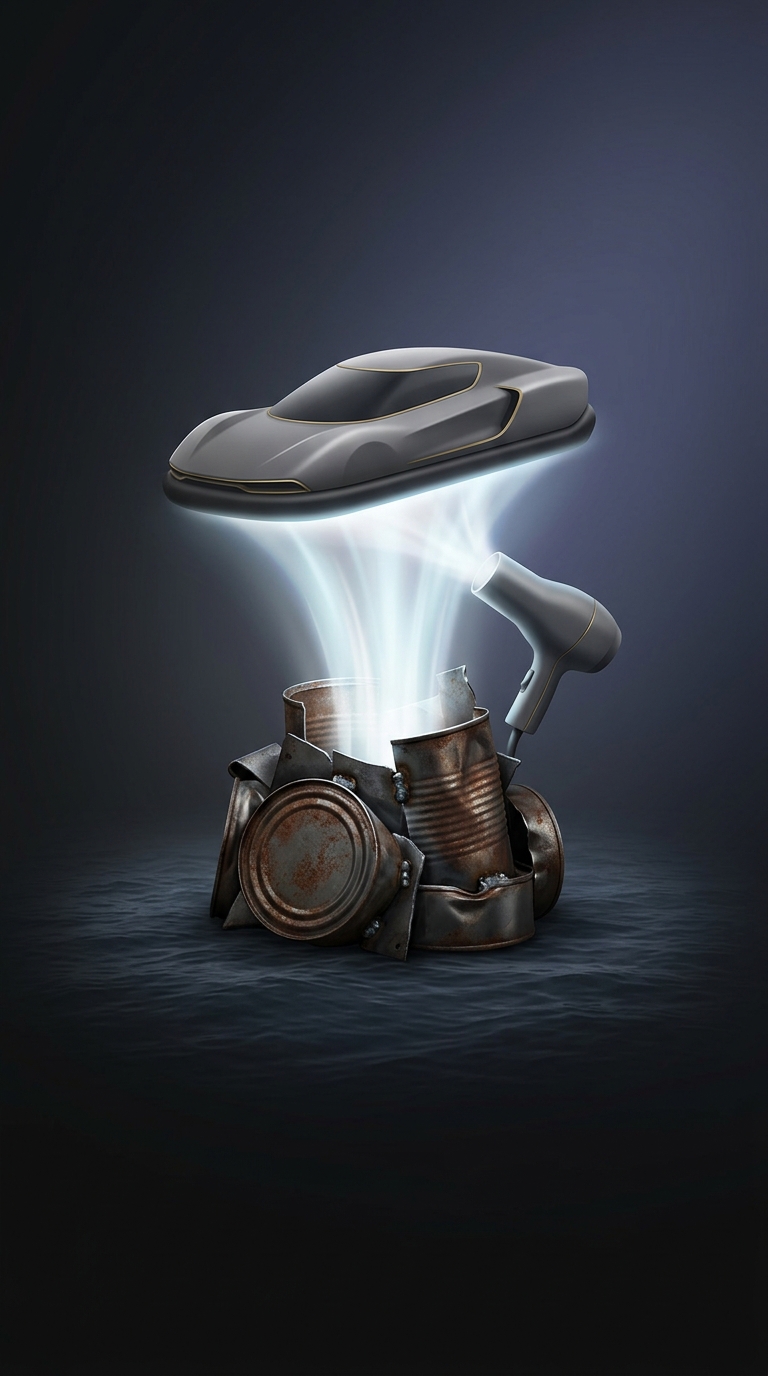
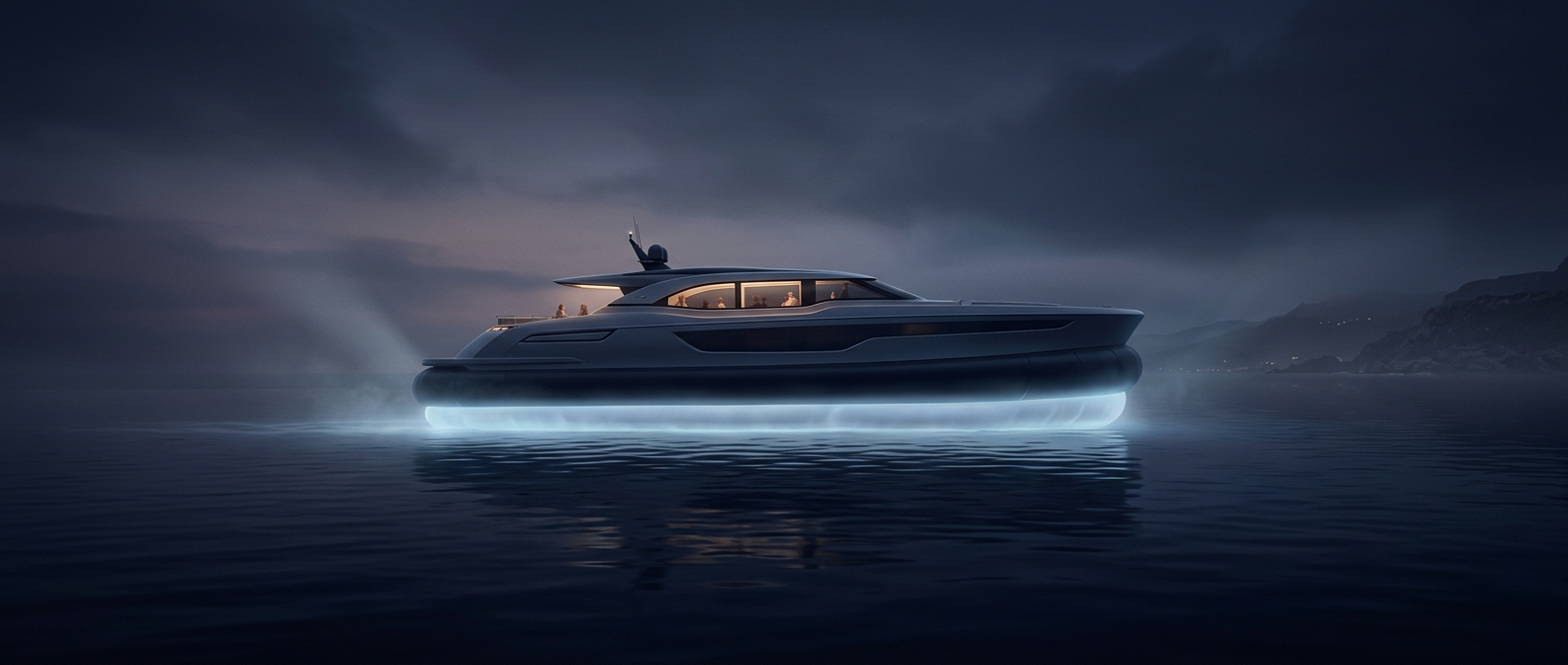
The Isle of Wight hovercraft’s unusual advantage is that it does not need to stay afloat in the usual way. A conventional ferry pushes water aside as it moves; a hovercraft rides on a pressurized cushion of air, so much less of its weight presses against the water. That makes it possible to travel across shallow water and continue over a suitable beach rather than needing a deep-water berth at both ends.
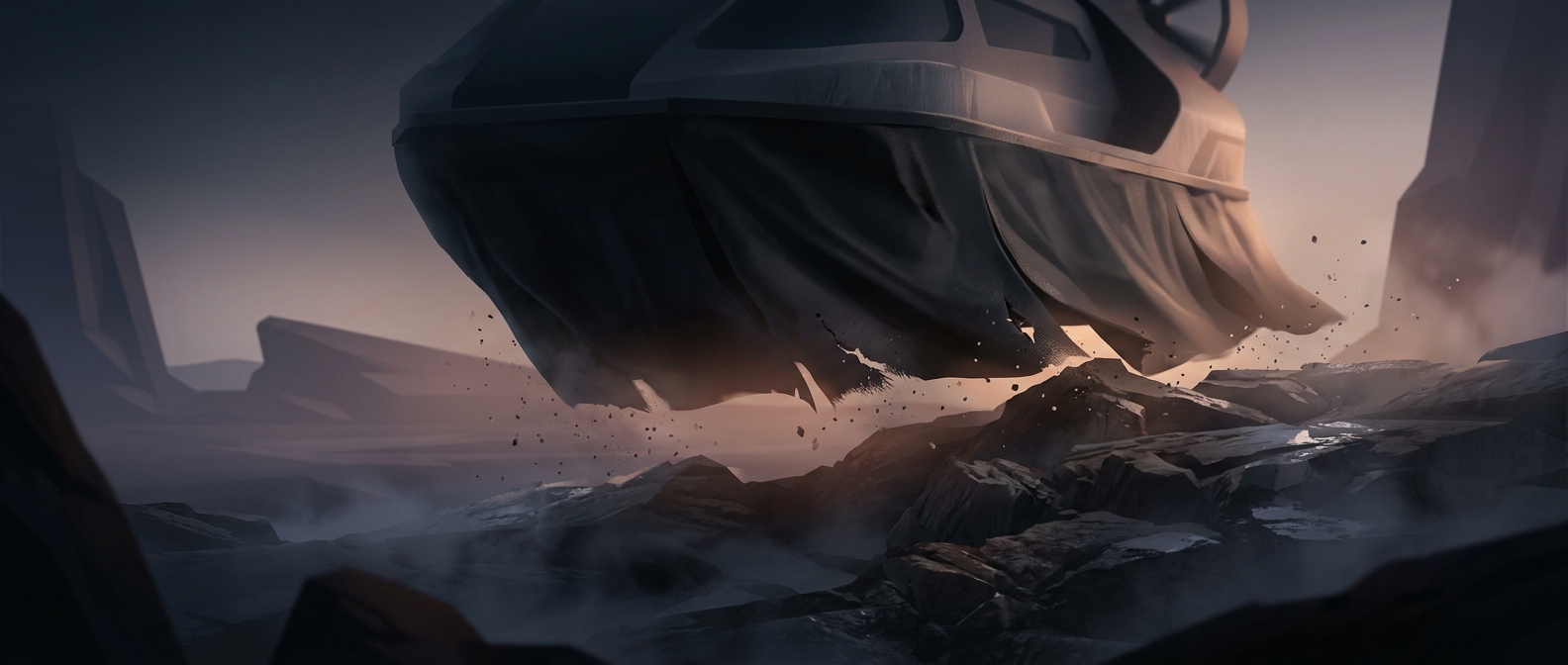
The cushion is not a sealed bubble. Air escapes around the craft’s edges, so the engines must keep supplying it. A flexible skirt hanging beneath the hull helps contain the air while bending over uneven surfaces. It is a practical compromise: the craft can pass over changing terrain, but the cushion is never perfectly still or silent.
The tradeoff behind the noise
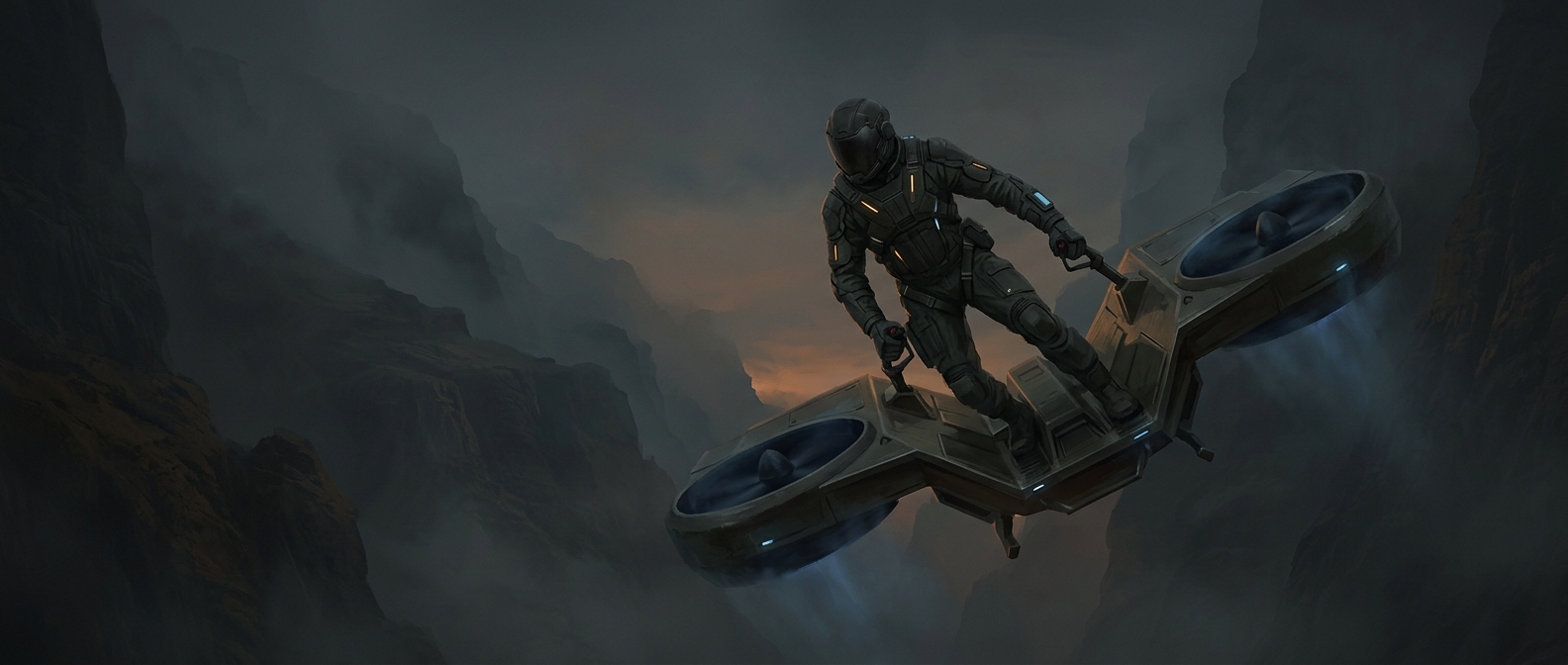
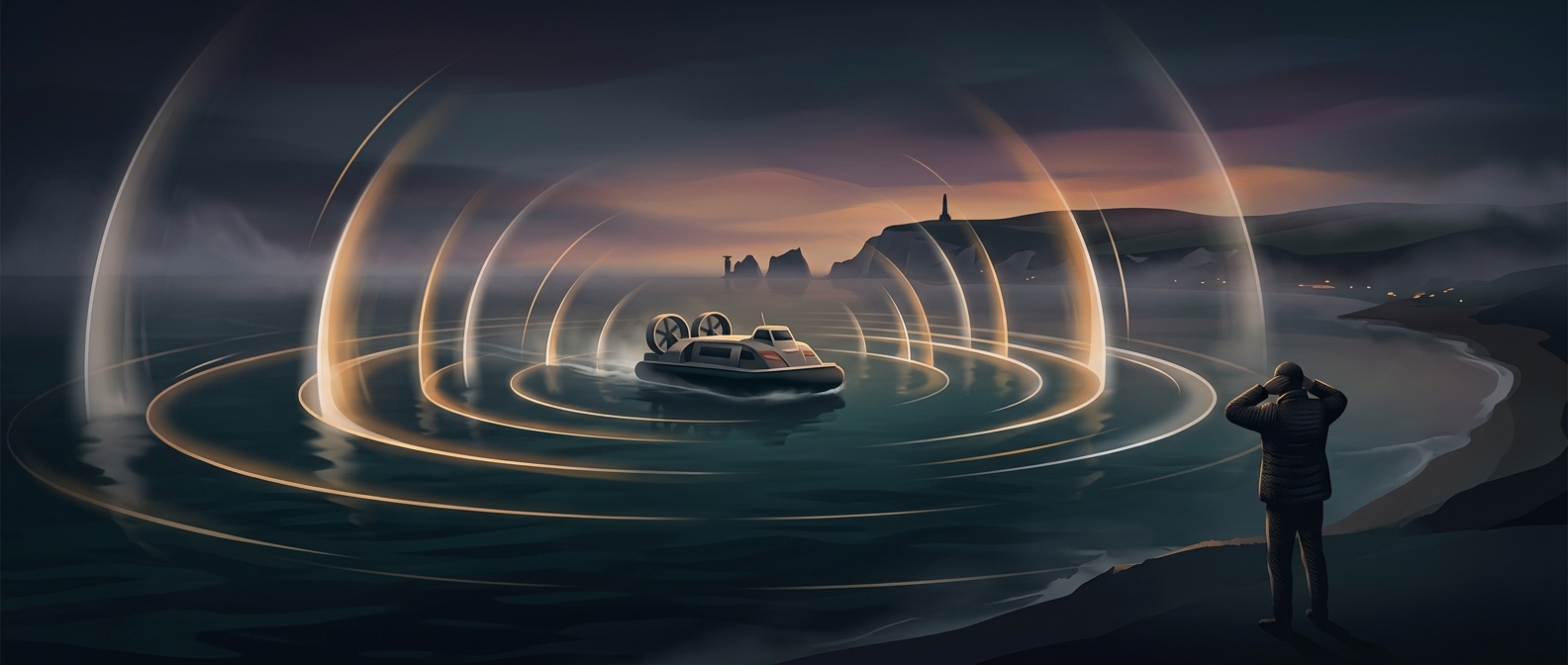
Lifting the craft and driving it forward are separate jobs. The lift system maintains the air cushion; forward thrust moves the vehicle across the Solent. Both require powerful machinery, and the rush of air and engine noise are part of the operating cost of traveling above the water rather than cutting through it.
That tradeoff matters most at the shoreline. A hovercraft can approach a landing without relying on the same kind of pier or deep-water access a conventional vessel needs. The result is a crossing whose route can begin and end at the water’s edge—but whose arrival announces itself long before the skirt reaches the beach.