The skirt makes the cushion usable
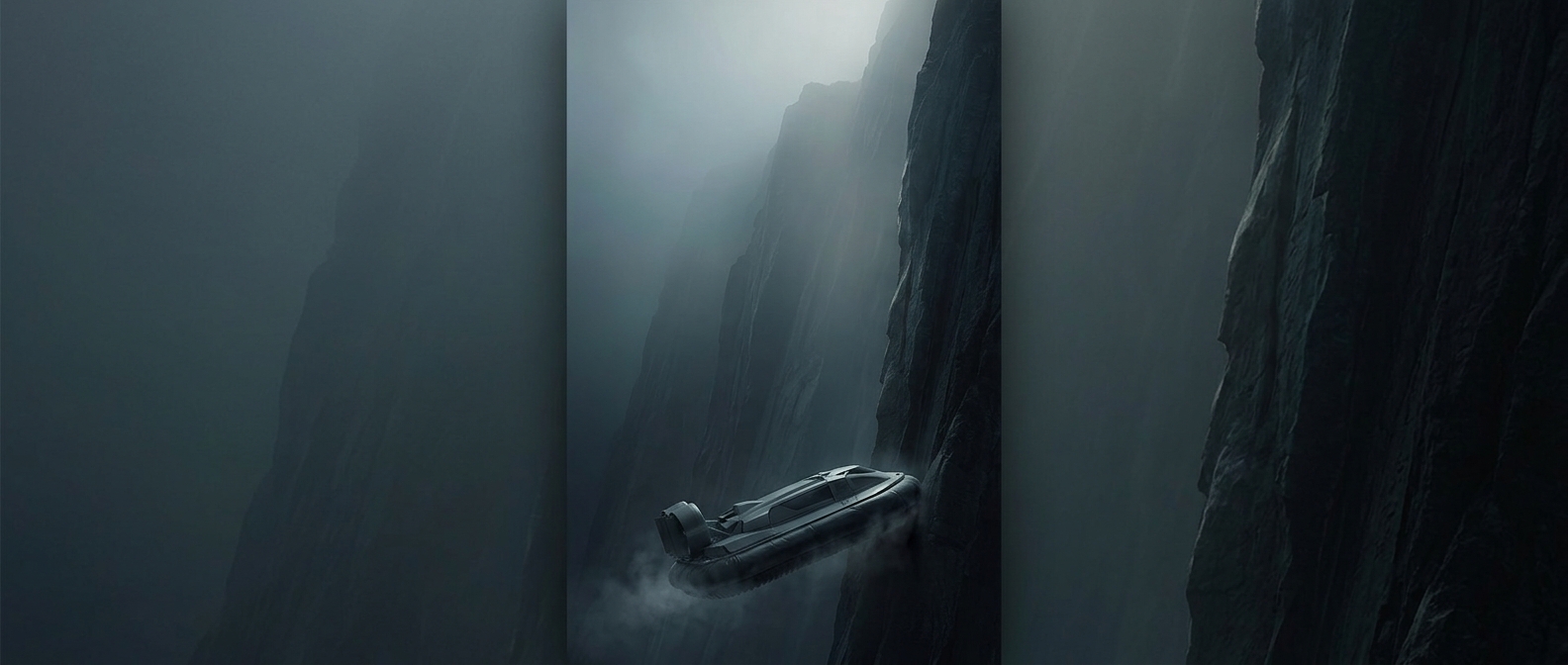
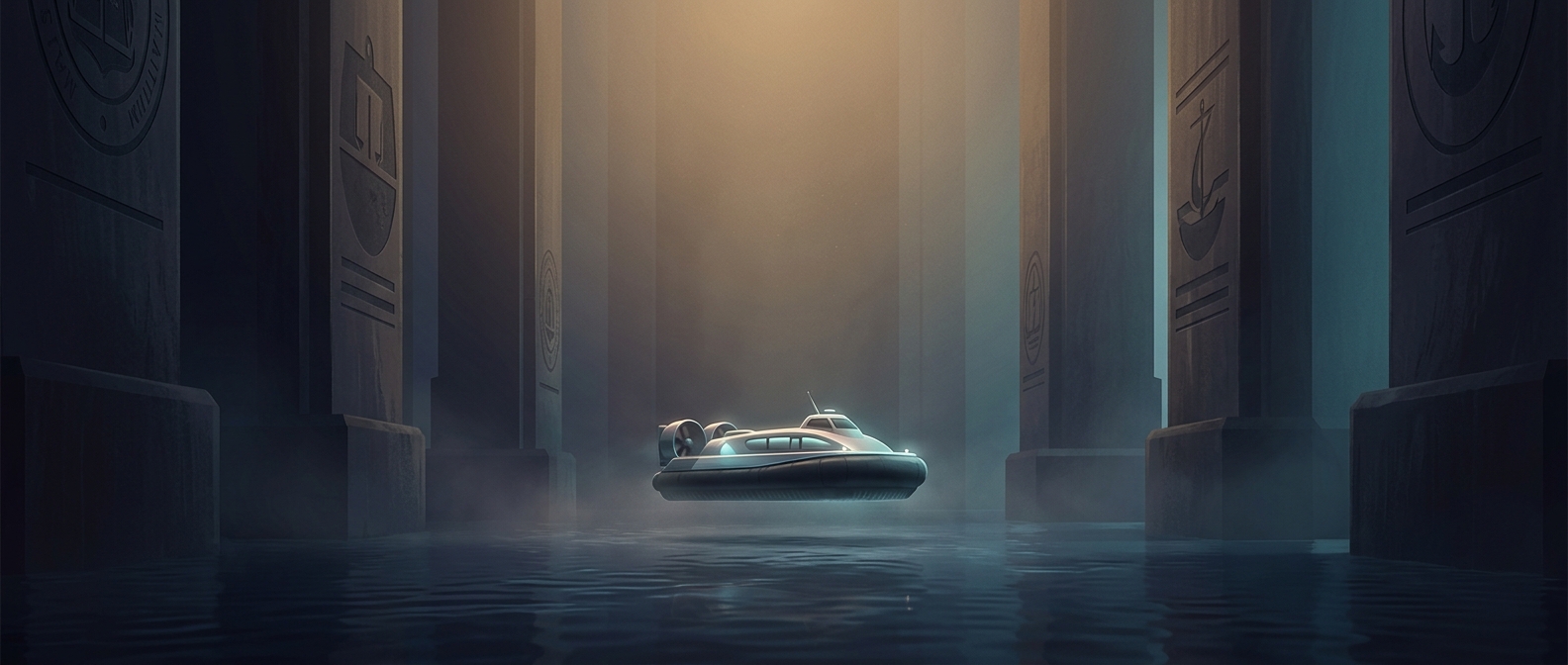
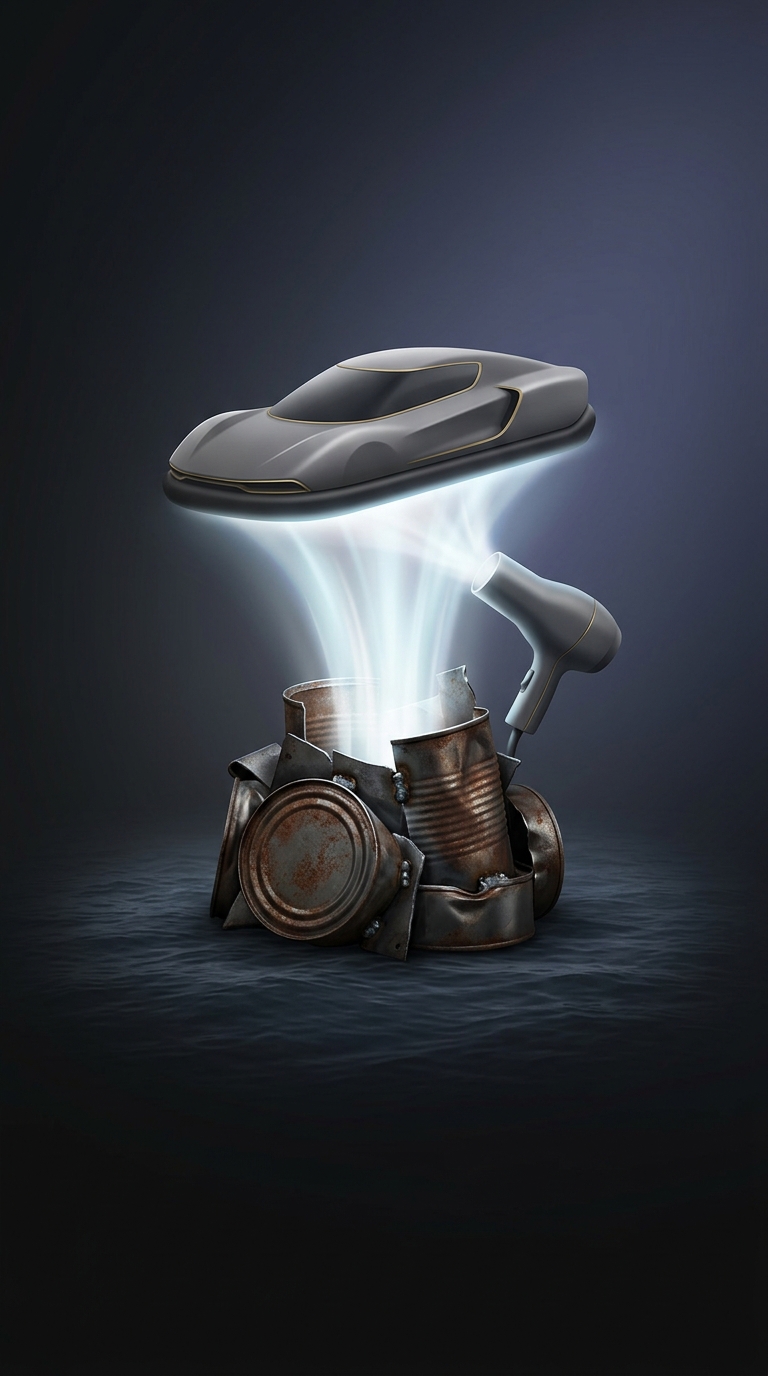
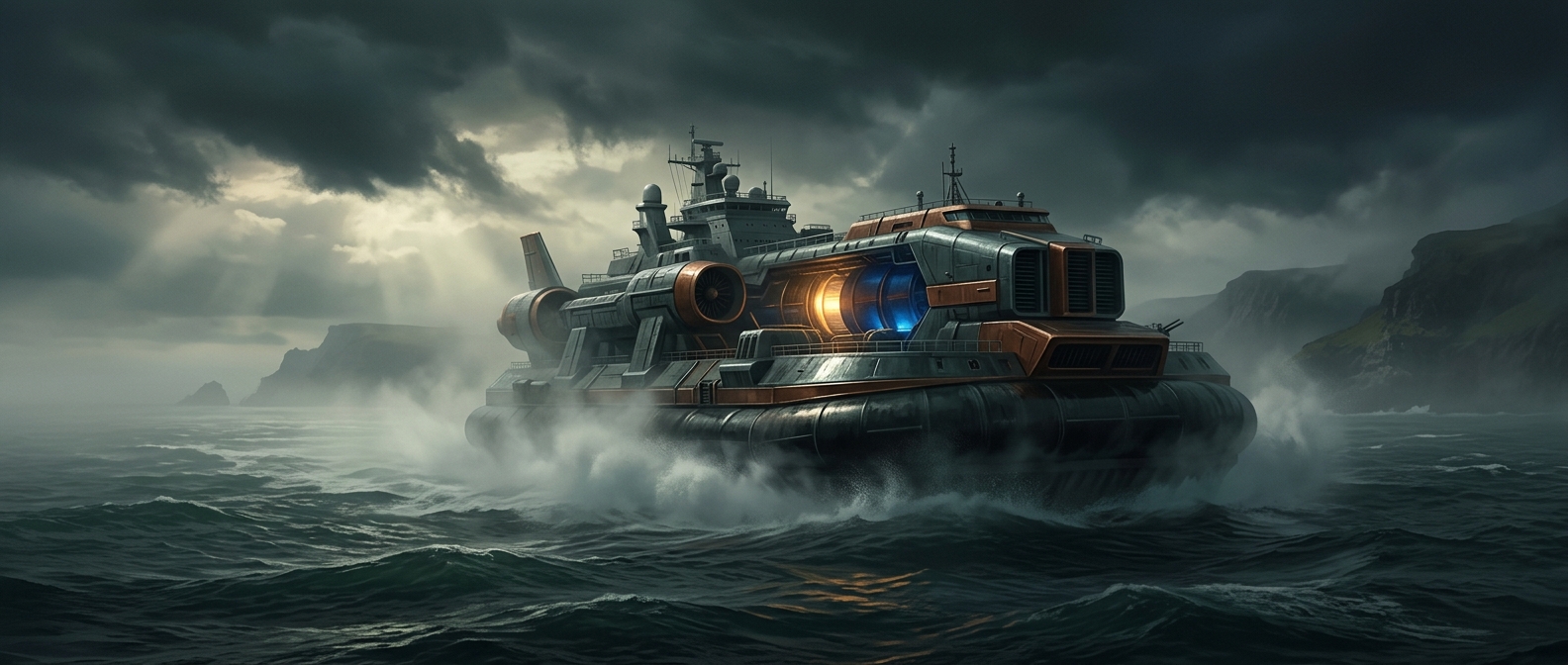
A hovercraft does not seal itself to the ground like a suction cup. Its fan pushes air into the space beneath the hull, and the flexible skirt around the bottom helps hold that air in. Some escapes continuously, so the fan must keep supplying more. The resulting pressure lifts most of the craft’s weight, leaving only a small gap between the hull and whatever lies below.
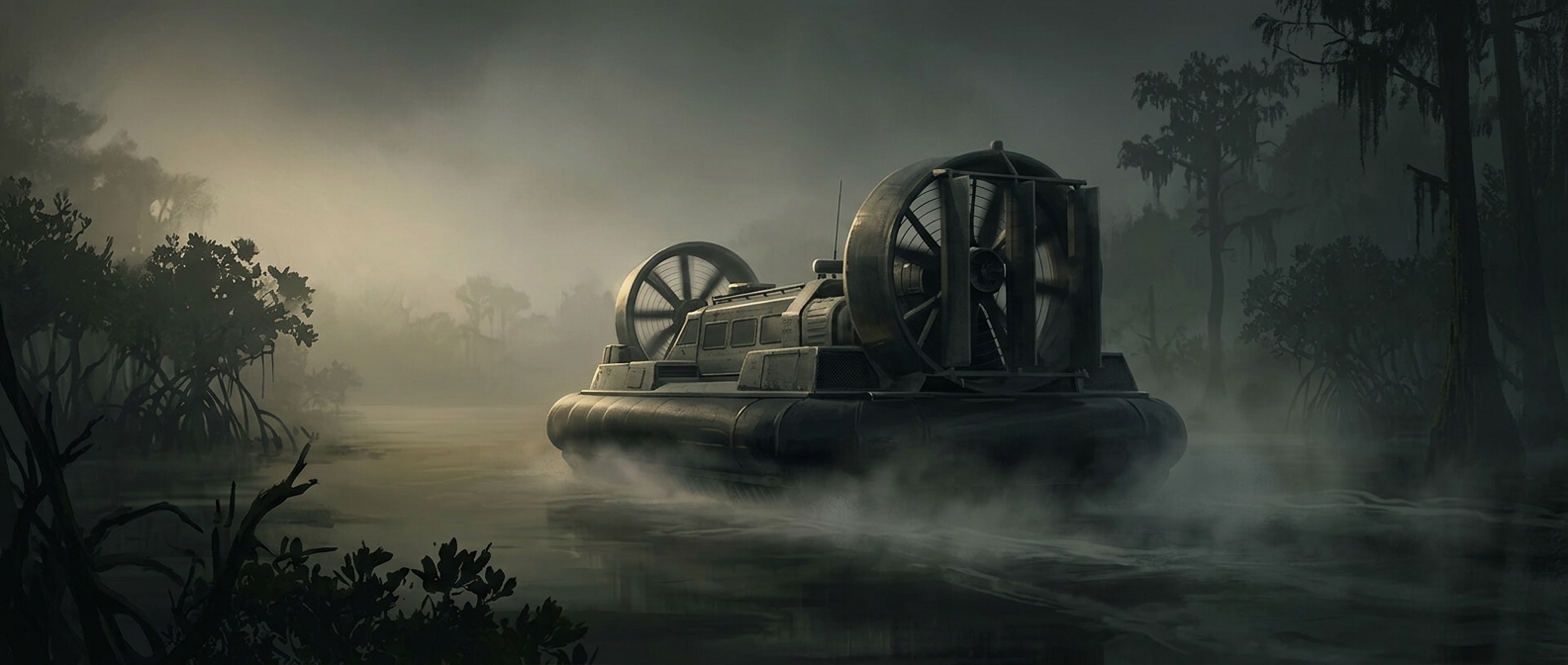
That gap is the key to crossing a swamp. Water, mud, reeds, and shallow irregularities can pass beneath the craft instead of supporting wheels or a deep-draft hull. The skirt flexes as it brushes uneven ground, helping preserve the cushion without needing a rigid, perfectly level surface.
Floating is not the same as gripping
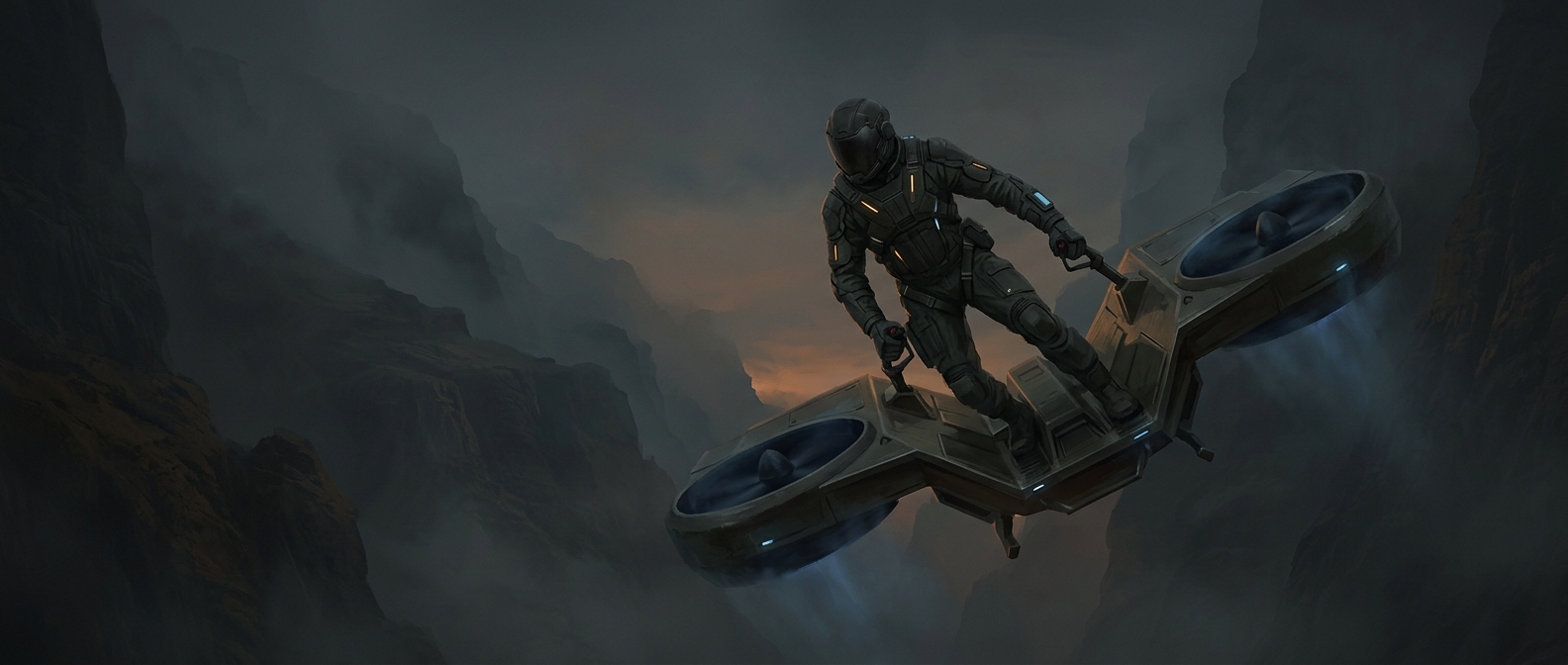
Because the craft barely presses on the surface, it also gets little traction from it. A hovercraft generally moves forward using a separate propeller or fan, while rudders redirect the thrust to steer. Turning and stopping can therefore feel less like driving a car and more like managing a vehicle that keeps sliding after its push changes direction.
The air cushion trades contact for access: it can carry a load across places that would bog down wheels or snag a boat, but it cannot rely on the ground to help it brake or turn. In a swamp, that means the craft can skim over mud without sinking into it—while its pilot still has to plan ahead for a slippery stop.