Why an air cushion does not make a hovercraft a road vehicle
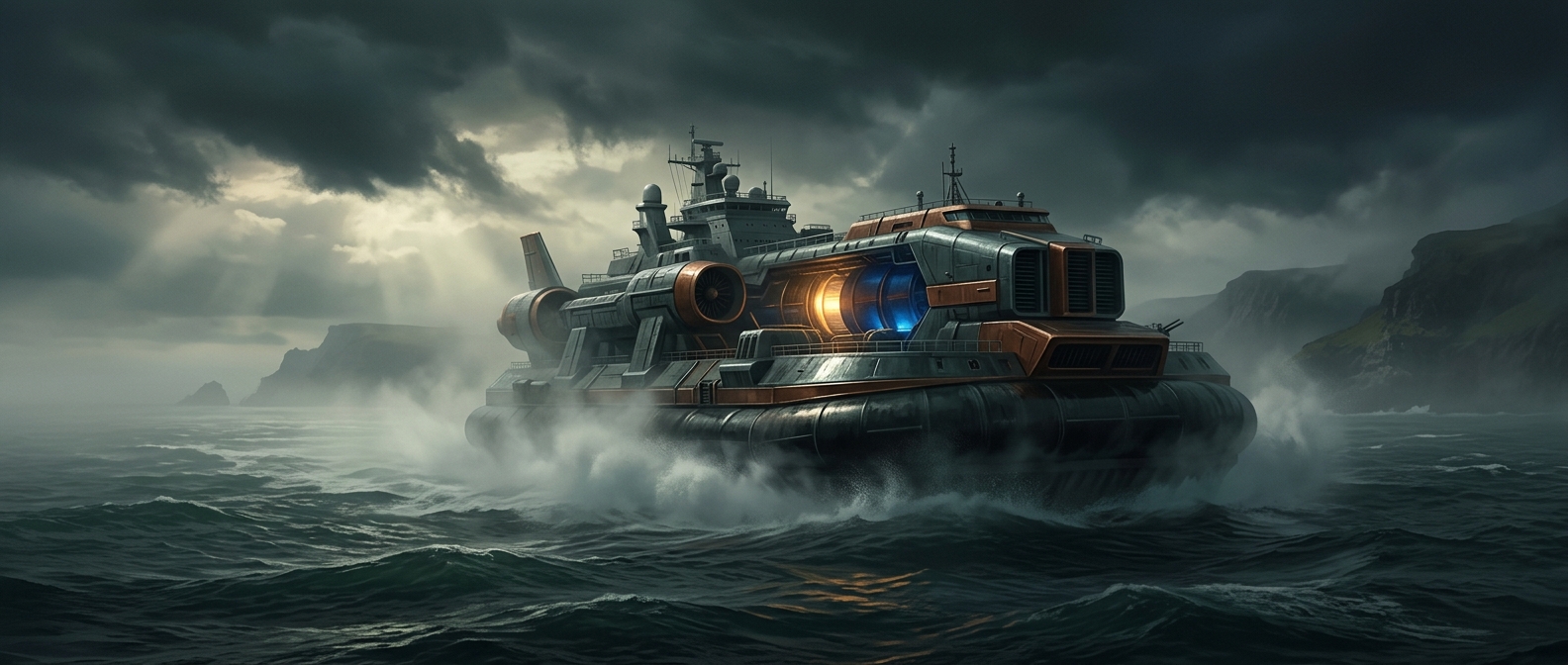
A hovercraft’s lift fans force air beneath its hull, inflating a flexible skirt and raising the craft above the surface. Separate propellers or other drive systems move it forward. Because it does not need wheels—or even continuous contact with the water—it can cross water, mudflats, ice, and sometimes land. But when it carries people or cargo across a waterway, its job resembles a vessel’s: it must travel among other water traffic and manage the risks of a voyage.
The rules follow the trip, not the contact point
Road regulations are built around roads, wheels, and vehicles that steer and stop in traffic lanes. Maritime rules address a different setting: open water, navigation channels, changing visibility, and the possibility of collision or distress far from shore. A hovercraft traveling over water faces those same practical problems, even though a cushion of air separates its hull from the surface.
That is why maritime law is generally the more useful framework for a hovercraft operating as a waterborne conveyance. Depending on the jurisdiction and the craft’s use, vessel-related rules can govern matters such as navigation, safety equipment, registration, and operation. The exact requirements can differ; the important point is that the craft’s unusual engineering does not erase the hazards and responsibilities of moving through waterways.
One machine, different operating environments
The classification also reflects hovercrafts’ in-between nature. The same craft may leave a beach, cross a bay, and continue over a stretch of land. Its legal treatment can therefore depend on where and how it is being used, rather than on a simple claim that it is always a ship or always a road vehicle.
In practice, a hovercraft crossing a busy channel must be treated as part of the water traffic around it—not as an exception to the rules simply because it rides on air.