Why a container ship can run with a small crew
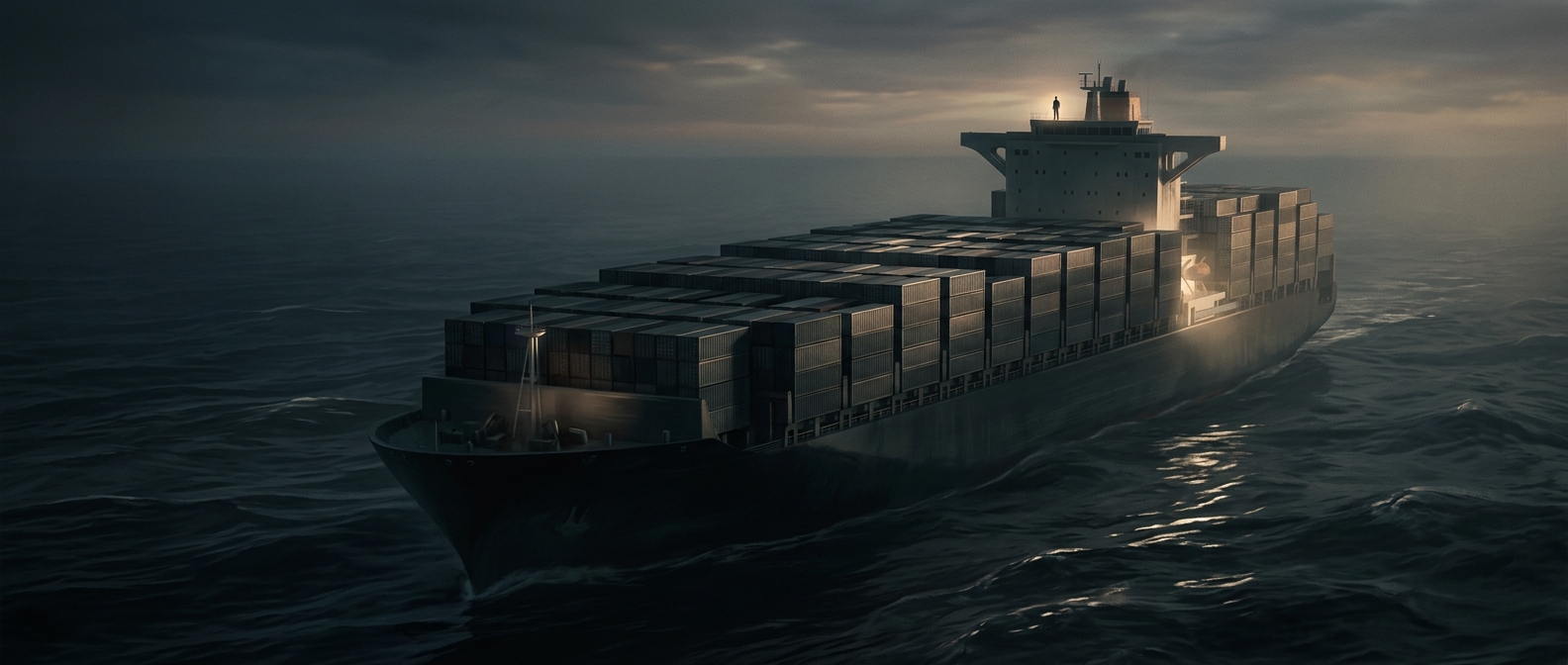
A container ship is not a floating warehouse that needs someone to handle every box. Its cargo is arranged in standardized steel units, secured in stacks, and moved by cranes at port. Once the voyage begins, the crew’s work is less about touching cargo than managing a vessel carrying it.
On the bridge, officers plot the route, monitor the ship’s position and weather, and keep watch for other traffic. Watchkeeping matters even when navigation systems are doing much of the measuring: people must interpret what the instruments show and respond when conditions change.
Automation reduces routine work, not responsibility
Modern machinery can monitor engines and other equipment, regulate some operations, and alert crew to problems. That lets a small team oversee systems that once demanded more constant hands-on attention. But an alert is not a repair, and automation does not decide how to handle every unusual situation. Crew members still inspect equipment, perform maintenance, and respond to failures or emergencies.
The ship’s small head count also depends on work done elsewhere. Port workers and shore-based crews operate the cranes that load and unload containers. Standard sizes make boxes compatible with equipment across ships and terminals, so cargo can move through a coordinated system without a shipboard worker accompanying each container.
The real constraint is safe oversight
Crew size is therefore shaped by the tasks that remain aboard: navigation, machinery supervision, maintenance, and safety. A ship may carry thousands of containers, but those units are secured cargo, not thousands of separate jobs for its crew. The operational challenge is keeping a very large vessel and its systems under watch—not personally tending every box.