How a ferry counters an uneven load
A vehicle deck can gain weight quickly when trucks drive aboard on one side. That weight shifts the ship’s center of gravity sideways, making the hull lean, or heel. The ship does not simply tip over: its submerged hull pushes against the water, and that buoyant force helps produce a restoring force. But a growing heel can make loading unsafe and reduce the vessel’s margin of stability.
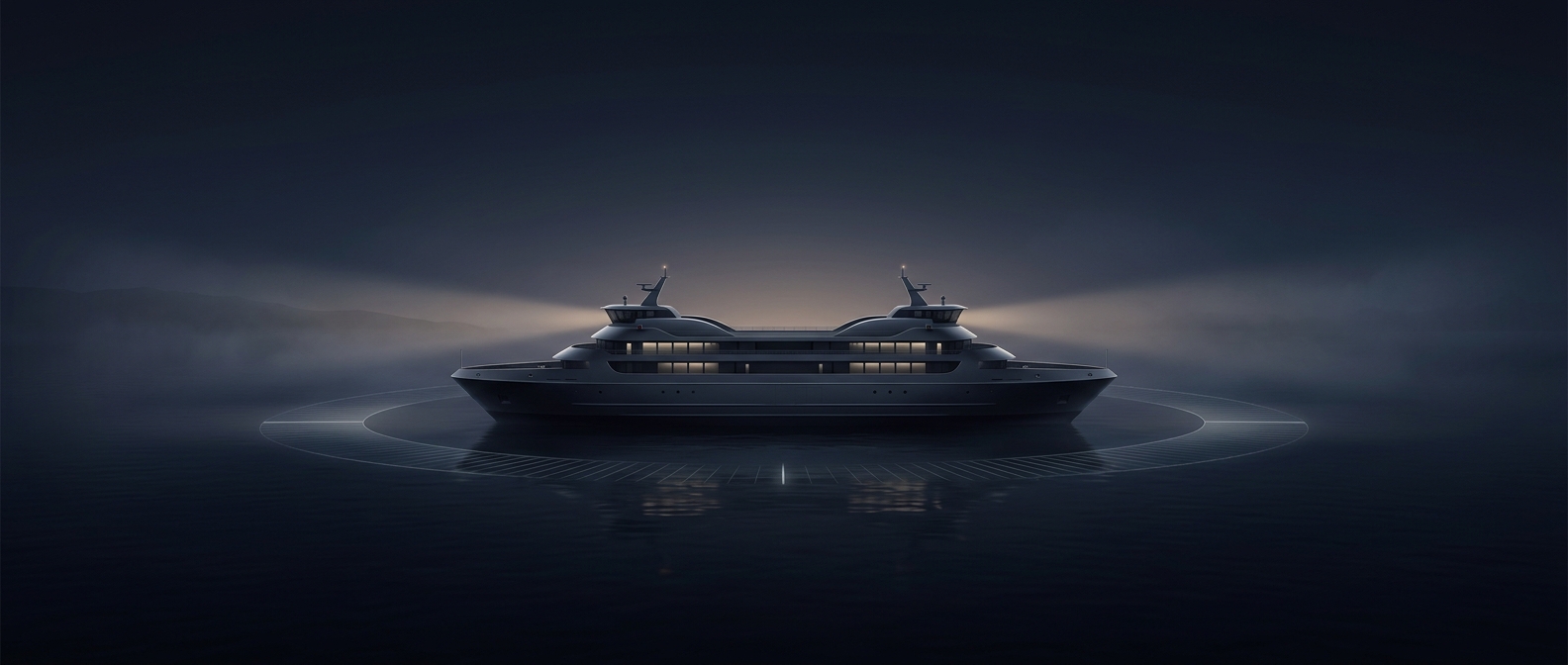
On a large Ro-Ro ferry such as MV Ulysses, an anti-heeling system can move ballast water between tanks on opposite sides of the hull. As loading creates a sideways imbalance, pumps transfer water toward the opposite side. The water’s weight produces a counteracting turning force, helping keep the deck closer to level while vehicles are loaded.
Why the water need not match the trucks
The system balances turning effects, not simply the total weight on each side. A weight’s leverage depends on how far it sits from the ship’s centerline, so the amount of ballast needed depends on both the cargo and the tanks’ positions. Moving water also takes time; the system can reduce heel during loading, but it does not make a ship immune to poor loading or rough conditions.
That is why vehicle placement and loading sequence still matter. Crew follow a loading plan, while ballast adjustments help manage the changing weight distribution. The practical result is a steadier working deck as heavy vehicles arrive—an important safeguard when the cargo itself is moving under its own power.