How Belgium’s beer traditions became so varied
Belgium’s beer diversity is not simply a matter of breweries inventing different names for similar drinks. For generations, brewing developed locally, and brewers built distinct beers around the ingredients, methods, and tastes available in their communities. Over time, those choices became traditions: a beer might be associated with a particular town, brewery, or way of fermenting and aging it.
Yeast can change the whole character
Fermentation—the process in which yeast turns sugars into alcohol—helps explain the range. Many beers use selected yeast strains that produce familiar flavors, but some Belgian brewers rely on wild yeasts and bacteria that enter during open fermentation. In beers such as lambic, that less-controlled process can create tart, complex flavors, and aging or blending can further shape the result.
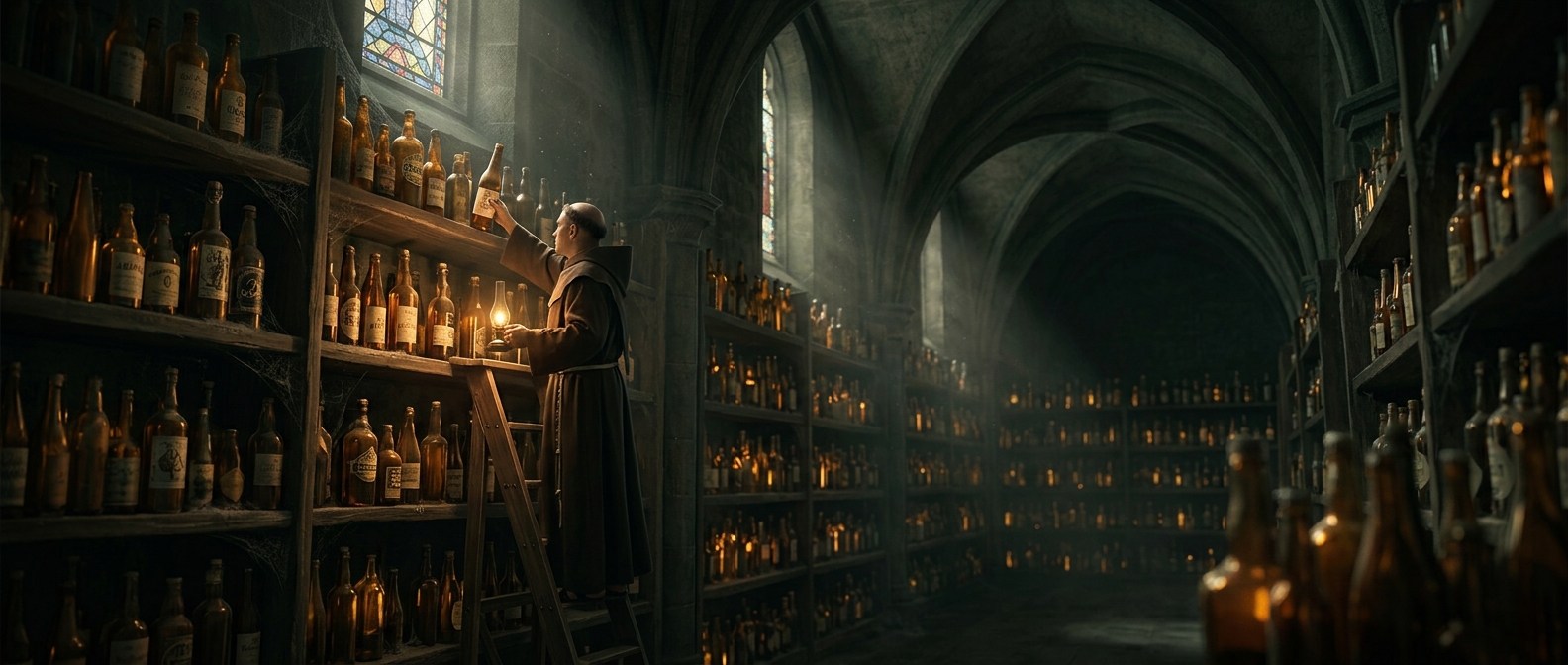
Other traditions emphasize strong, bottle-conditioned ales, in which yeast continues working after bottling and gives the beer natural carbonation. Monastic breweries are one part of this history, but Belgium’s beer culture also grew through independent and local commercial brewers; no single institution accounts for its variety.
A tasting becomes a map
For visitors, the differences make beer a way to explore place as well as flavor. A menu may distinguish beers by fermentation method, strength, age, or local style, and the serving glass can be chosen to suit a particular beer’s aroma and foam. Trying contrasting styles side by side reveals the underlying story: Belgium’s beer landscape is a collection of brewing choices preserved and adapted over time, not one national recipe.