How infection changes the brain’s temperature setting
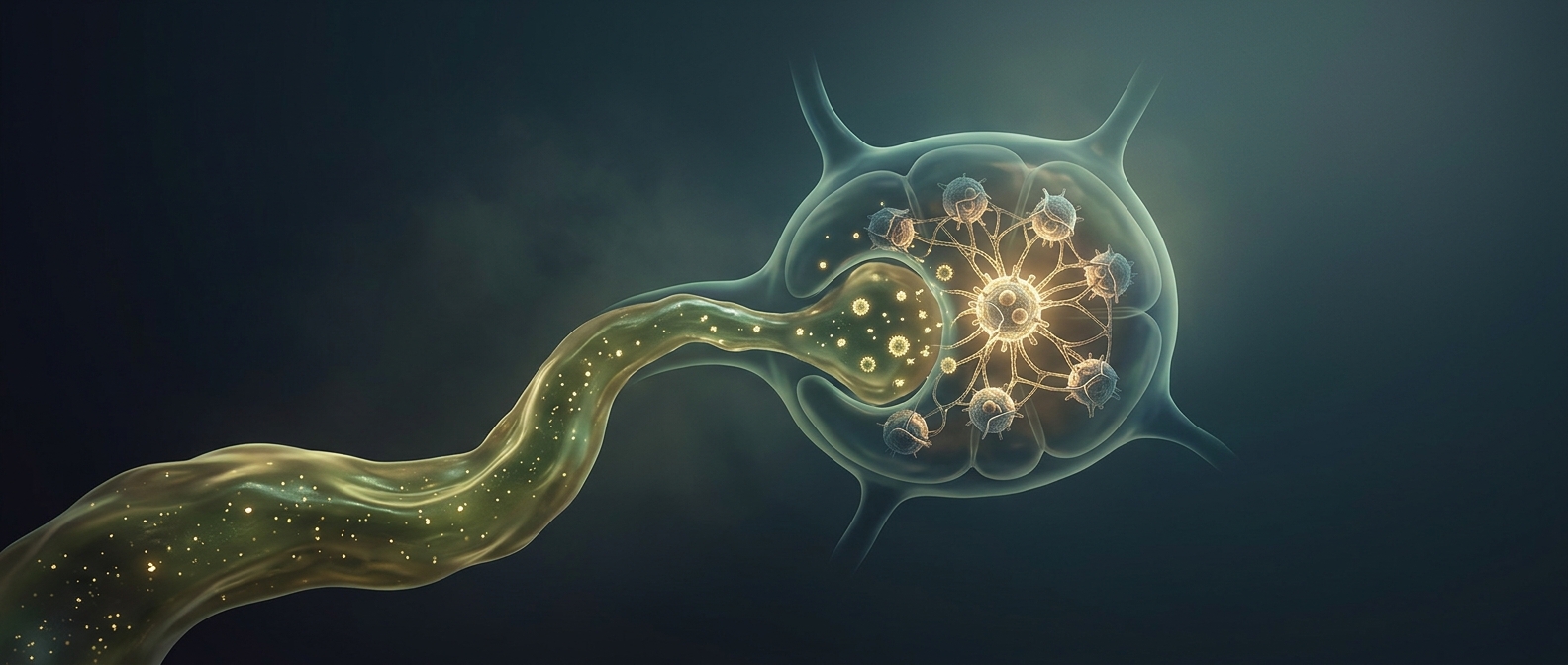
A fever is not simply heat produced by a virus. During an infection, immune cells release chemical signals called pyrogens. These signals prompt the hypothalamus—a small brain region that helps regulate body temperature—to raise the body’s temperature set point. The brain then treats the previous temperature as too cold.
That shift explains the chills and shivering that can come at the start of a fever. Blood vessels near the skin narrow to conserve heat, and muscle contractions generate more of it. Once the body reaches its new target, the shivering often eases. When the set point later returns toward normal, sweating and flushed skin help release excess heat.
A defense, not a way to cook germs
Higher temperatures can make conditions less favorable for some infectious microbes and can support parts of the immune response. But a fever does not literally cook invaders alive: ordinary fever temperatures are far below those used to kill microbes with heat outside the body. The effect is a shift in the body’s internal environment, not sterilization.
Fever is therefore a regulated response, not a temperature spiral with no limit. It can also make a person feel miserable and raise the body’s workload, so the useful response has costs. The key detail is that the sensation of being cold during a rising fever reflects the brain’s temporarily higher target—not a contradiction in how the body is trying to warm itself.