Why Las Vegas built hotels as part of the attraction
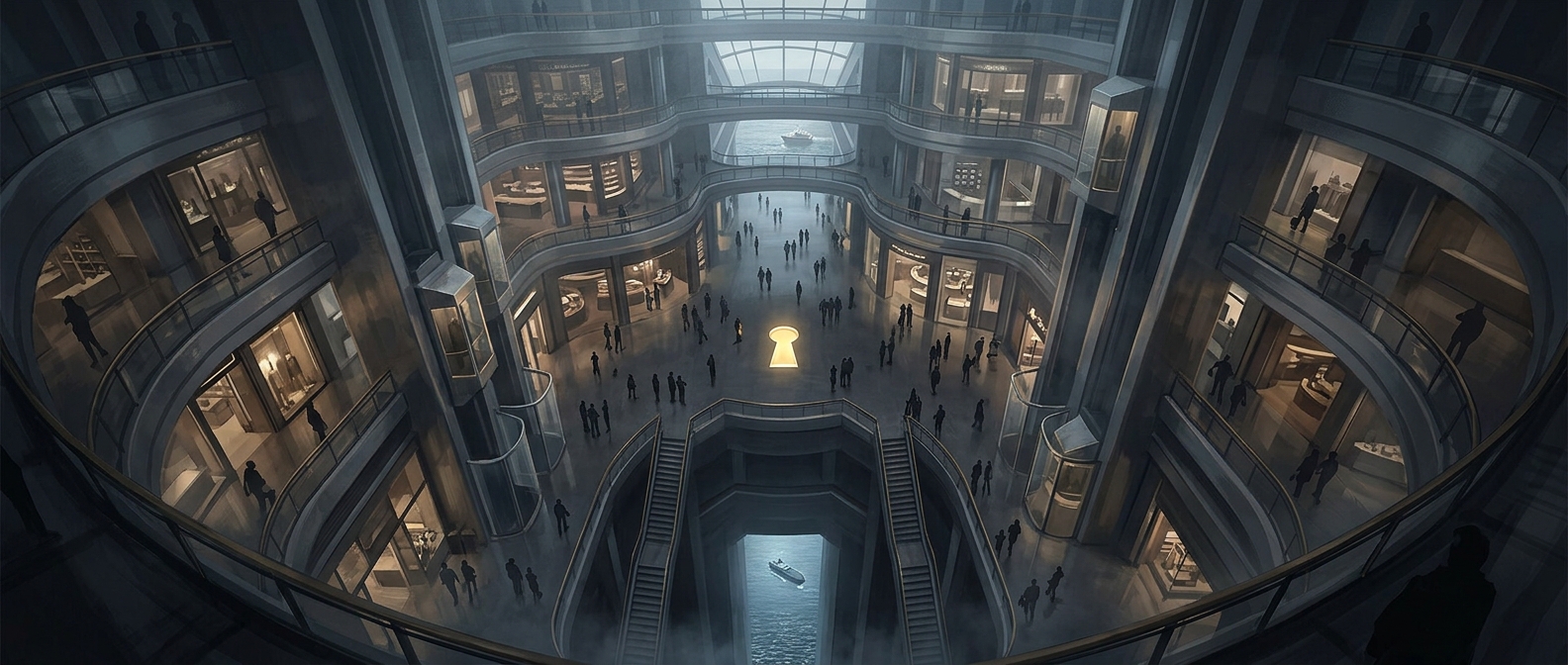
Las Vegas hotels are not just places to sleep between sightseeing stops. Many are resort-casinos: large properties that combine lodging with gambling, restaurants, shows, shopping, pools, and convention space. That arrangement gives operators a reason to build far more rooms than the surrounding residential population would require. A visitor can book a room, dine, see a performance, and spend much of a trip inside the same complex.
The rooms also support the rest of the business. More guests mean a larger audience for restaurants, entertainment, and casino floors; those attractions, in turn, make a property easier to market. The hotel is both accommodation and part of the product being sold.
A city built to serve visitors
The Strip’s concentration reflects Las Vegas’s role as a destination for visitors arriving from elsewhere, rather than a pattern of hotels spread across a large local population. Large resort properties can cluster along the same corridor, where each one adds another attraction to a trip built around choosing among nearby shows, restaurants, and casinos.
Conventions add another source of demand. Meeting attendees need rooms as well as event space, and a major resort can house guests close to where they meet. That makes hotel capacity useful even for travelers whose primary reason for coming is business rather than gambling or entertainment.
Why the room count matters
A high concentration of rooms creates a distinctive travel experience: visitors can move from one enormous resort to another without leaving the destination’s main visitor corridor. It also means Las Vegas depends on a steady flow of travelers. When tourism or conventions slow, the effects reach beyond empty beds to the restaurants, shows, and other businesses that rely on hotel guests.