Why a compact jaw muscle can bite so hard
The masseter runs from the cheekbone to the lower jaw. When it contracts, it pulls the jaw upward, closing the mouth. Because it is thick and can generate substantial tension in a small space, it is often described as exceptionally strong relative to its weight.
But the masseter does not work alone. Other jaw muscles help close and position the jaw, and the bite is the result of their combined pull acting through the jawbone.
The jaw acts like a lever
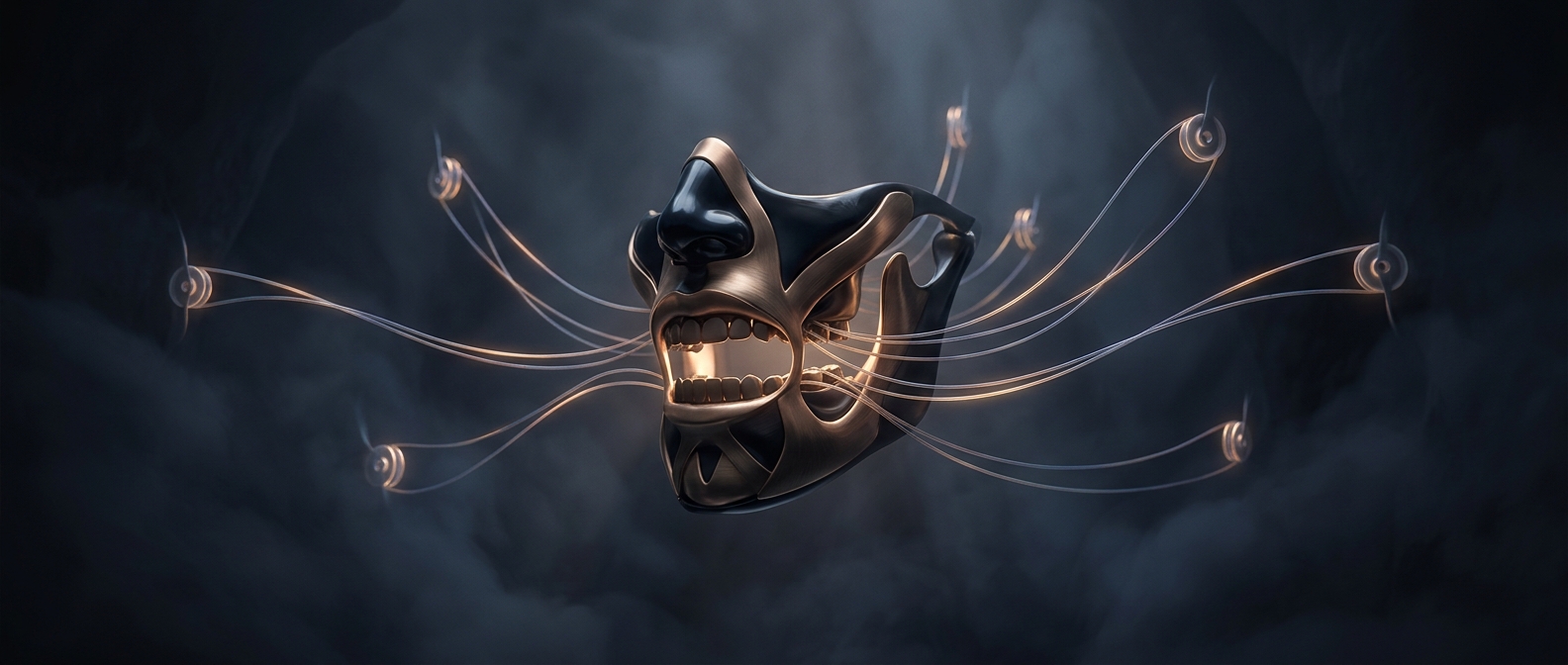
The lower jaw pivots near the ears. The chewing muscles pull close to that pivot, while the food is held farther forward at the teeth. At the molars, the geometry lets muscle effort produce a large clamping force—potentially up to about 200 pounds in a powerful bite.
That figure describes force, not pressure, and it is not a fixed output for every person or every chew. The bite also changes with where food sits: the molars are closer to the jaw muscles’ pull than the front teeth, so they can clamp especially forcefully.
This arrangement makes tough food easier to crush without requiring a huge muscle. A compact muscle can do heavy work because the jaw’s shape turns its pull into a strong bite at the back teeth.