A Private Room in the Crowd
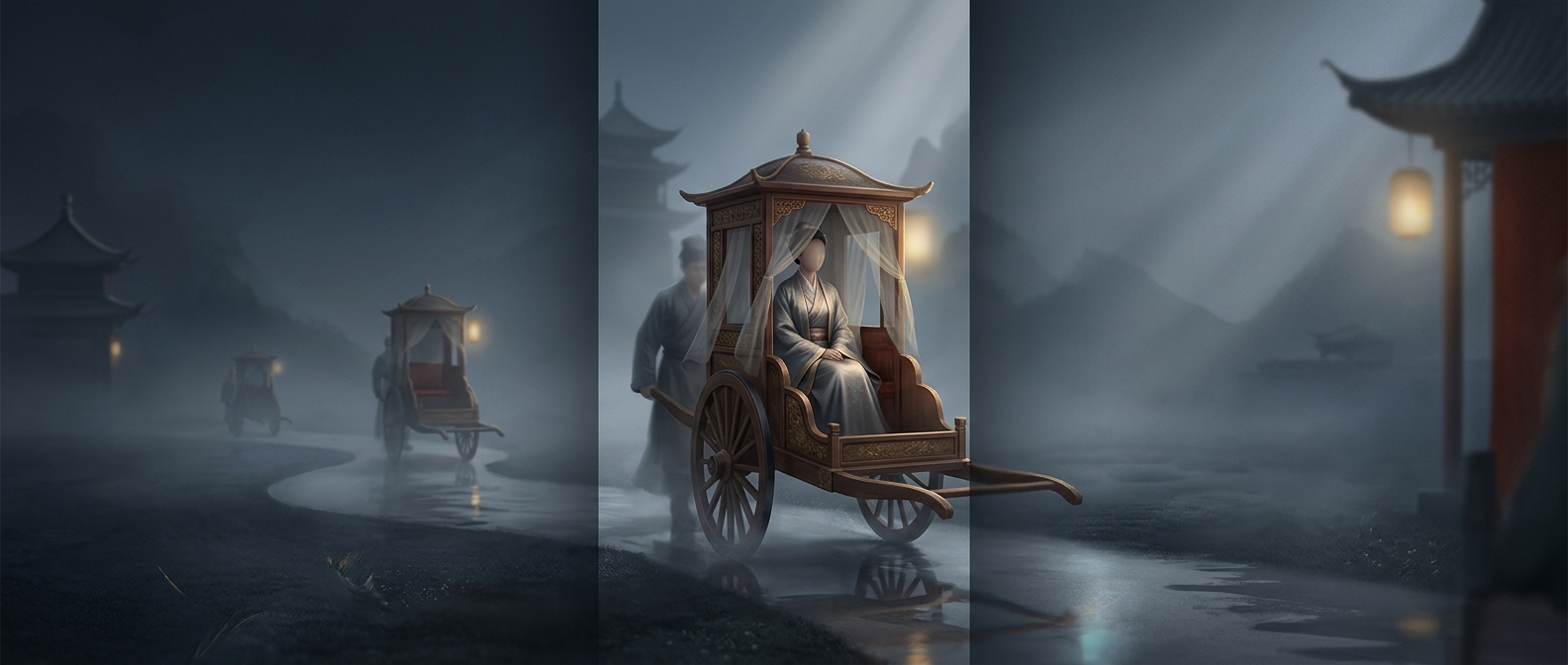
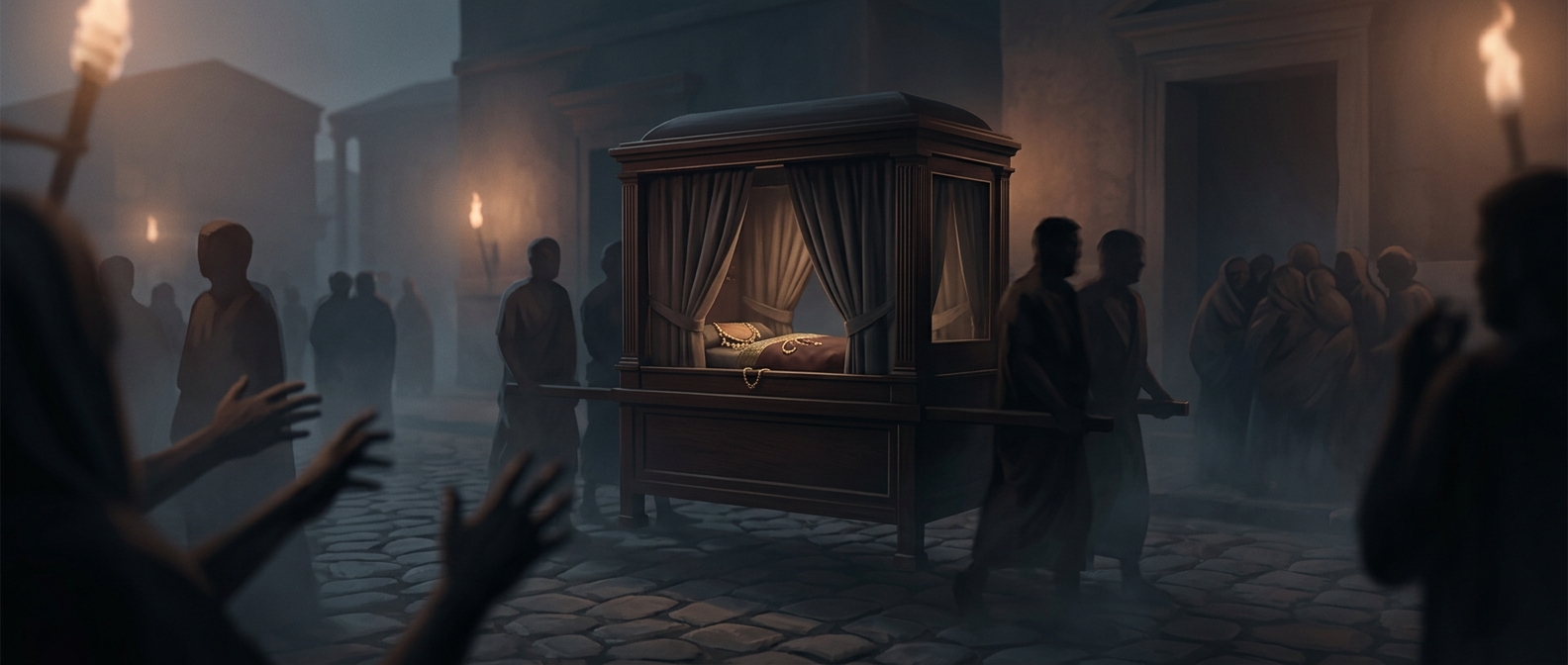
A Roman litter turned a journey through public streets into something closer to a small, movable room. Its passenger could sit or recline while attendants carried the frame, keeping the body above the jostling flow of pedestrians. Curtains made that space adjustable: drawn, they screened the passenger; opened, they let in air and allowed the rider to look out.
That mattered in a city where travel meant sharing streets with other people, animals, and traffic—not moving inside a sealed vehicle. A curtain could soften the glare and keep grit from blowing directly onto a passenger without requiring a solid enclosure that would make the litter heavier and harder to carry.
Comfort Also Signaled Rank
The arrangement depended on human labor. Bearers had to support the passenger’s weight and coordinate their steps, so a litter represented not only a comfortable way to travel but access to a household staff. Its curtains hid the passenger, but the carried conveyance and its attendants still made the owner’s means visible.
That was the useful social paradox: a wealthy Roman could withdraw from the street without disappearing from it. The curtains controlled how much of the passenger others could see, while the procession around the litter announced that someone important was passing.