A Thrill With a Respectable Alibi
In the 1880s, advocates of the new amusement parks faced a familiar problem: city leisure often meant places reformers regarded as disreputable, especially saloons and gambling rooms. A roller coaster offered a different kind of excitement—one that could be enjoyed in public, in daylight, and without alcohol or betting. At Coney Island, LaMarcus Adna Thompson’s Switchback Railway was presented as a wholesome attraction as well as a thrilling one.
That framing helped make a startling ride seem socially acceptable. The coaster was not calm entertainment; its appeal depended on speed, height, and the sensation of losing control. But riders experienced those dangers within a managed setting, buying a ticket and following a fixed track rather than entering a saloon’s uncertain world.
How the Switchback Made Thrills
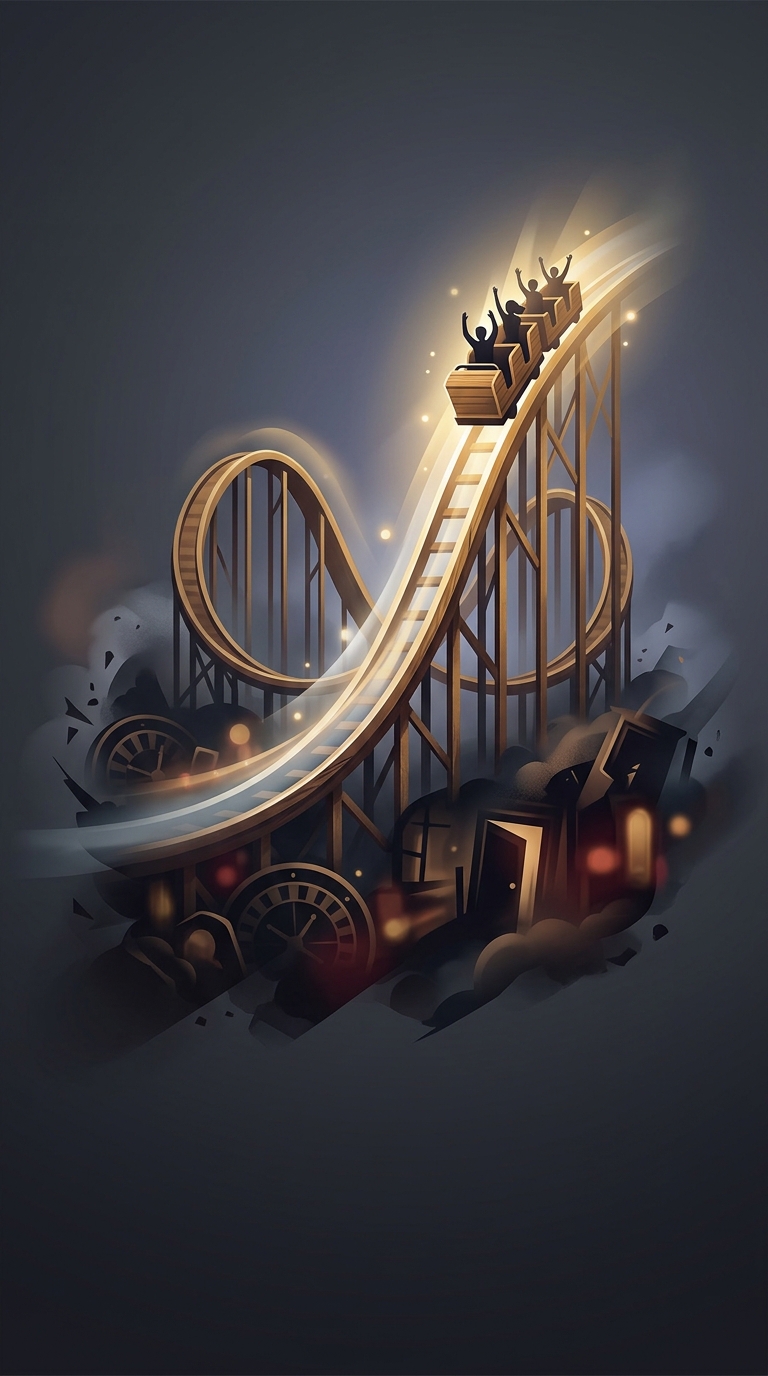
Thompson’s railway used gravity rather than a powered lift to propel its cars. Passengers climbed to an elevated platform, boarded a car, and rolled down a track. At the end, the car was transferred to a parallel track for the return journey. The route’s repeated drops and turns created excitement while keeping the ride’s movement confined to a predictable path.
That combination mattered: the coaster made risk feel vivid without making it uncontrolled. The rider could feel a rush, then step off safely and return to ordinary life. The track turned danger into a timed, ticketed experience.
A New Kind of Public Leisure
The Switchback Railway was part of a broader shift toward commercial amusements: businesses could charge visitors for shared entertainment rather than relying on drinking or gambling to draw a crowd. The moral appeal and the commercial one reinforced each other. A ride promoted as respectable could attract families and other visitors who might avoid more notorious venues, while the physical thrill gave them a reason to pay.
The lasting change was not that roller coasters removed temptation from city life. It was that they helped establish a new destination for excitement—one where the drama ended at the station, and the next thrill could be bought with another ticket.