A car turned into a deterrent
Charl Fourie’s Blaster answered a frightening problem with an unusually direct engineering idea: make a carjacking attempt appear physically dangerous before a thief could reach the driver. In South Africa in the late 1990s, the proposal was not to make a car harder to steal in the ordinary sense. It was to make approaching one seem like a worse gamble.
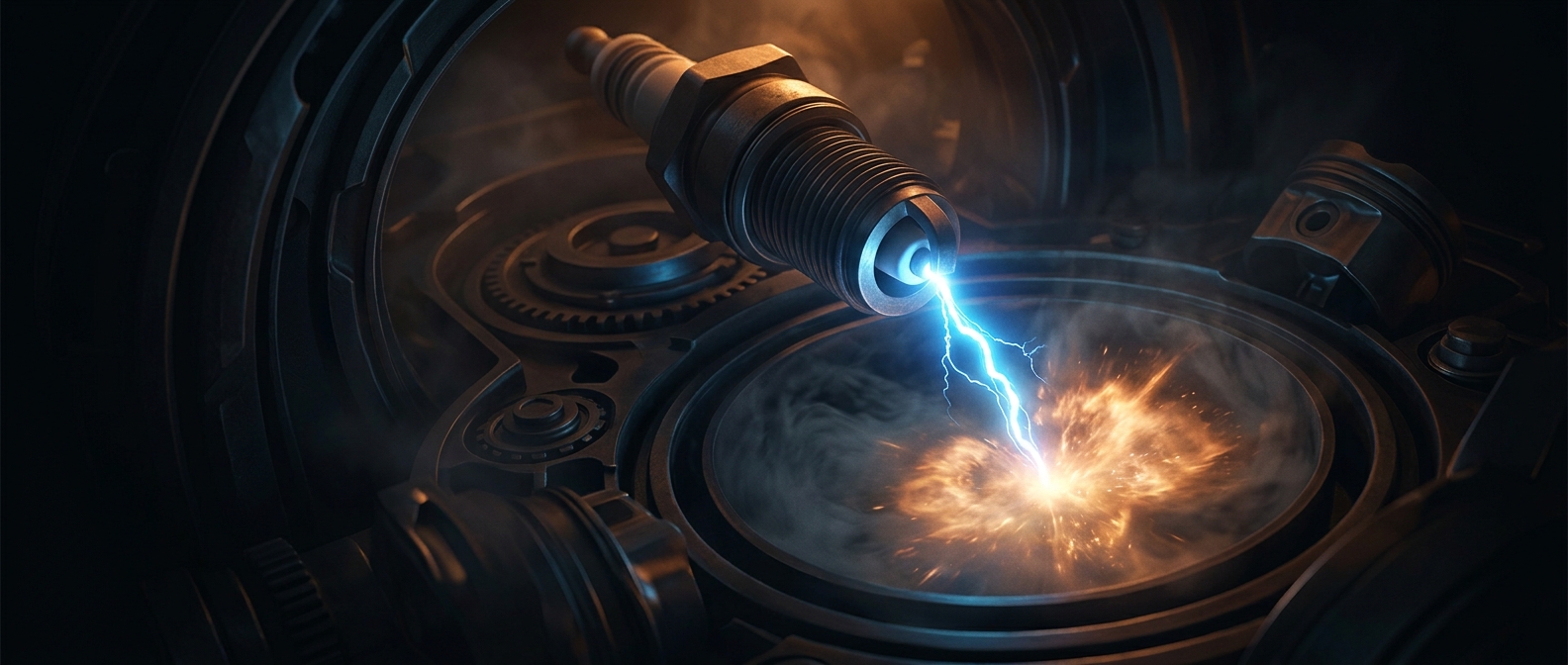
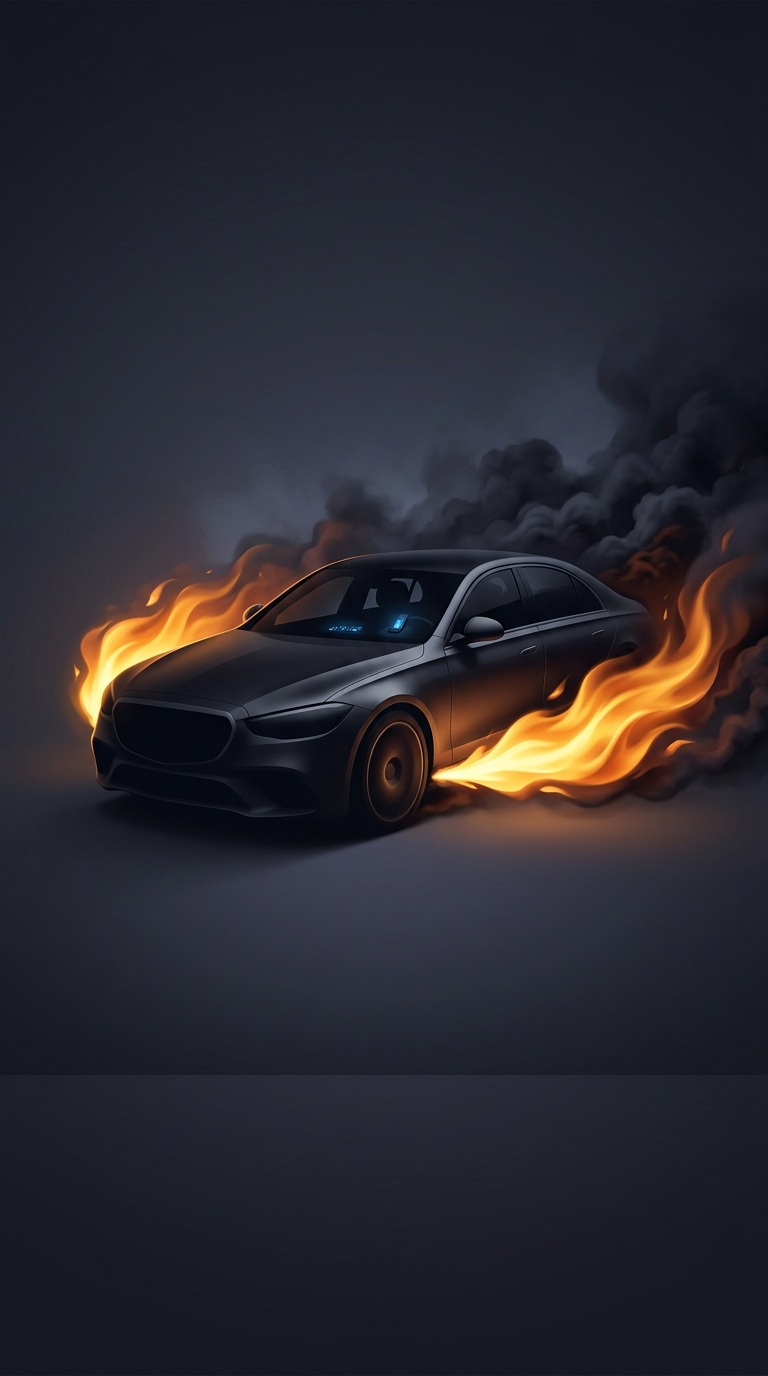
The device added a separate fuel-and-ignition system to the vehicle. When activated, LPG—liquefied petroleum gas—fed nozzles along the car’s sides, and sparks ignited the escaping gas. The result was a burst of flame beside the car. The intended chain was simple: a visible threat would make a would-be attacker hesitate, giving the driver a chance to escape.
The hard part was controlling the danger
A car-mounted flamethrower could not distinguish a carjacker from anyone else nearby. Its flames also created an obvious hazard around the vehicle and its occupants. That made the Blaster a stark example of a transport-safety tradeoff: a system meant to protect the person inside could expose that person, bystanders, and surrounding property to a new danger.
The idea’s impact depended less on defeating a thief than on changing the thief’s calculation. That is why it drew attention as an improbable security solution—and why it earned Fourie an Ig Nobel Peace Prize. Its memorable lesson is that adding force to a vehicle can make danger visible, but visibility is not the same as control.