A treatment that left its mark
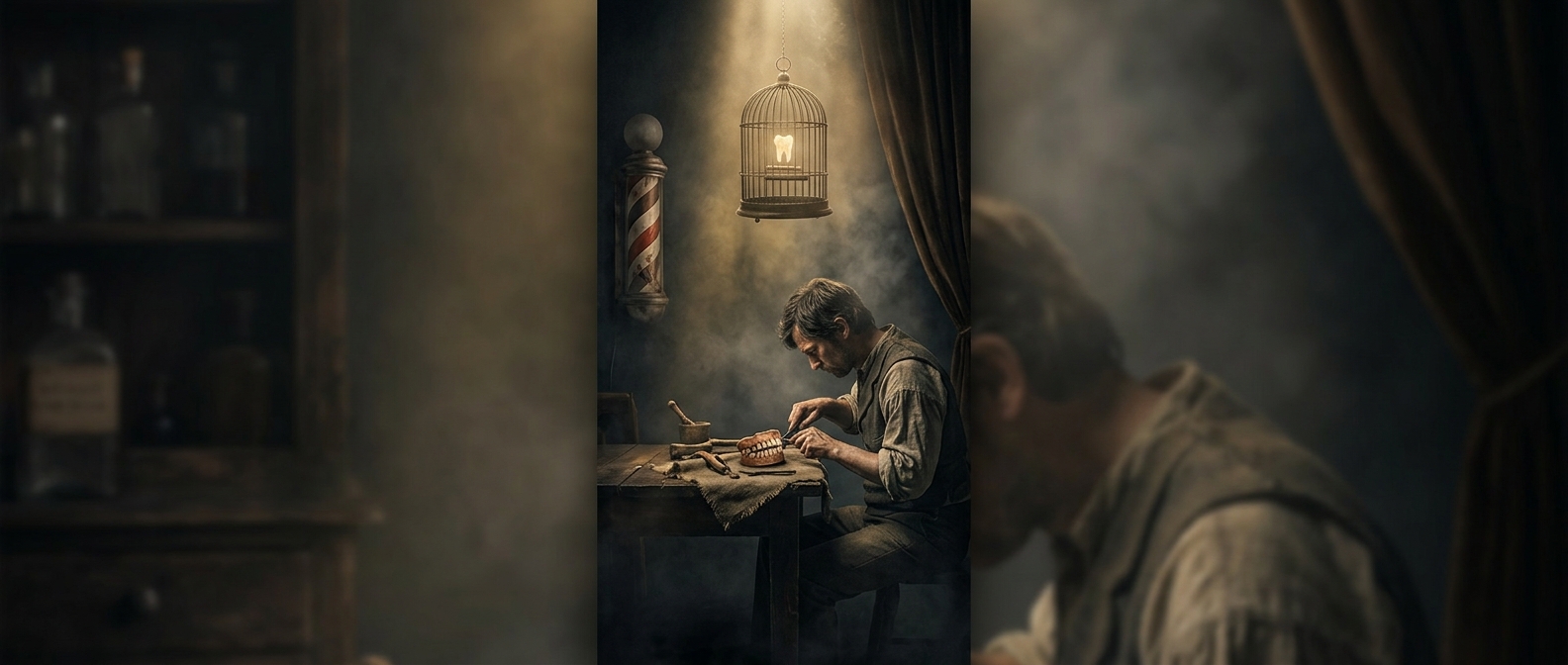
For centuries, bloodletting was a routine response to illness. Many practitioners believed that sickness came from an imbalance in the body’s fluids, so removing blood seemed a way to restore balance. Barber-surgeons performed the procedure alongside work such as shaving and hair cutting: they had sharp tools and practical experience treating the body, even though their role differed from that of a physician.
To make a vein easier to reach, a patient could grip a stick tightly. The effort made veins in the arm more prominent. After the cut, the practitioner wrapped the wound in a bandage.
From procedure to shop sign
The barber pole condensed those steps into a recognizable emblem. Its red and white stripes recall blood and the bandages used to cover the wound; the pole evokes the stick held during the procedure. What had been equipment for a medical practice became a sign customers could spot outside a shop.
That transformation is why the familiar striped pole carries a more unsettling history than its cheerful storefront role suggests: it points back to an era when removing blood was considered ordinary care.