A badger’s small fears, made enormous
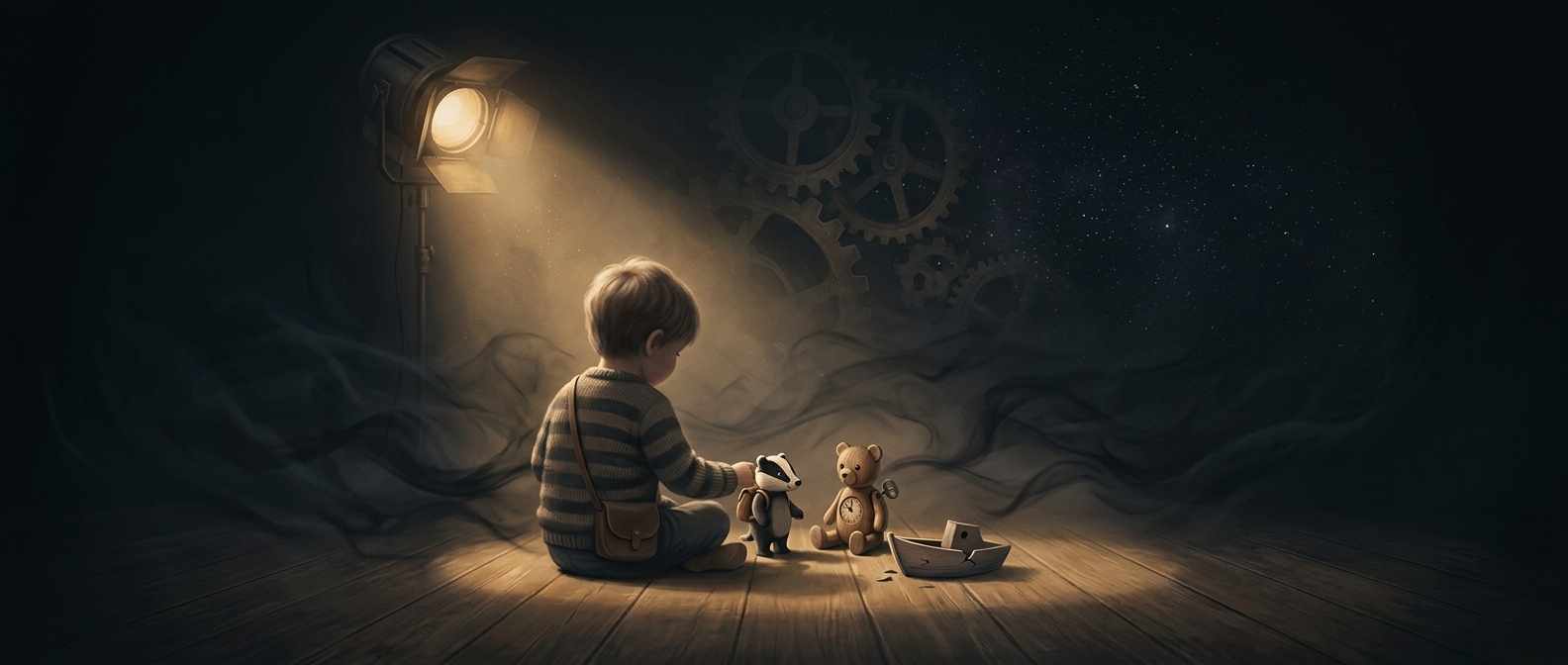
In Russell Hoban’s Frances stories, the danger is often ordinary: a child is asked to go to bed, give something up, or accept that a parent has made a decision. Frances responds with the intensity of someone for whom a small disappointment can feel like a loss of safety. That gap between the modest event and the size of her feelings is where the books’ darker undertow begins.
Hoban does not need to turn family life into a horror story. He lets a child’s imagination enlarge familiar separations and limits. A parent’s refusal can feel like abandonment; the passage of time and the fact that adults control so much of a child’s world can make everyday routines carry a faint awareness of vulnerability. The gentle tone stays intact, but the feelings underneath it are not trivial.
From a child’s voice to a broken future
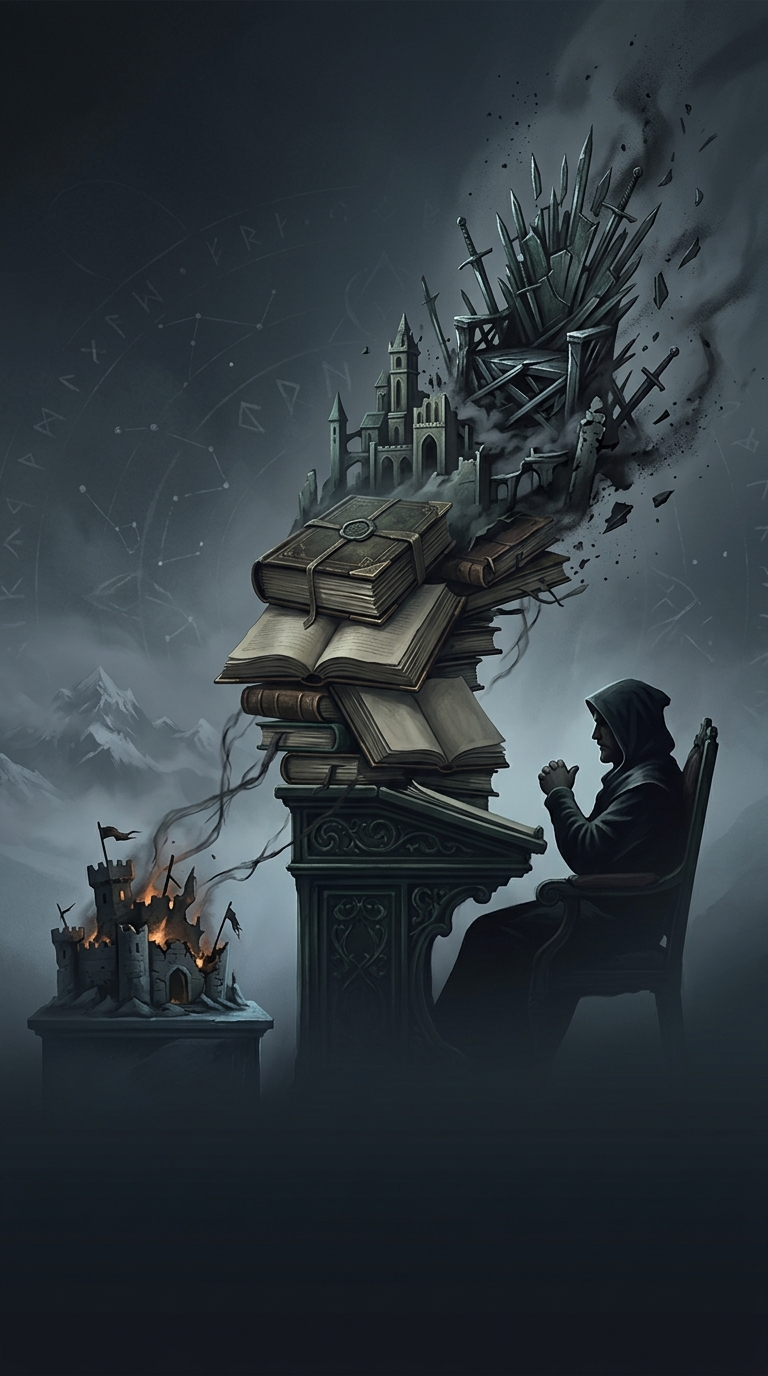
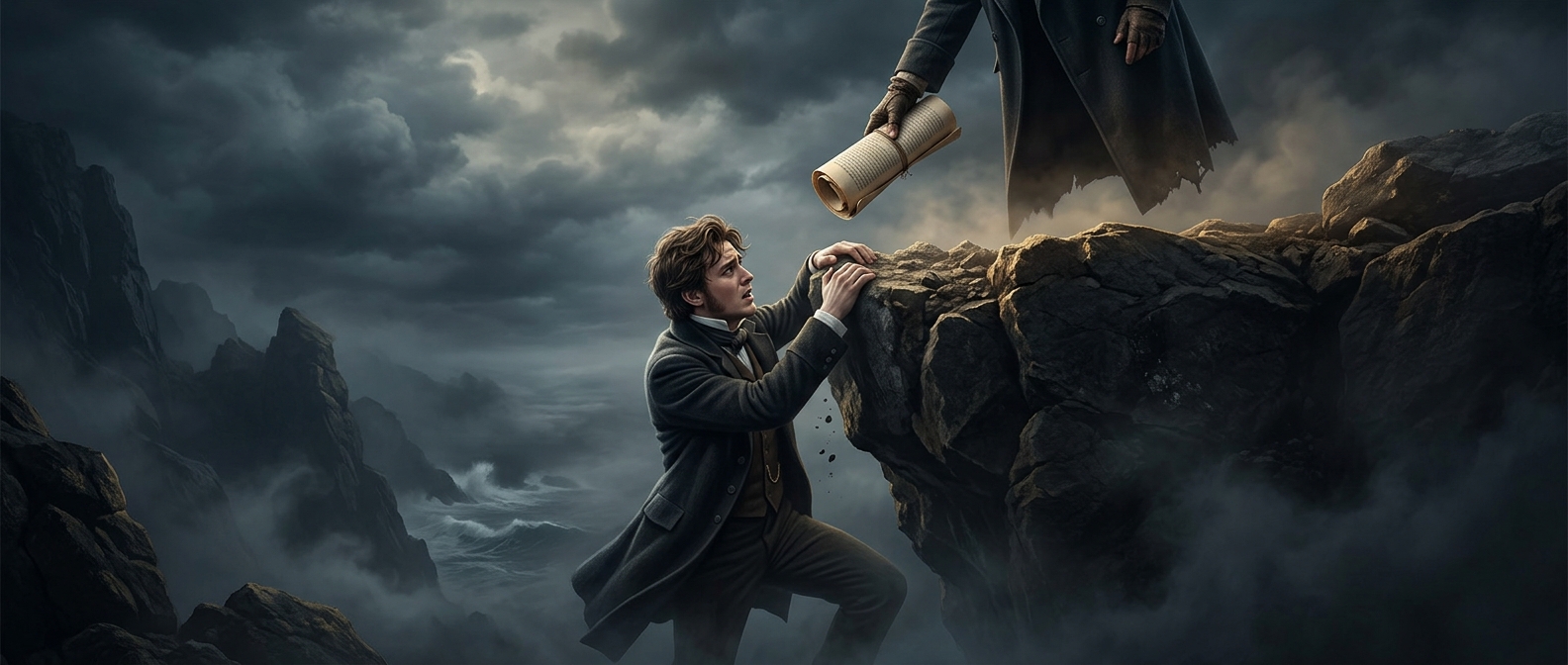
Hoban explored a far more overt version of vulnerability in Riddley Walker, a post-apocalyptic novel narrated in deliberately broken English. Its damaged language makes the reader work to understand the world, as if both speech and shared knowledge have been partly lost. The form is not merely an unusual accent: it makes cultural collapse felt in the act of reading.
The distance between Frances and Riddley Walker is striking, but the connection is not that the children’s books secretly predict catastrophe. It is that Hoban could take a fragile point of view seriously, whether it belonged to a badger negotiating family life or a survivor trying to make sense of a shattered society. In the Frances stories, existential dread arrives at a child’s scale: not as the end of the world, but as the fear that the people and rules holding the world together might not always be there.