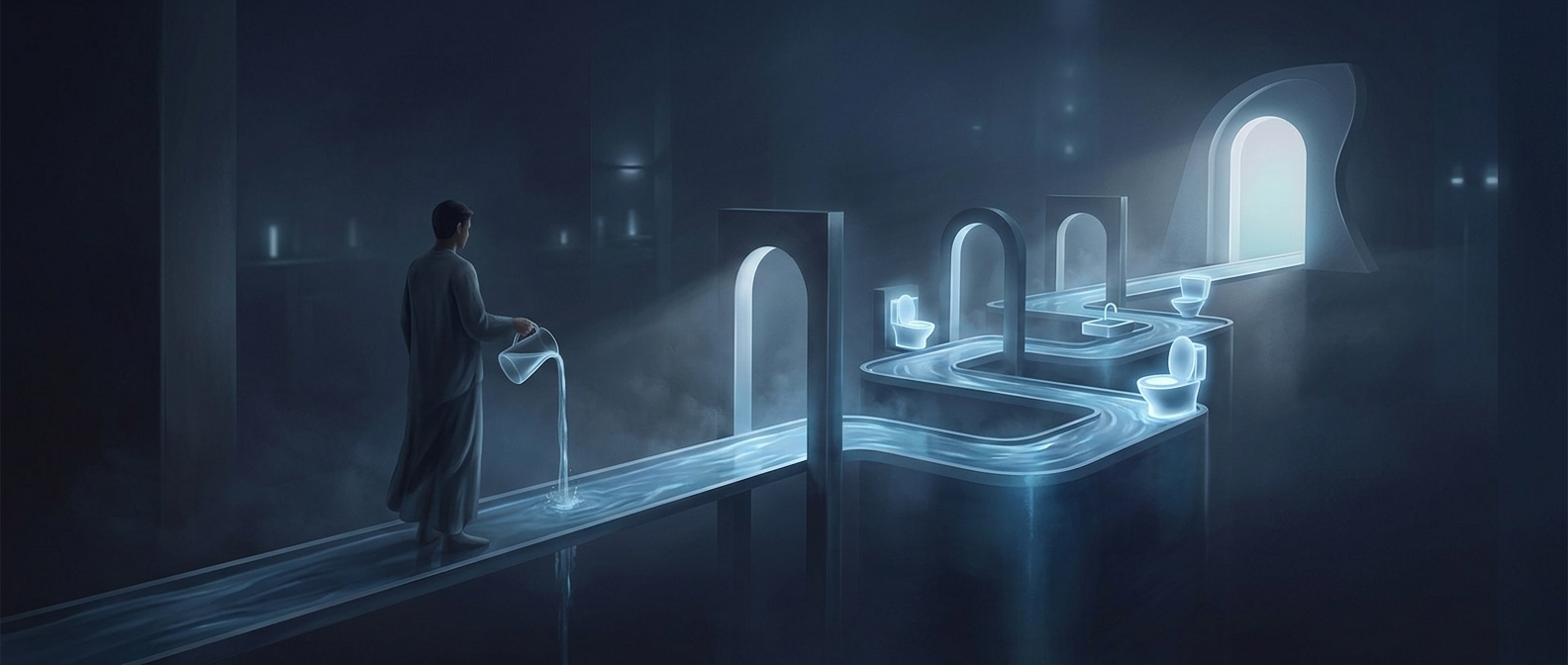
Why the effect starts in the kidneys
After filtering blood, the kidneys reclaim much of its water and dissolved sodium before the leftovers become urine. Diuretics interfere with that reclaiming process at specific points along the kidney’s tiny filtering tubes. Because sodium helps hold water in the bloodstream, leaving more sodium in the urine also draws more water into it.
Different diuretics act on different parts of these tubes. Some reduce sodium uptake early in the process; others act farther along, where the kidneys normally fine-tune how much salt and water to keep. The shared result is less fluid returned to the blood and more sent toward the bladder.
More urine is part of a larger effect
The extra fluid loss can reduce the amount of fluid circulating in the body. That is why diuretics are used for problems such as high blood pressure and fluid buildup: they help the body shed fluid that is contributing to the problem. The bathroom trips are the visible end of a change that begins in the kidney’s handling of salt.
The tradeoff is that the kidneys may also lose more sodium or other minerals than intended, and too much fluid loss can leave a person dehydrated. The effect depends on the particular medicine and the person taking it, so dose and timing matter. A diuretic does not simply “empty the bladder”; it changes what the kidneys return to the bloodstream, and the bladder fills faster as a consequence.