When a Dream Could Guide a Hunt
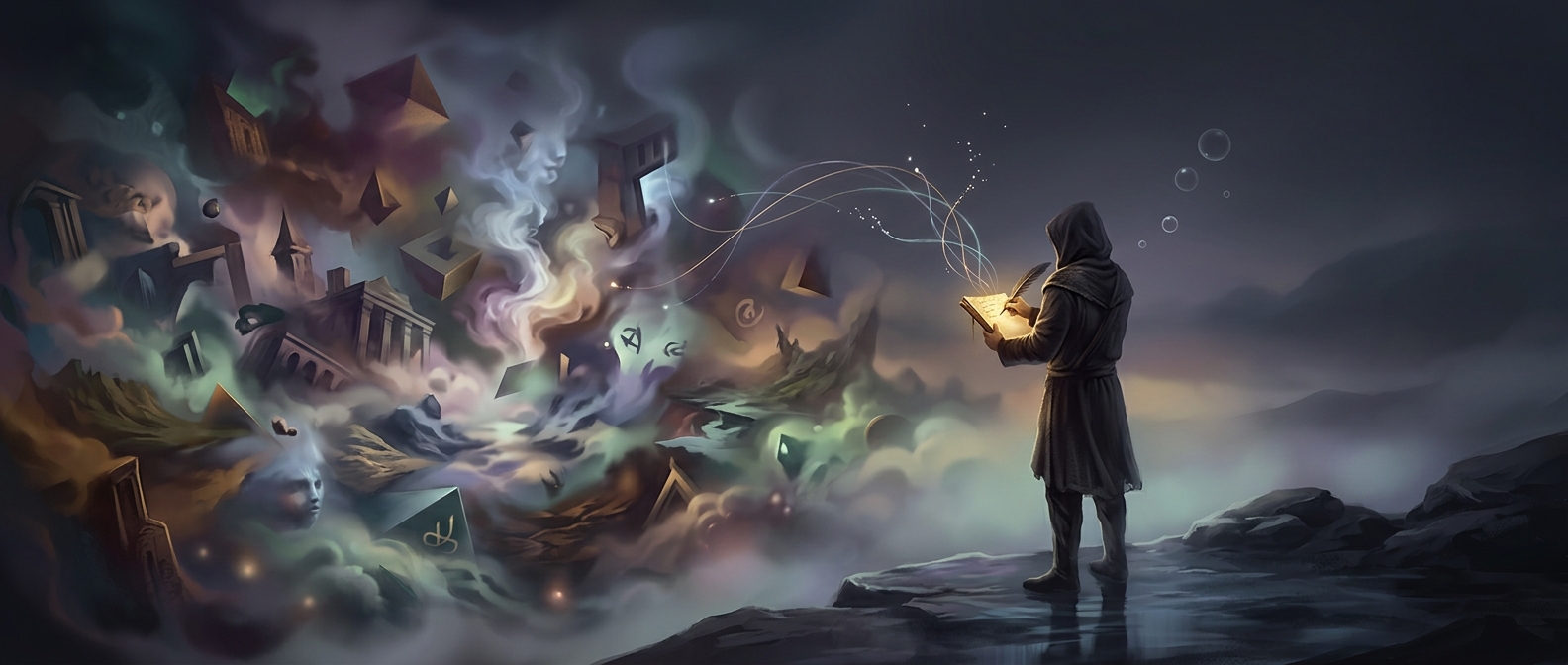
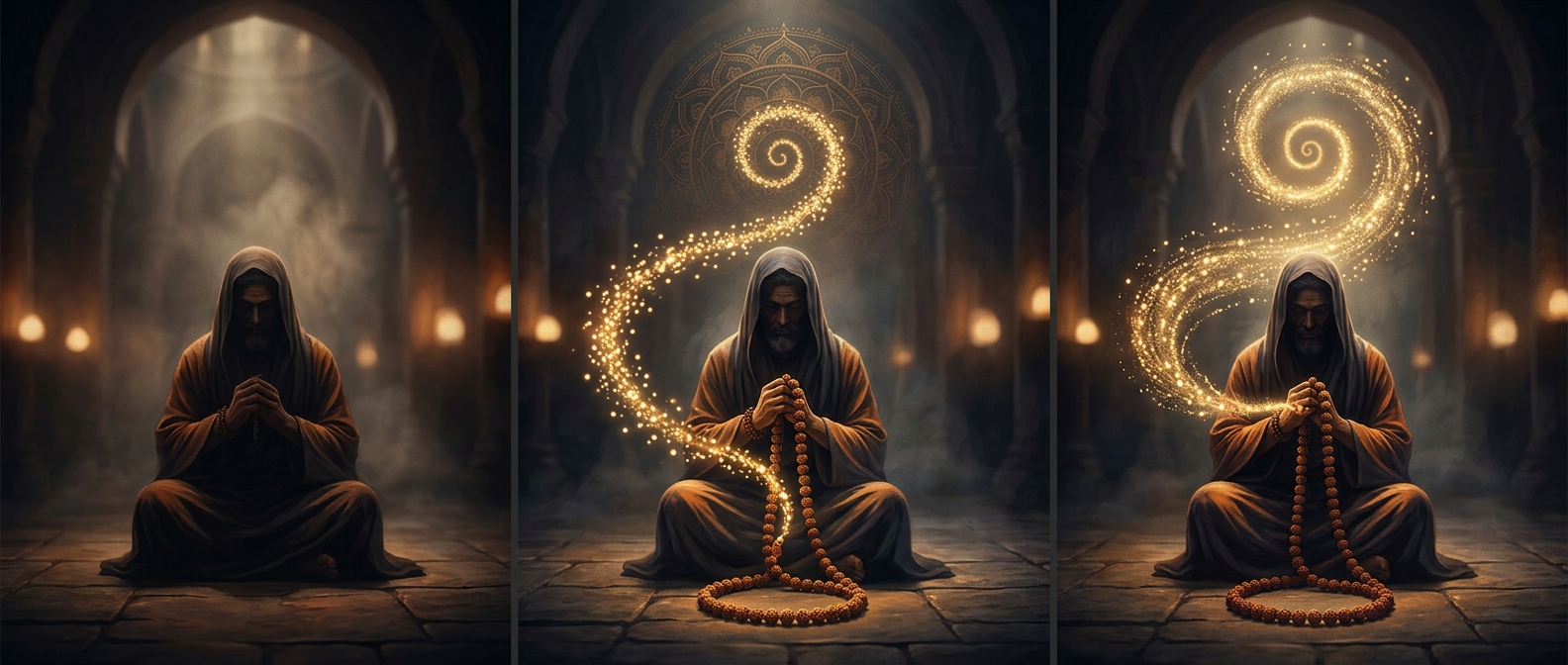
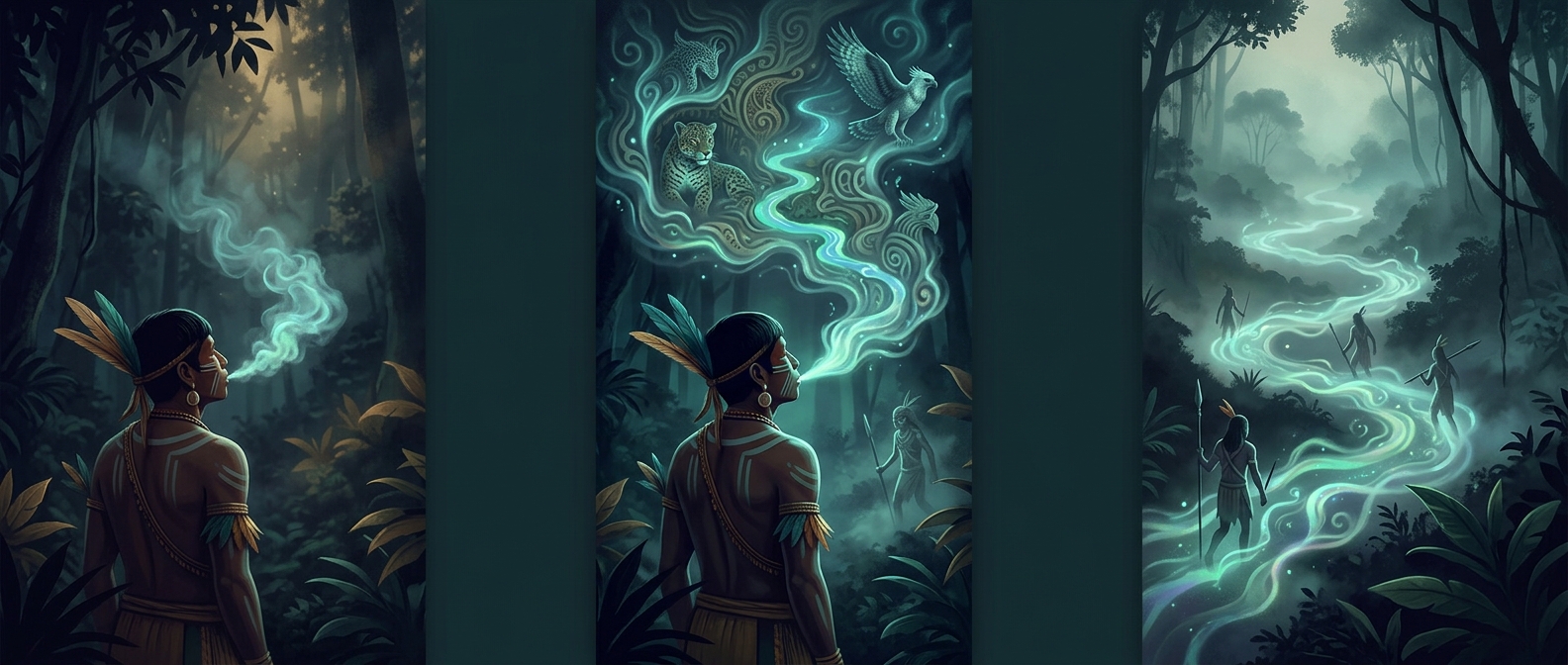
In some Amazonian traditions, inhaling smoke in a sacred setting was understood as a way to enter a state in which ancestors could appear in dreams or visions. The important point was not simply that the experience felt extraordinary: its value lay in what people believed it could tell them about the living world.
A dream described as a “map” need not mean a drawn chart. It could be guidance about where to look or how to travel, expressed through a dream’s images and story. The account does not specify the substance or a particular people, so the ritual’s details should not be treated as universal across Amazonian communities.
Ancestral Knowledge With Practical Stakes
Treating a vision as advice from ancestors gave it a place in decisions beyond the ritual itself. A hunter could understand a dream as carrying knowledge from people who knew the land and its patterns; the dream’s meaning was therefore something to interpret, not merely a private symbol.
That interpretation joined spiritual relationships to everyday work. The striking idea is that a vision could be regarded as usable knowledge—a way of finding direction in the forest as well as a way of remaining connected to the dead.