How a Kids’ Movie Can Tell Two Jokes at Once
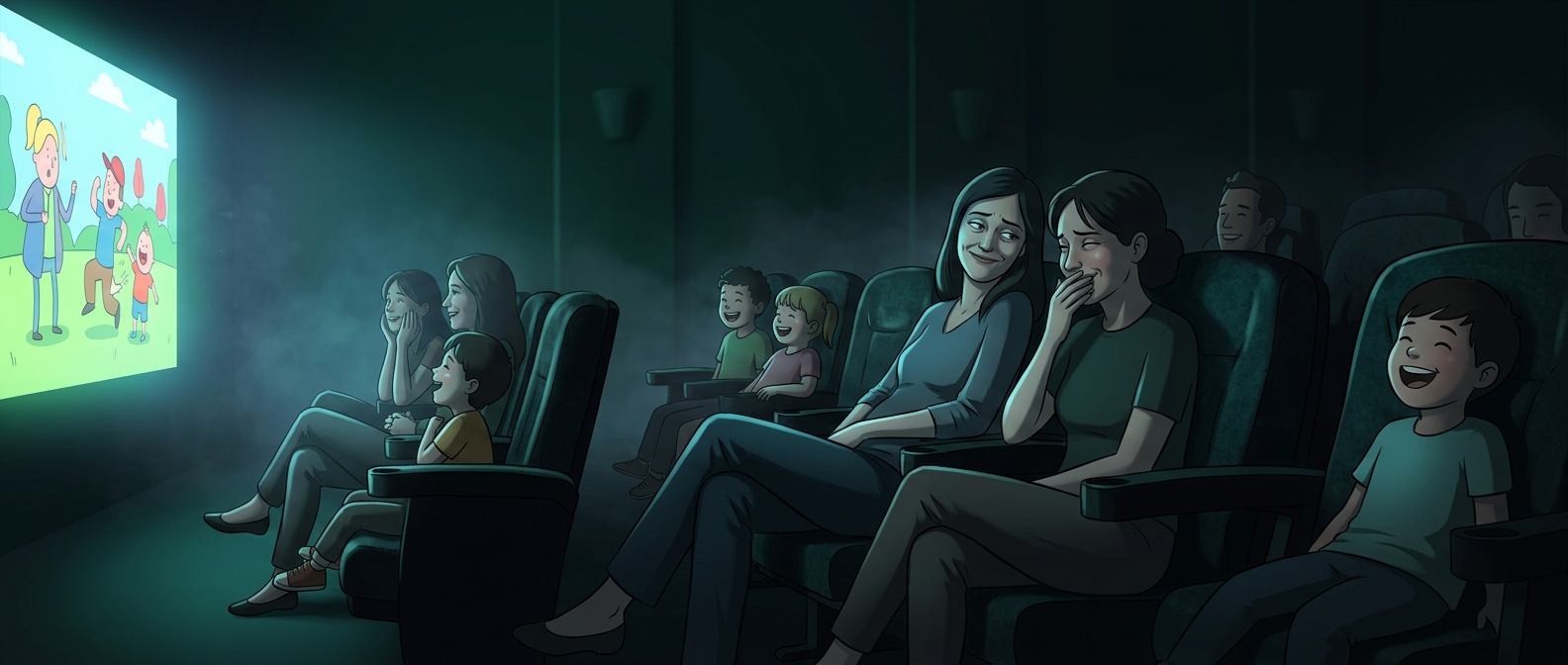
A joke in a family film can work on two levels without splitting the story in two. The line still makes sense to a child in its immediate scene, while a pun, bit of wordplay, or familiar cultural reference gives an adult a second interpretation. The key is that the extra meaning is optional: missing it should not make the plot confusing.
That distinction lets filmmakers add wit for older viewers without asking children to understand every reference. A child may hear a character’s odd phrase as silly; a parent may recognize the double meaning. Both reactions fit the same moment.
Why the Best References Stay in the Background
These jokes have to compete with the main job of a scene: showing what a character wants, what goes wrong, or what happens next. If a reference is too obscure or draws too much attention to itself, it can interrupt the story. If it is too explicit, it may feel out of place in a film designed for a broad audience.
So the humor often lives in small choices—a brief line, a name, or a visual detail—rather than a separate adult-only scene. The reference rewards recognition, but the scene remains understandable without it. That balance also helps the joke survive different ages and experiences: one viewer catches it immediately, another may notice it years later.
Repeat Viewings Change What the Audience Sees
Children often revisit favorite movies, and adults may watch alongside them each time. Familiarity makes the main plot less demanding, leaving more room to notice background details and hear a line differently. A hidden joke can make a repeat viewing feel like a new discovery without changing the movie at all.
That extra layer is not just a wink to parents. It gives a family film more than one route to enjoyment, while keeping the child’s story at the center.