How air makes lung tissue buoyant
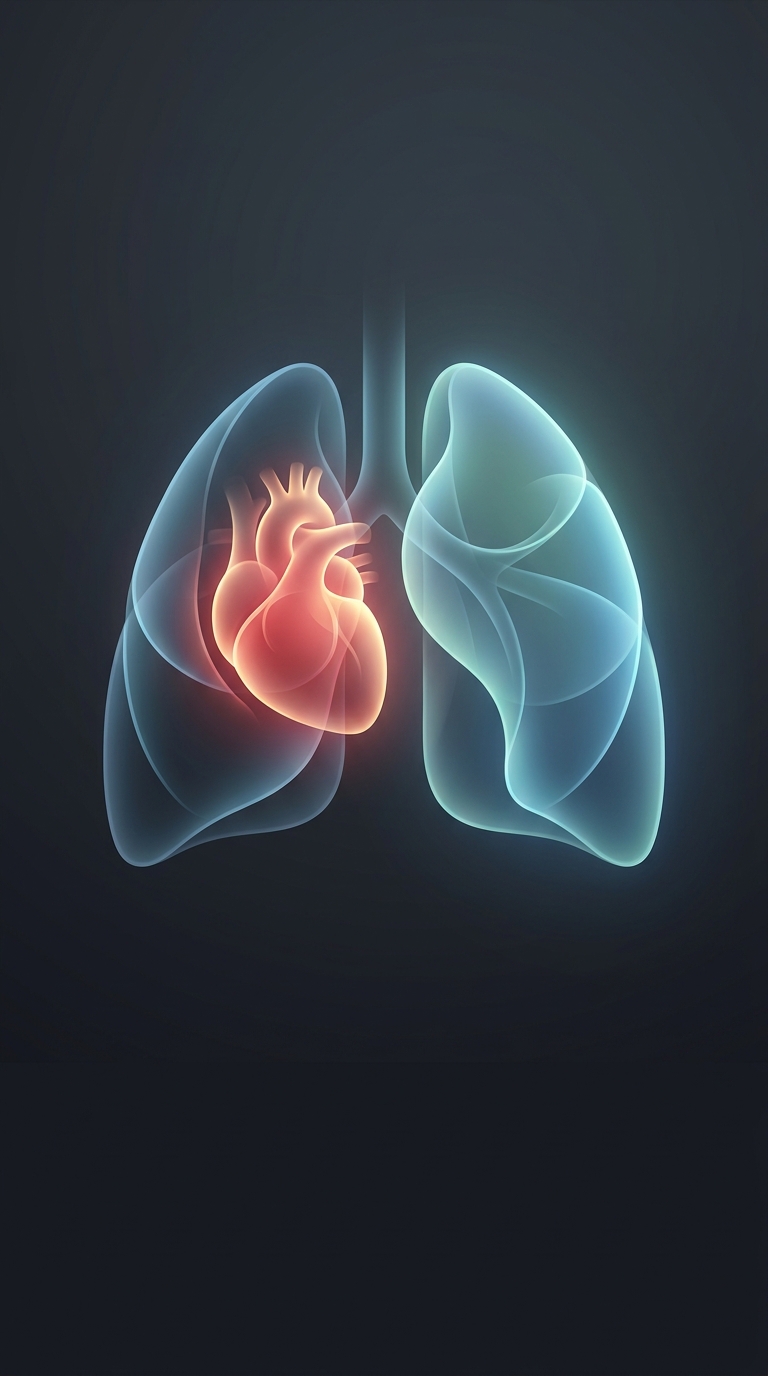
Lungs are not solid sponges. Their airways branch into millions of microscopic sacs called alveoli, where oxygen passes into the blood and carbon dioxide passes out. The sacs and the small airways leading to them contain gas, giving the lungs a much lower average density than water.
When a lung is submerged, that trapped gas displaces water without adding much weight. The result is an upward buoyant force: the same basic effect that helps an air-filled ball float. The lung’s tissue itself is heavier than water, but the air spaces can make the organ as a whole buoyant.
Why the air stays inside
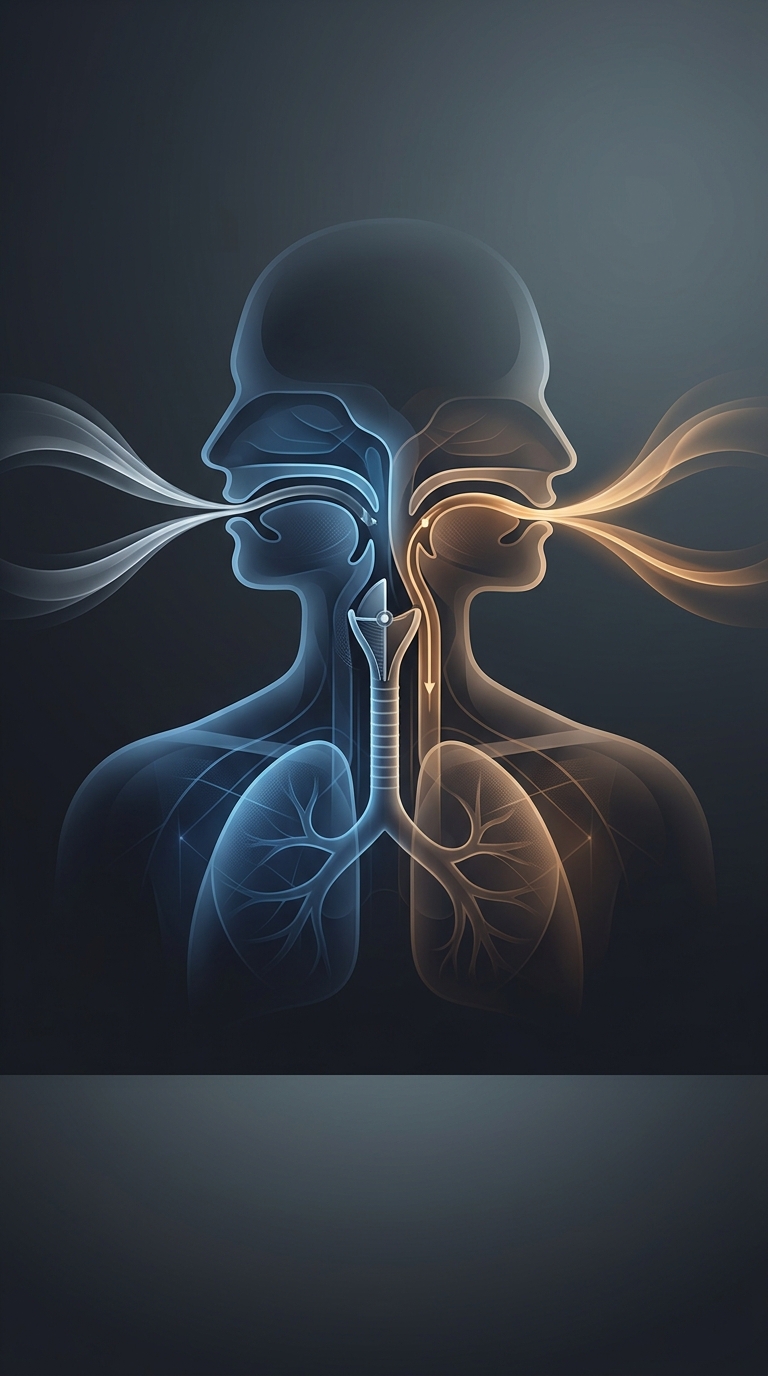
Alveoli are tiny, flexible spaces connected to a branching airway. They are not individually sealed bubbles, but air can remain distributed through this network when breathing stops. A slippery lining helps keep the sacs from collapsing completely, while the lungs’ elastic tissue tends to recoil inward. Together, these features allow some air to remain in the lungs rather than leaving all at once.
After death, lungs may therefore float if enough air remains in them. The result is not guaranteed: how much air is present, whether the lungs are damaged, and how they are handled can all affect buoyancy. But the key is simple: lungs float because air-filled spaces reduce their overall density, not because lung tissue is naturally lighter than water.