Why Siwa’s buildings are made from earth and salt
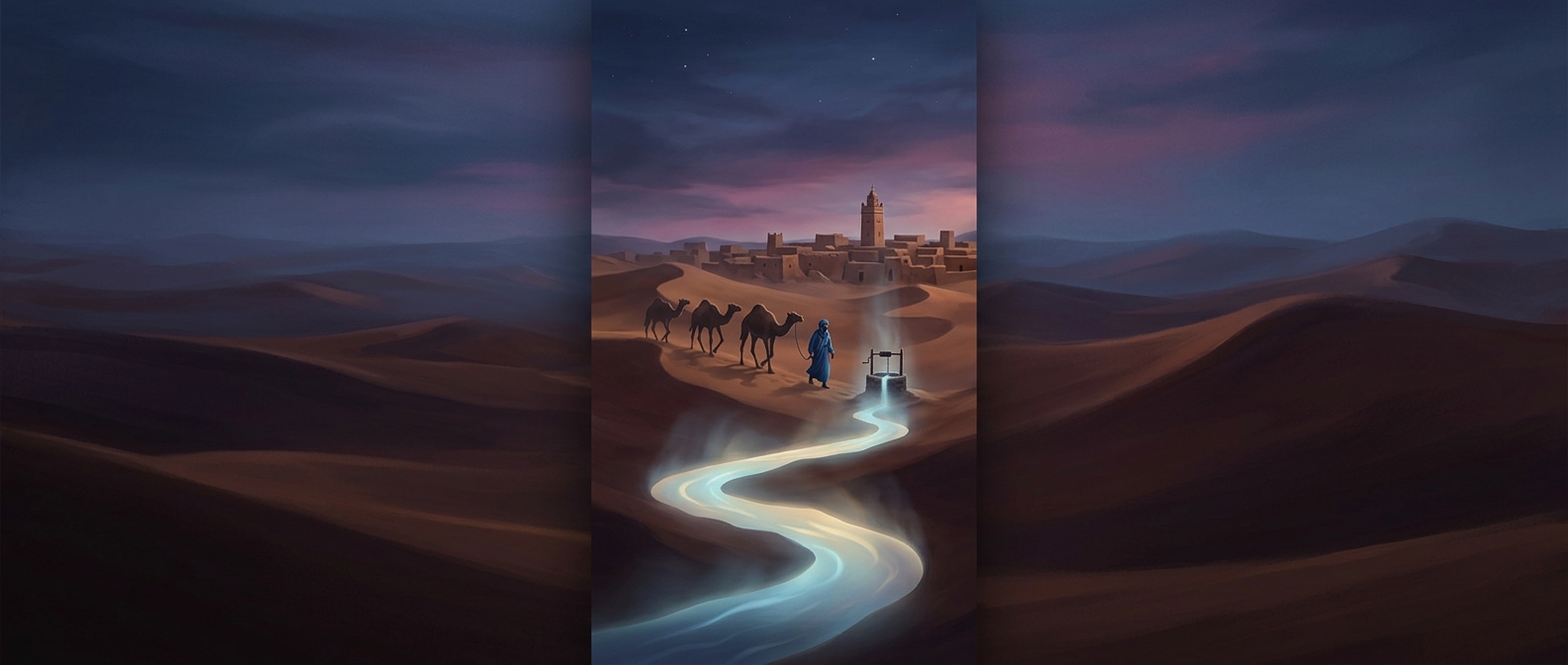
Siwa sits in Egypt’s Western Desert, where groundwater makes it possible to grow date palms and olives far from the Nile. That water also leaves salt behind as it evaporates. Local builders used kershef, a building material made from salt-rich earth and mud, to shape thick walls that buffer the sharp heat outside. The walls do not make a room cool by themselves, but their mass slows how quickly daytime heat reaches the interior; shade, ventilation, and cooler nights do the rest.
Salt has a weakness: it can dissolve when exposed to rain or persistent moisture. In Siwa’s dry climate, that risk is limited, but kershef buildings still need care. Their practical appeal comes from using nearby materials rather than hauling in conventional construction supplies across the desert.
What makes the salt pools so buoyant
Water in Siwa’s salt lakes becomes exceptionally concentrated as evaporation removes water while leaving dissolved minerals behind. Dense, salty water pushes upward more strongly on a body than ordinary fresh water does, making it easier to float. Some pools can be more buoyant than the Dead Sea, though salinity varies from lake to lake and from season to season.
That concentration has a less gentle side: salt can sting cuts and irritated skin. It is sensible to avoid swallowing the water and to rinse off afterward. The striking turquoise color comes from the water’s minerals and the way light interacts with them, not from a tropical reef.
Isolation has a history as well as a cost
Siwa’s distance from Egypt’s major population centers helped preserve a distinct local culture, but it also makes supplies and infrastructure harder to bring in. An ecolodge with limited electricity turns that remoteness into a daily practical condition: guests may depend on candles, plan around available power, and adapt to heat rather than expect air conditioning on demand. Nearby, the Temple of the Oracle is associated with Alexander the Great’s visit to Siwa in 331 BCE, linking the oasis’s present-day sense of distance to a place that once drew one of the ancient world’s most powerful rulers across the desert.